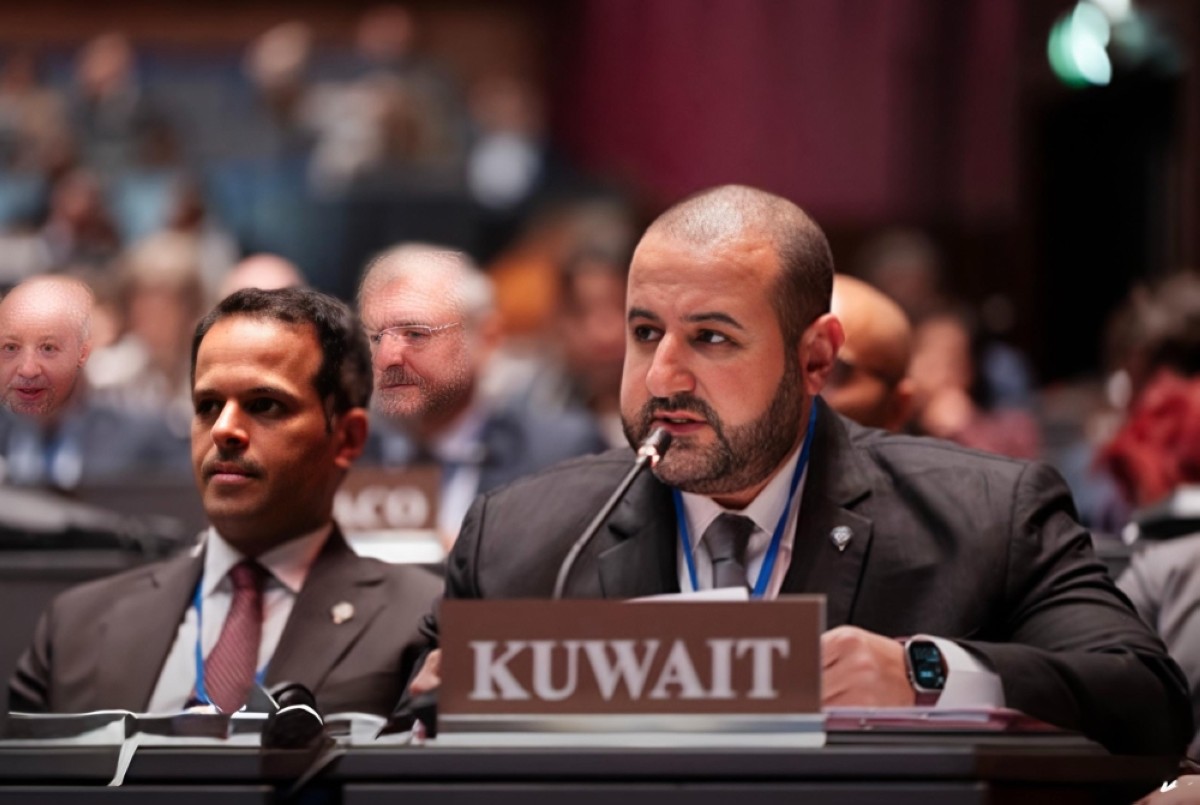

Kuwait has reaffirmed its strong commitment to the global effort to eliminate chemical weapons, emphasizing the importance of international cooperation and accountability. This commitment was highlighted by Sheikh Dr Abdullah Meshaal Al-Sabah, Undersecretary of the Ministry of Defense and Chairman of the National Committee for the Prohibition of Chemical Weapons, during the 30th session of the Conference of the States Parties to the Chemical Weapons Convention (CSP-30) held in The Hague from November 24-28. Kuwait’s dedication to the Chemical Weapons Convention (CWC) underscores its vision for a safer and more secure Middle East and world.
Kuwait Reaffirms Support for the Chemical Weapons Convention
Sheikh Abdullah Al-Sabah, leading the Kuwaiti delegation, delivered a powerful address stressing the necessity of strict adherence to the verification mechanisms outlined in the CWC. These mechanisms are crucial for ensuring that states are complying with their obligations under the treaty, and for detecting and addressing any potential breaches. He also made it unequivocally clear that any violations of the convention by State Parties must be met with appropriate accountability measures.
This strong stance reflects Kuwait’s long-held belief in the importance of multilateralism and international law when dealing with threats to global security. The nation views the CWC as a cornerstone of global disarmament efforts. Moreover, Kuwait is investing in strengthening its own capabilities to contribute to the Convention’s goals.
Investing in Research & Verification Capabilities
Kuwait isn’t just verbally supporting the CWC; it’s demonstrating its commitment through concrete action. Sheikh Abdullah announced plans to establish new scientific teams dedicated to bolstering the organization’s research and verification capacity. This initiative aims to enhance Kuwait’s ability to accurately identify and analyze chemical weapons and related materials as part of the broader international framework.
Additionally, Kuwait expressed its support for the creation of a specialized scientific laboratory within its borders. This laboratory would serve as a regional hub for expertise and contribute significantly to the CWC’s verification process in the Middle East and beyond – a crucial step considering reported use of chemical weapons in regional conflicts. These steps demonstrate a proactive approach to fulfilling obligations under the global security framework.
Advocating for Palestinian Rights and Condemning Chemical Weapon Use
Beyond the technicalities of the CWC, Sheikh Abdullah Al-Sabah used the platform to reiterate Kuwait’s unwavering solidarity with the Palestinian people. He strongly condemned the use of prohibited chemical substances against civilians anywhere in the world, but particularly highlighted the concerns regarding ongoing conflict.
Kuwait firmly believes that military operations targeting Palestinian civilians constitute blatant violations of international humanitarian law. This position underscores the country’s dedication to upholding human rights and pursuing justice for vulnerable populations. The Kuwaiti delegation believes addressing the situation in Palestine is vital for regional stability and promoting a world free from the threat of chemical warfare, connecting humanitarian law with the principles of the CWC.
Strengthening International Cooperation on Chemical Weapons Elimination
Sheikh Abdullah Al-Sabah emphasized that eliminating chemical weapons is a collective responsibility that requires enhanced international cooperation. He called for continued constructive dialogue among member states to safeguard global peace and security, noting the challenges of a rapidly evolving geopolitical landscape.
He stated that open communication and collaborative initiatives are essential for addressing emerging threats and improving the effectiveness of the CWC. This sentiment was echoed throughout the CSP-30 conference, where representatives from around the world gathered to discuss progress and challenges in the field of chemical weapons disarmament and non-proliferation.
Furthermore, on the sidelines of the main conference, Sheikh Abdullah and his delegation engaged in a series of productive bilateral meetings. These talks, held with heads of delegations and international officials, focused on identifying opportunities for technical and legislative cooperation in the implementation of the Chemical Weapons Convention (CWC).
Expanding Collaboration Networks
The bilateral meetings were a valuable opportunity to explore specific areas of collaboration, such as sharing best practices in national implementation, improving analytical capabilities, and enhancing the effectiveness of verification procedures. Participants included representatives from nations with significant experience in chemical weapons disarmament, as well as those seeking to strengthen their own national frameworks.
Kuwait’s delegation included Ibrahim Al-Duai, the Chargé d’Affaires ad interim at the Kuwaiti Embassy in the Netherlands, alongside representatives from both the Ministries of Foreign Affairs and Defense. This inter-ministerial representation reflects the importance Kuwait places on a whole-of-government approach to chemical weapons issues.
In conclusion, Kuwait’s participation in the CSP-30, led by Sheikh Dr Abdullah Meshaal Al-Sabah, showcased the nation’s unwavering dedication to the Chemical Weapons Convention (CWC) and its broader vision for a world free from the scourge of chemical weapons. Through its commitment to verification mechanisms, its support for regional stability, and its willingness to invest in scientific expertise, Kuwait is playing a vital role in upholding global security. The emphasis on cooperation and accountability sets a positive tone for future efforts in this critical area. Readers are encouraged to learn more about the CWC and its implementation through the Organisation for the Prohibition of Chemical Weapons (OPCW) website.