
Kuwait and other Gulf nations are closely monitoring escalating tensions in Yemen, particularly concerning the potential for fragmentation and a further undermining of the country’s already fragile security. Recent military advances by Saudi-backed forces against the Southern Transitional Council (STC) in key southern provinces have triggered widespread concern, prompting calls for dialogue to preserve Yemen’s unity and avert a wider conflict. The situation highlights the complex interplay of regional interests and the ongoing struggle for power in a nation ravaged by years of civil war.
Growing Concerns Over Yemen’s Stability
The Kuwaiti Ministry of Foreign Affairs expressed its deep concern on Saturday regarding the latest political and military developments in Yemen. Specifically, the ministry highlighted the threat these events pose to the unity of the Yemeni people and the disruption of security and stability within the nation. This statement reflects a broader anxiety amongst Gulf states, who have long sought a peaceful and unified Yemen as a vital buffer in the region.
Kuwait’s statement didn’t exist in a vacuum. It followed a period of escalating clashes between forces loyal to the internationally recognized government and the STC, a separatist group seeking independence for Southern Yemen. This internal conflict further complicates the already devastating civil war between the government – backed by a Saudi-led coalition – and the Iran-backed Houthi rebels who control much of the north.
Saudi Arabia’s Push for Dialogue & Recent Advances
Saudi Arabia has taken a leading role in attempting to de-escalate the situation, calling for a comprehensive conference in Riyadh to bring together all southern factions. This initiative aims to address the underlying grievances driving the separatist movement and find “just solutions to the southern cause,” as stated by the Saudi foreign ministry. The invitation for these talks came from the Yemeni government itself, signaling a willingness, albeit pressured, to engage with the STC.
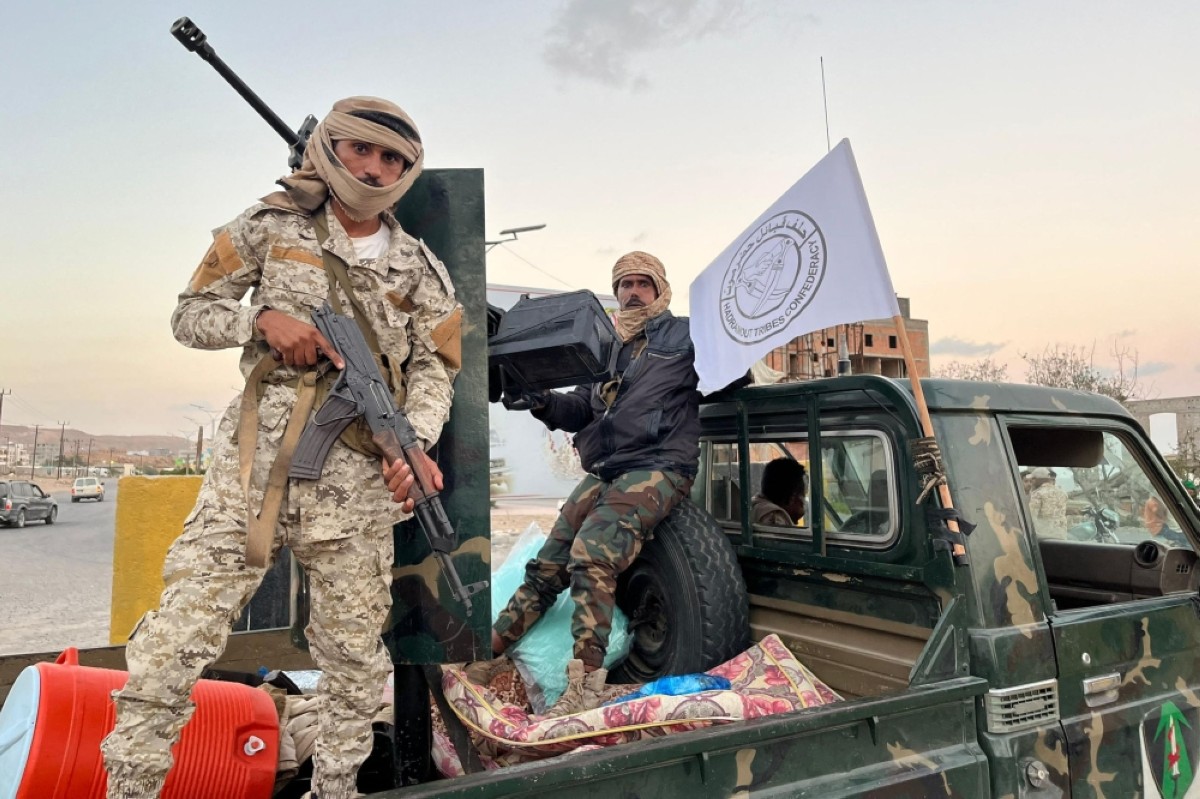
Meanwhile, on the ground, Saudi-backed troops have been making significant gains, particularly in Hadramawt province. Military officials announced the securing of “all military and civilian facilities” in Mukalla, the provincial capital, demonstrating a marked shift in momentum. These advances weren’t limited to Hadramawt, with reports indicating that forces in neighboring Mahra province had also switched allegiance from the STC to the Saudi-aligned government. This shift reportedly occured without resistance, and was evidenced by the replacement of separatist flags with the national Yemeni flag.
The Role of the UAE and Other Gulf States
Kuwait isn’t alone in urging calm and negotiation. The United Arab Emirates swiftly followed suit, urging all Yemeni parties to “halt escalation and resolve differences through dialogue.” Similar sentiments were expressed by Qatar and Bahrain, further reinforcing the Gulf consensus on the need for a peaceful resolution. Egypt’s foreign ministry also voiced its support for Yemen’s territorial integrity and the importance of dialogue.
This unified front from key regional players underscores the severity of the situation and the desire for a stable Yemen that doesn’t exacerbate existing regional rivalries. The potential for a fractured Yemen raises concerns about increased instability, the proliferation of weapons, and a potential breeding ground for extremist groups.
STC’s Separatist Agenda & Continued Clashes
The STC, however, remains committed to its goal of independence. The group recently announced a two-year transitional period towards declaring an independent state in South Yemen, outlining a plan that includes dialogue with the north and a potential referendum on secession. However, they conditionally stated they would declare independence “immediately” if attacked again.
This declaration has deepened the rift between the STC and the Saudi-backed government, who view the separatist move as a direct threat to Yemeni sovereignty. Clashes have become increasingly intense, with both sides accusing each other of escalating the conflict. Reports from the ground describe air strikes, shelling, and intense firefights, particularly in Hadramawt and Seiyun.
Saudi-led coalition air strikes have targeted STC positions, resulting in casualties on both sides. Specifically, strikes on the Al-Khasha and Barshid military camps left at least 20 dead among separatist forces, according to STC reports. Residents in Mukalla have described a security breakdown and incidents of looting, while pro-government forces continue to consolidate their control over key infrastructure, including airports. Evidence from Aden Independent Channel shows footage of a direct hit on STC forces, resulting in a massive explosion.
A Decade of Conflict: A Complex Situation
The current crisis is just the latest chapter in Yemen’s decade-long civil war. What began as a struggle between the Houthi rebels and the government has evolved into a complex proxy war between regional powers, namely Saudi Arabia, the UAE, and Iran. While the Saudi-led coalition initially intervened to dislodge the Houthis, internal divisions between Saudi Arabia and the UAE have created opportunities for factions like the STC to gain power and pursue their own agendas.
The fallout from the conflict is catastrophic. Yemen is facing one of the world’s worst humanitarian crises, with millions on the brink of starvation. The ongoing violence and political instability have crippled the country’s economy and infrastructure, leaving a generation of Yemenis traumatized and vulnerable.
In conclusion, the situation in Yemen is deeply precarious. While the recent advances by Saudi-backed forces may temporarily shift the balance of power, a lasting solution requires genuine dialogue and a commitment to preserving the country’s unity. The concerted efforts by Kuwait, Saudi Arabia, the UAE, and other Gulf states to encourage such dialogue represent a critical step towards achieving stability, but the STC’s unwavering pursuit of independence and the complex regional dynamics pose significant challenges. The future of Yemen hinges on the ability of all parties to prioritize the needs of the Yemeni people and forge a path towards a peaceful and unified future, preventing further humanitarian disaster and reinforcing regional security.