


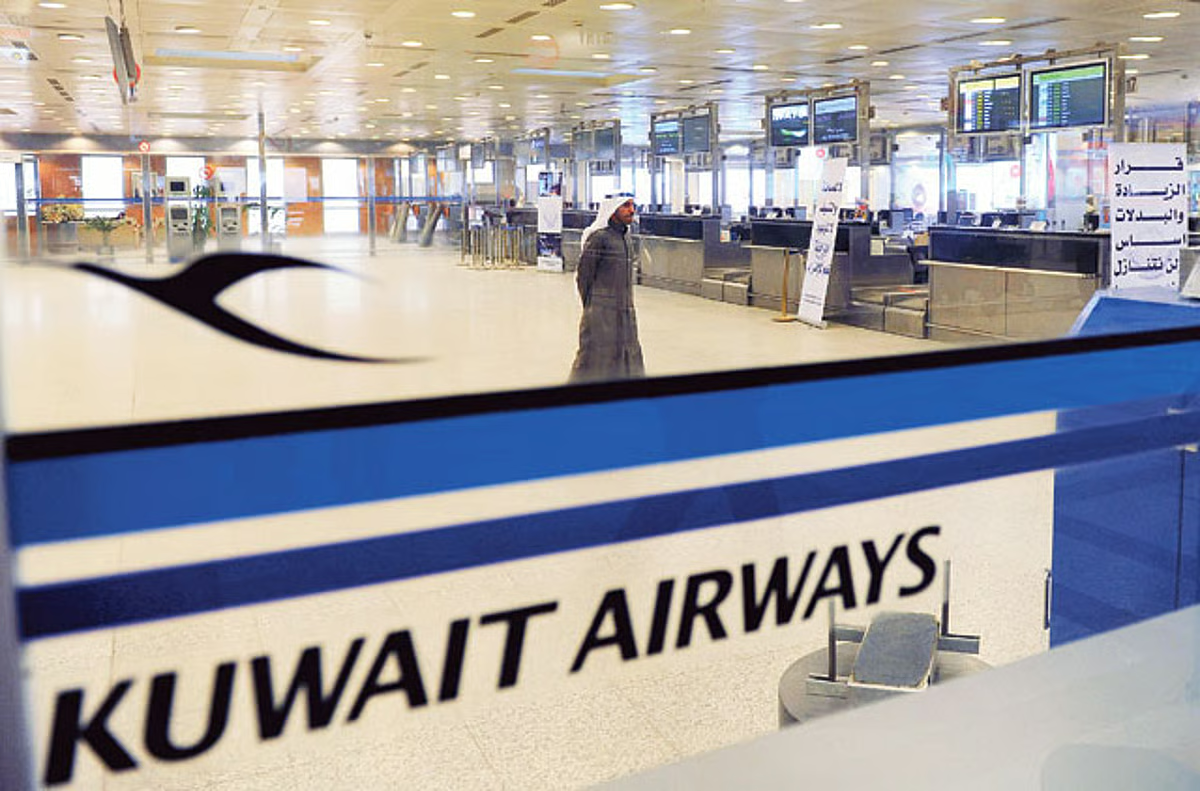

Kuwait Airways announced plans to significantly expand its route network with the addition of 11 new destinations for the summer 2026 travel season. The airline will begin serving Alexandria, Zurich, Mykonos, Malaga, Sharm El Sheikh, Salalah, Antalya, Trabzon, Sarajevo, Vienna, and Bodrum, aiming to capitalize on increased passenger traffic during peak months. This expansion represents a substantial investment in the airline’s future growth and its commitment to providing more travel options for its customers, particularly focusing on leisure destinations and European hubs.
The new routes are scheduled to launch in time for the summer 2026 peak season, with specific start dates for each destination yet to be revealed. Kuwait Airways, the national carrier of Kuwait, currently serves destinations across the Middle East, Europe, Asia, and North America. This latest move signals a strategic shift towards bolstering its presence in the tourism and leisure travel markets.
Expanding Kuwait Airways Network: A Summer 2026 Focus
The decision to add these 11 destinations comes as the travel industry continues its recovery from the impacts of the COVID-19 pandemic. According to data from the Airports Council International, passenger numbers globally have been steadily increasing, with leisure travel leading the charge. Kuwait Airways is positioning itself to benefit from this trend, offering direct flights to popular vacation spots and key European cities.
Several of the new destinations cater specifically to the growing demand for Mediterranean and coastal holidays. Mykonos and Bodrum, both renowned for their beaches and nightlife, are expected to attract a significant number of tourists. Similarly, Malaga and Antalya offer appealing options for sun-seekers and those interested in exploring the cultural heritage of southern Europe and Turkey, respectively.
Strategic Route Choices
The inclusion of cities like Zurich and Vienna demonstrates Kuwait Airways’ intent to strengthen its connections to major European business and transit hubs. These cities provide onward connections to a wider range of destinations within Europe and beyond. The airline likely assessed passenger demand and potential for code-sharing agreements with other carriers when selecting these locations.
Destinations like Sharm El Sheikh, Salalah, and Trabzon represent a diversification of Kuwait Airways’ offerings, tapping into emerging tourism markets. Sharm El Sheikh is a popular Red Sea resort, while Salalah in Oman is known for its unique khareef (monsoon) season and lush landscapes. Trabzon, on the Black Sea coast of Turkey, is gaining recognition for its historical sites and natural beauty.
The addition of Sarajevo, the capital of Bosnia and Herzegovina, suggests a focus on expanding connections within the Balkans. This route could cater to both leisure travelers and the diaspora community. The airline’s network expansion is also likely influenced by broader economic and political factors within the region.
The airline has not yet disclosed details regarding the aircraft types that will be deployed on these new routes, or the frequency of flights. However, industry analysts anticipate a mix of the airline’s existing Airbus and Boeing fleet will be utilized. The capacity offered on each route will likely be adjusted based on demand and seasonal fluctuations.
This expansion is expected to have a positive impact on Kuwait’s tourism sector. Increased connectivity will likely attract more visitors to Kuwait, potentially boosting the local economy. Additionally, the new routes will provide Kuwaiti travelers with more convenient access to a wider range of destinations.
Competition in the region is fierce, with several airlines vying for market share on similar routes. Emirates, Qatar Airways, and Turkish Airlines are all major players in the Middle East aviation market. Kuwait Airways will need to offer competitive pricing and high-quality service to succeed in this environment. The success of these new routes will depend on effective marketing and operational efficiency.
The airline’s announcement follows a period of modernization and fleet renewal. Kuwait Airways has been investing in new aircraft and upgrading its in-flight services to enhance the passenger experience. This commitment to improvement is seen as a key factor in its ability to attract customers and compete effectively. The airline is also focused on improving its digital platforms and streamlining its booking processes.
The introduction of these new destinations is a significant undertaking that requires careful planning and coordination. Kuwait Airways will need to secure the necessary regulatory approvals, negotiate airport slots, and train staff to support the expanded network. The airline is working closely with relevant authorities to ensure a smooth launch of the new routes.
Looking ahead, Kuwait Airways will likely focus on finalizing the launch schedules for each of the 11 new destinations. The airline is expected to announce specific start dates and flight frequencies in the coming months. Monitoring the performance of these routes and adapting to changing market conditions will be crucial for long-term success. Further network adjustments and potential additions beyond 2026 remain uncertain and will depend on market analysis and overall strategic goals.
The airline’s long-term strategy appears to be centered on becoming a leading regional carrier, offering a comprehensive network and a superior travel experience. This expansion of Kuwait Airways routes is a key step in achieving that vision. The impact on regional air travel and tourism will be closely watched by industry observers. The addition of these routes also reflects a broader trend of airlines diversifying their offerings to cater to evolving passenger preferences and capitalize on emerging travel opportunities. The airline’s performance in the leisure travel sector and its ability to compete with established players will be critical factors in its future growth.
Related secondary keywords include: airline expansion, travel destinations, and aviation industry.