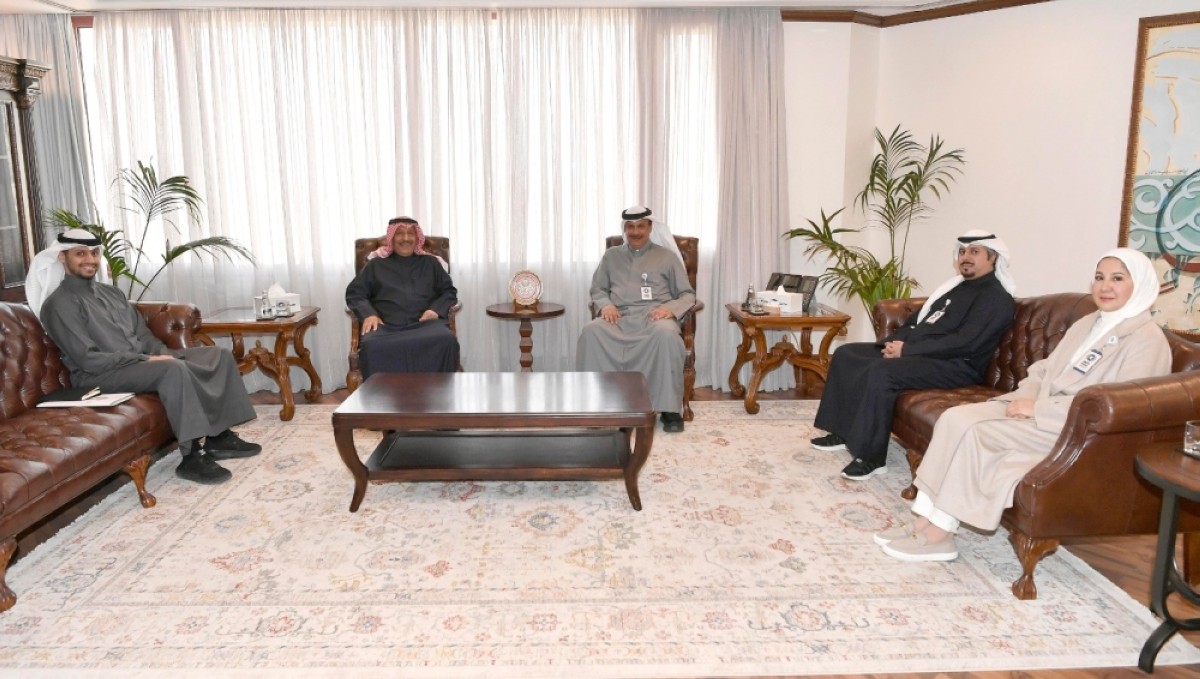

Kuwait is consistently recognized for its significant contributions to global humanitarian efforts, and a recent meeting between key leaders signals a strengthened commitment to amplifying these initiatives. Mohammad Al-Mannai, Acting Director General of the Kuwait News Agency (KUNA), and Khaled Al-Mughamis, Chairman of the Kuwait Red Crescent Society (KRCS), convened to discuss enhanced collaboration, focusing on leveraging media to showcase Kuwait’s dedication to humanitarian aid. This partnership aims to further solidify Kuwait’s position as a leading force in international relief and development.
Strengthening Media Collaboration for Kuwait’s Humanitarian Outreach
The meeting underscored a shared understanding of the powerful role media plays in conveying critical humanitarian messages and mobilizing support for those in need. Al-Mannai emphasized KUNA’s unwavering support for charitable organizations, particularly the KRCS, and pledged professional, responsible media coverage of their vital work. He specifically lauded the Red Crescent’s pioneering efforts, not only within Kuwait but also across the regional and international landscape.
This commitment from KUNA is crucial. Effective communication is paramount in raising awareness about global crises and inspiring action. By providing comprehensive and accurate reporting, KUNA can help connect Kuwait’s generosity with those who benefit most.
KUNA’s Role in Responsible Reporting
KUNA’s dedication extends beyond simply reporting on events. Al-Mannai stressed the importance of responsible media coverage, ensuring that stories are presented with sensitivity and accuracy. This includes highlighting the impact of aid, showcasing the resilience of communities, and avoiding sensationalism. This approach builds trust with the public and encourages continued support for humanitarian aid initiatives.
Meanwhile, Al-Mughamis echoed the sentiment, highlighting media as a key partner in effectively communicating the scope and impact of relief efforts. He emphasized the need for developing robust media cooperation mechanisms to achieve shared humanitarian objectives.
Developing Effective Partnerships for Greater Impact
The discussion centered on the potential for a more integrated approach, involving the exchange of expertise and closer collaboration between state entities. Al-Mughamis proposed that this collaborative model represents a benchmark for distinguished institutional humanitarian work. This isn’t simply about two organizations working together; it’s about creating a cohesive national strategy for delivering and communicating aid.
This integrated approach is particularly important in today’s complex global environment. Challenges like climate change, conflict, and economic instability are driving an increasing need for coordinated humanitarian responses. A unified front, supported by effective communication, can maximize the impact of Kuwait’s contributions.
The Importance of Expertise Exchange and Integrated Efforts
The leaders discussed specific ways to facilitate the exchange of knowledge and resources. This could include joint training programs for journalists and aid workers, collaborative content creation, and the development of shared communication strategies. Furthermore, integrating efforts across different government agencies and NGOs can streamline operations and ensure that aid reaches those who need it most efficiently. This synergy will undoubtedly enhance the effectiveness of disaster relief efforts.
Additionally, the meeting attendees – Acting Editor-in-Chief Mohammad Al-Bahr and Director of the Chairman’s Office and Director General Lamia Al-Farsi – played a key role in outlining practical steps for implementing these collaborative initiatives. Their presence demonstrates a commitment to action at all levels of both organizations.
Looking Ahead: Kuwait’s Continued Leadership in Humanitarian Action
The meeting between KUNA and the KRCS represents a significant step forward in Kuwait’s ongoing commitment to global humanitarian aid. By strengthening the partnership between these two vital organizations, Kuwait is poised to further amplify its message of compassion and support for those in need.
This collaboration isn’t just about providing immediate relief; it’s about building a more sustainable future for vulnerable communities. Investing in long-term development programs, alongside emergency assistance, is crucial for addressing the root causes of suffering and promoting lasting peace and prosperity.
The focus on media collaboration will be instrumental in showcasing Kuwait’s dedication to these principles and inspiring others to join the effort. As Kuwait continues to play a leading role in international disaster relief and humanitarian assistance, its commitment to responsible and effective communication will be more important than ever. We can expect to see increased visibility of Kuwait’s impactful initiatives on the world stage, further solidifying its reputation as a champion of humanitarian values.