
Strengthening Water Security: Korea and Oman Collaborate on Sustainable Management
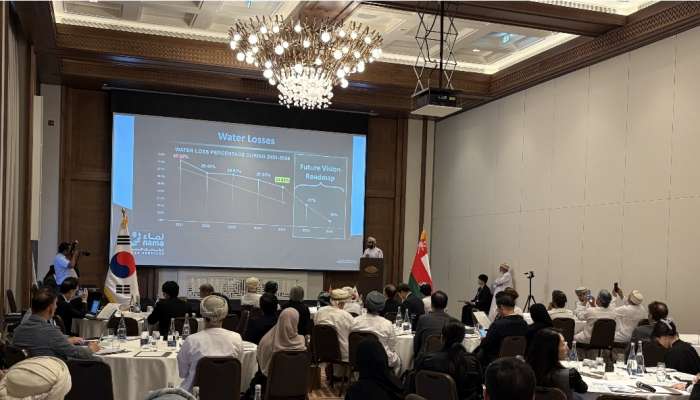
Water scarcity is a growing global concern, particularly in arid and semi-arid regions. Recognizing this challenge, the Republic of Korea and the Sultanate of Oman recently convened the Korea–Oman Joint Seminar on Sustainable Water Resources Management in Muscat on December 9, 2025. This pivotal event brought together key stakeholders from both nations to forge stronger ties and explore innovative solutions for a water-secure future. The seminar underscored a shared commitment to addressing the complex issues surrounding water sustainability in a changing climate.
A Collaborative Platform for Water Innovation
The seminar wasn’t simply a talking shop; it was a carefully structured platform for meaningful exchange. Co-hosted by the Embassy of Korea in Muscat, the Ministry of Climate, Energy and Environment of Korea, and the Ministry of Agriculture, Fisheries and Water Resources of Oman, the event was expertly organized by the Korea Water Partnership (KWP) and the Korea Trade-Investment Promotion Agency (KOTRA) Muscat Office.
This collaboration ensured robust participation from both the public and private sectors, fostering a holistic approach to water resources management. Representatives from government agencies, national water authorities, and leading industry players were all present, contributing their unique perspectives and expertise. The goal was clear: to identify opportunities for enhanced cooperation and accelerate the adoption of sustainable practices.
Key Discussion Areas
The seminar’s program was thoughtfully designed to cover critical areas within the water sector. Several key topics dominated the discussions, reflecting the most pressing needs and promising advancements.
- Non-Revenue Water (NRW) Reduction: A significant focus was placed on minimizing water loss through leaks, theft, and inaccurate metering. Both countries shared strategies for identifying and addressing NRW, recognizing its importance in maximizing available resources.
- Desalination and Wastewater Treatment: Given Oman’s reliance on desalination and the increasing need for water reuse, advancements in these technologies were extensively explored. Korean expertise in efficient and environmentally friendly desalination processes was particularly valuable.
- Smart Water Networks & Infrastructure: The potential of integrating digital technologies – like sensors, data analytics, and AI – into water infrastructure was a recurring theme. Discussions centered on how smart networks can optimize water distribution, improve leak detection, and enhance overall system resilience.
Fostering Partnerships Through B2B Meetings
Following the policy-focused seminar sessions, dedicated business-to-business (B2B) meetings were held. This provided a crucial opportunity for companies from Korea and Oman to connect directly, explore potential collaborations, and lay the groundwork for future projects.
These meetings weren’t just about immediate deals. They were about building long-term relationships based on mutual trust and shared goals. The focus was on identifying areas where Korean technology and expertise could complement Oman’s specific needs and contribute to its national water strategy. This emphasis on water technology transfer is a key element of the growing bilateral relationship.
Exploring Joint Project Opportunities
The B2B sessions revealed a strong appetite for joint ventures in several areas. Potential projects discussed included the development of advanced wastewater treatment facilities, the implementation of smart metering systems, and the construction of more efficient desalination plants. These initiatives align with Oman’s Vision 2040, which prioritizes environmental sustainability and economic diversification.
A Shared Vision for a Sustainable Future
The Korea–Oman Joint Seminar on Sustainable Water Resources Management was widely hailed as a success. It reaffirmed the strong commitment of both nations to tackling the challenges of water scarcity and ensuring long-term water security. The event highlighted the importance of international collaboration in addressing global issues, particularly in the context of climate change and increasing resource demands.
The discussions also emphasized the need for integrated water management approaches, considering the interconnectedness of water, energy, and food systems. Both sides acknowledged that a holistic perspective is essential for developing effective and sustainable solutions.
Looking Ahead: Continued Collaboration and Feasibility Studies
The momentum generated by the seminar is expected to continue in the coming months. Both Korea and Oman expressed a firm willingness to pursue follow-up activities, including detailed feasibility studies for promising joint projects.
Furthermore, there’s a commitment to ongoing technical exchange programs, allowing experts from both countries to share knowledge and best practices. Ultimately, the goal is to establish a long-term cooperation framework that will guide future collaboration in the water sector. This framework will likely encompass research and development, capacity building, and the deployment of innovative technologies. The seminar in Muscat represents a significant step towards a more water-secure future for both Korea and Oman, and serves as a model for international cooperation in addressing this critical global challenge.