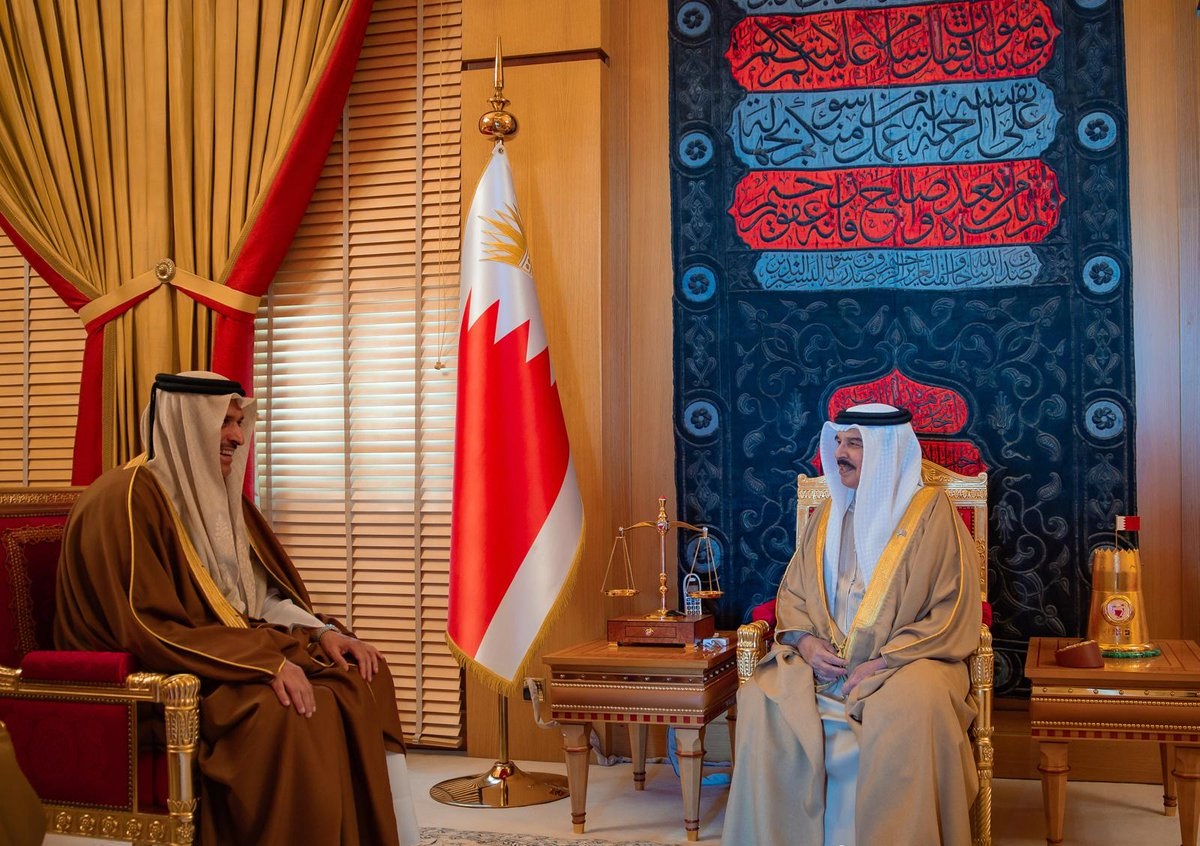

Manama, Bahrain – A new chapter in diplomatic relations between Qatar and Bahrain has begun with the formal acceptance of Nasser bin Abdullah Al Nassr as Qatar’s ambassador to Bahrain. The credential presentation ceremony, held in Manama on January 21, 2024, signifies a strengthening of ties following a period of strained relations between the two Gulf states. This development is being closely watched by regional observers as a potential indicator of broader de-escalation efforts.
King Hamad bin Isa Al Khalifa of Bahrain received Al Nassr’s credentials, officially recognizing him as the State of Qatar’s representative to the Kingdom. The ambassador conveyed greetings from the Amir of Qatar, Sheikh Tamim bin Hamad Al-Thani, to the King, expressing wishes for continued prosperity for Bahrain. The King reciprocated with greetings for the Amir and the people of Qatar.
Strengthening Qatar-Bahrain Diplomatic Ties
The appointment of an ambassador represents a significant step forward in the normalization of relations between Qatar and Bahrain. Diplomatic relations were severed in 2017 as part of a regional dispute involving Saudi Arabia, the United Arab Emirates, and Egypt, who accused Qatar of supporting terrorism – allegations Qatar consistently denied. Full diplomatic relations were restored in December 2023, paving the way for this latest development.
Background to the Rift
The 2017 blockade imposed on Qatar included the closure of airspace, land borders, and maritime routes, significantly impacting trade and travel. The dispute centered on Qatar’s foreign policy, particularly its relationships with Iran and its alleged support for certain political groups. The restoration of ties followed extensive mediation efforts, primarily led by Kuwait, and a shift in regional dynamics.
However, rebuilding trust and fully resolving underlying issues will take time. While the resumption of diplomatic relations is a positive sign, practical steps to address concerns related to security and regional stability are still needed. The appointment of an ambassador is a crucial element in facilitating these ongoing discussions.
Additionally, the move is expected to boost economic cooperation between the two nations. Prior to the dispute, Bahrain and Qatar maintained trade links and collaborative projects in various sectors, including tourism and investment. Renewed diplomatic engagement could unlock new opportunities for economic partnership and regional integration. The Zawya report indicates a potential increase in bilateral trade in the coming months.
Meanwhile, the broader geopolitical context remains complex. The ongoing conflicts in the region, including the situation in Yemen and the Israeli-Palestinian conflict, continue to influence relations between Gulf states. The success of the Qatar-Bahrain rapprochement could serve as a model for resolving other regional disputes. The restoration of diplomatic ties also aligns with broader efforts to foster stability and cooperation within the Gulf Cooperation Council (GCC).
In contrast to the previous strained relationship, the exchange of credentials signals a commitment to constructive dialogue and mutual respect. The ambassador’s role will be pivotal in representing Qatar’s interests in Bahrain and fostering closer collaboration on issues of common concern, including regional security and economic development. This appointment also reflects Qatar’s broader strategy of strengthening its regional partnerships and playing a more active role in mediating conflicts.
The next step will be the full establishment of the Qatari embassy in Manama, including the appointment of additional diplomatic staff. The timeline for this process remains uncertain, dependent on logistical arrangements and further consultations between the two governments. Observers will be watching for concrete developments in areas such as air travel resumption and the easing of trade restrictions. The long-term impact of this diplomatic thaw on regional stability and economic integration remains to be seen.
Further developments regarding bilateral relations and Gulf diplomacy are expected in the coming weeks, with a focus on implementing agreements reached during recent high-level meetings. The success of this renewed engagement will likely hinge on sustained commitment from both sides to address outstanding issues and build a foundation for lasting cooperation. The Qatar embassy’s operations will be a key indicator of progress.