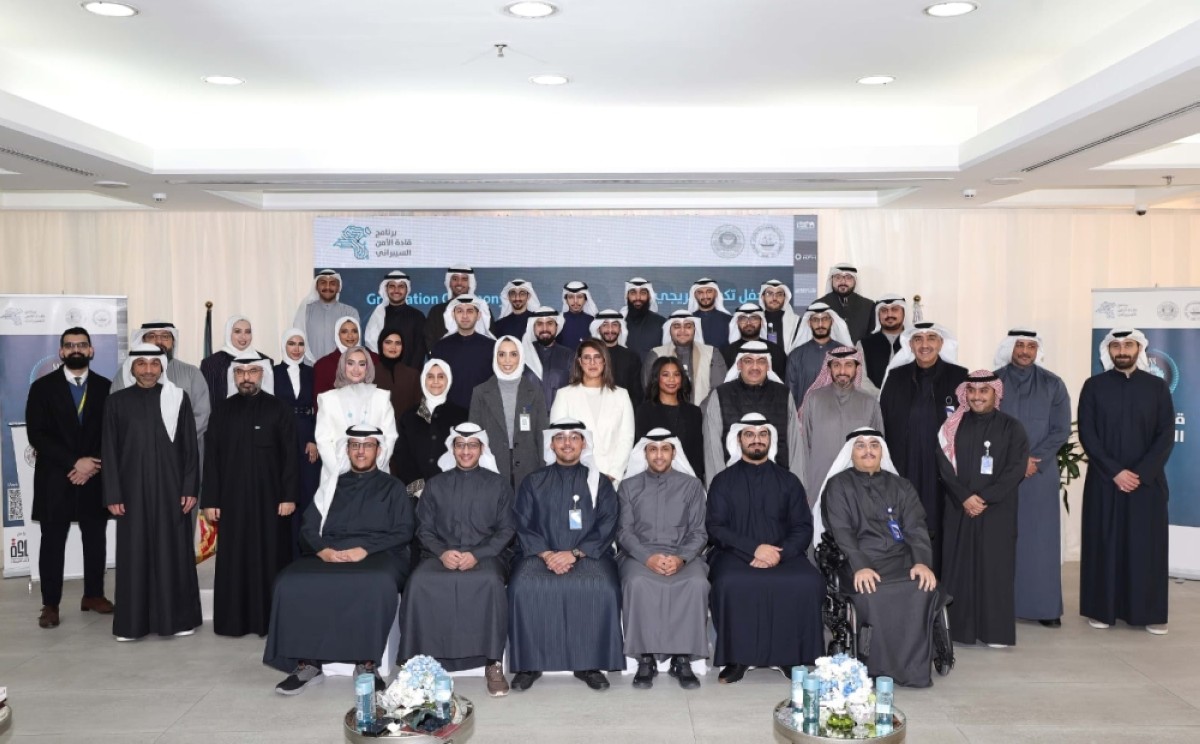

Kuwait is actively investing in bolstering its financial sector through strategic talent development programs. Under the patronage of the Governor of the Central Bank of Kuwait (CBK) and Chairman of Kuwait Institute of Banking Studies (KIBS) Basel A. Al-Haroon, a recent graduation ceremony highlighted the nation’s commitment to cybersecurity and Sharia compliance – two critical pillars of a modern, robust financial system. The event celebrated the successful completion of the fifth cohort of the Cybersecurity Leaders Program and the sixth cohort of the Certified Sharia Auditor Program, both initiatives under the CBK’s Kafa’a Initiative.
Strengthening Kuwait’s Financial Defenses: The Cybersecurity Leaders Program
The escalating threat of cyberattacks globally necessitates a proactive and skilled workforce dedicated to protecting critical infrastructure. Recognizing this, the CBK, in collaboration with Kuwaiti banks and managed by KIBS, launched the Kafa’a Initiative, with the Cybersecurity Leaders Program as a key component. This program, running from September 14 to December 18, 2025, is designed to cultivate a new generation of cybersecurity professionals capable of safeguarding Kuwait’s banking and financial sectors.
Strategic Partnership for Advanced Training
The program’s success is largely attributed to its strategic partnership with SANS Institute, a globally recognized leader in advanced cybersecurity training and certifications. This collaboration ensures participants receive cutting-edge knowledge and practical skills aligned with international best practices.
Furthermore, a specialized workshop conducted under the supervision of the Bank for International Settlements (BIS) added another layer of expertise. The BIS, a cornerstone of global financial stability, provided insights into strengthening financial sector resilience – a crucial aspect of modern cybersecurity strategy.
The program successfully graduated 30 participants, encompassing both recent graduates and experienced professionals from diverse sectors. This broad representation underscores the widespread need for enhanced cybersecurity expertise across Kuwait’s economy. The initiative directly supports the CBK’s broader strategy to develop specialized national talent in cybersecurity, ultimately strengthening the banking sector and improving institutional competencies nationwide.
Enhancing Islamic Finance Expertise: The Certified Sharia Auditor Program
Alongside cybersecurity, Kuwait is also focused on reinforcing its position as a leading hub for Islamic finance. The Certified Sharia Auditor Program addresses the growing demand for qualified professionals in this specialized field. Recognizing that robust auditing is fundamental to sound Sharia supervisory governance, the program aims to elevate the efficiency and effectiveness of Sharia auditing within Sharia-compliant financial institutions.
Meeting the Demand for Specialized Skills
The program, held from April 9 to June 18, 2025, attracted an elite group of Kuwaitis already working in, or aspiring to enter, the field of Sharia auditing. The increasing complexity of Islamic banking products and the evolving regulatory landscape necessitate continuous professional development. This program directly responds to that need, providing participants with the knowledge and skills to navigate these challenges effectively.
The program’s success is evidenced by the strong demand from previous cohorts and the consistent provision of highly qualified national talent to Islamic banking institutions. This year, 30 participants graduated, armed with a certification accredited by the CBK, the Capital Markets Authority, and Walbrook Institute London, UK – a testament to the program’s rigorous standards and international recognition. Islamic finance is a key area of growth for Kuwait, and this program is vital to its continued success.
KIBS and CBK: A Commitment to National Talent Development
Rana A Al-Nibari, KIBS Director General, extended her congratulations to the graduates, emphasizing the importance of continuous self-development in a rapidly changing world. She also expressed gratitude to the CBK and local banks for their unwavering support of KIBS’ efforts in delivering specialized education and professional development.
The Kafa’a Initiative, and programs like the Cybersecurity Leaders Program and the Certified Sharia Auditor Program, are demonstrably driving economic growth, fostering institutional excellence, and strengthening the national economy through the development of a highly skilled workforce. Graduates themselves echoed this sentiment, expressing their appreciation for the practical knowledge and skills gained, which they believe will significantly contribute to their professional advancement. Financial sector training is a priority for Kuwait, and these programs are leading the way.
In conclusion, Kuwait’s investment in specialized training programs like these demonstrates a forward-thinking approach to safeguarding its financial future. By prioritizing cybersecurity expertise and strengthening Sharia auditing capabilities, the nation is positioning itself for sustained growth and stability in an increasingly complex global landscape. The continued success of the Kafa’a Initiative, driven by the collaboration between the CBK and KIBS, will be crucial in ensuring Kuwait remains a competitive and resilient financial hub.