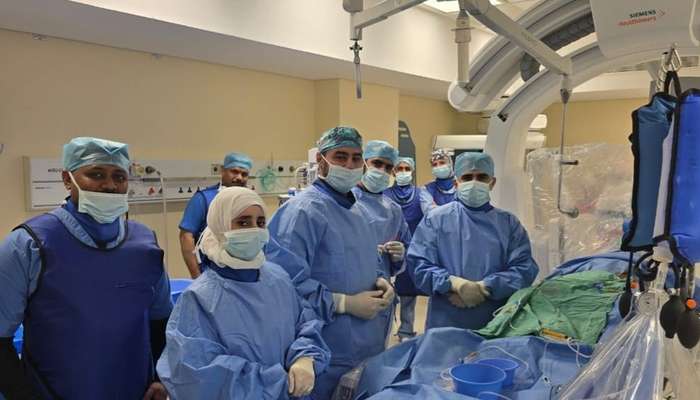

A complex medical case involving a rare cerebral vascular malformation has been successfully treated at Sohar Hospital, thanks to the swift collaboration and specialized expertise of a medical team from Khoula Hospital. The procedure, utilizing advanced interventional neuroradiology techniques, highlights the growing sophistication of healthcare within the Sultanate of Oman and the benefits of a coordinated national medical system. This breakthrough demonstrates the ability to deliver cutting-edge neurological care closer to home for patients in the Al Batinah region.
Sohar Hospital Successfully Treats Complex Cerebral Vascular Malformation
The patient initially presented at Sohar Hospital experiencing recurring neurological symptoms, prompting a thorough investigation. Diagnostic examinations quickly revealed a highly intricate cerebral vascular malformation – an abnormal connection between arteries and veins in the brain. This type of condition is rare and demands immediate, specialized intervention to prevent potentially life-threatening complications.
The Need for Specialized Intervention
Cerebral vascular malformations are delicate and require precise treatment. Open surgery, while sometimes necessary, carries significant risks. Recognizing the complexity of the case, the medical team at Sohar Hospital immediately contacted Khoula Hospital, Oman’s leading national referral center for advanced neurological procedures. This proactive step was crucial in ensuring the patient received the best possible care.
A joint treatment plan was rapidly developed, leveraging the resources and expertise of both institutions. The decision was made to perform a minimally invasive procedure directly at Sohar Hospital, showcasing the increasing capabilities of regional healthcare facilities.
Advanced Interventional Neuroradiology in Action
The treatment was carried out using neurocatheterisation, a sophisticated form of interventional neuroradiology. This technique involves threading a thin catheter through blood vessels to reach the site of the malformation. This allows the medical team to precisely target the abnormal connections without the need for large incisions or extensive surgery.
The benefits of neurocatheterisation are substantial. It significantly reduces procedural risks, minimizes trauma to the patient, and leads to a much faster recovery time compared to traditional surgical approaches. This is particularly important in cases involving delicate brain structures.
The team successfully navigated the intricate network of cerebral vessels, effectively treating the vascular malformation. Following the procedure, the patient exhibited a marked and positive improvement in their neurological condition, a testament to the skill and precision of the medical professionals involved.
Collaboration and the Future of Omani Healthcare
Dr. Ali bin Khalfan Al-Balushi, Senior Consultant in Neurology and Interventional Neuroradiology at Khoula Hospital, emphasized the significance of this successful intervention. He stated that it clearly demonstrates the advanced level of healthcare services now available within the Sultanate of Oman. The success wouldn’t have been possible without the seamless coordination between the two hospitals.
“This case underscores the importance of integrated cooperation among healthcare institutions,” Dr. Al-Balushi explained. “By exchanging expertise and complementing each other’s roles, we can ensure the provision of specialized, safe, and high-quality healthcare for all patients in Oman.”
He further highlighted how this collaborative approach enhances the efficiency of national medical personnel and optimizes the utilization of advanced medical resources and technologies across the country. Investing in and sharing these resources is vital for continued progress.
Sohar Hospital’s Growing Capabilities
Dr. Al-Balushi also acknowledged the dedicated and qualified medical teams already present at Sohar Hospital, specializing in neurology and interventional neuroradiology. This existing expertise allowed for the successful implementation of the complex procedure within the regional facility. The ability to perform such procedures locally reduces the need for patients to travel long distances for specialized care.
This case serves as a powerful example of how strategic partnerships and investment in advanced medical technologies are transforming healthcare delivery in Oman. The focus on minimally invasive techniques like neurocatheterisation is improving patient outcomes and reducing the burden on the healthcare system.
Looking Ahead: Continued Advancement in Neurological Care
The successful treatment of this complex cerebral vascular malformation at Sohar Hospital represents a significant step forward in the provision of specialized neurological care in Oman. It demonstrates a commitment to bringing advanced medical interventions closer to patients and fostering a collaborative environment among healthcare professionals.
As Oman continues to invest in its healthcare infrastructure and training programs, we can expect to see even more sophisticated procedures being performed locally, benefiting patients across the Sultanate. This commitment to excellence will undoubtedly improve the quality of life for countless individuals facing challenging neurological conditions. For more information on neurological services available in Oman, please consult the websites of Khoula Hospital and Sohar Hospital.