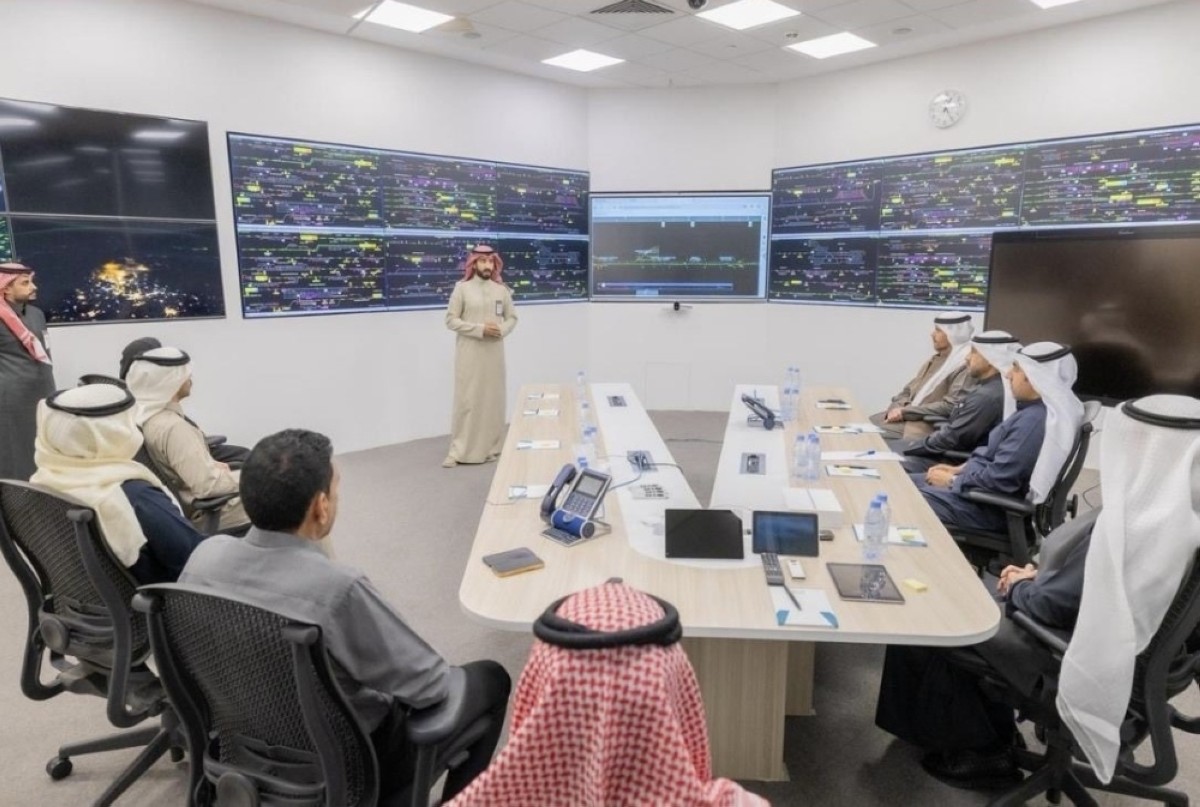

Kuwait is actively preparing for the launch of its ambitious national railway project, slated for completion by 2030, and is looking to Saudi Arabia for expertise in railway fire safety. Last week, a delegation from the Kuwait Fire Force (KFF) visited the Kingdom to study the advanced fire prevention and response measures implemented in Saudi Arabia’s growing metro and railway network. This exchange of knowledge underscores the importance of safety as a cornerstone of the GCC’s unified railway vision.
Kuwait Seeks Saudi Expertise in Railway Fire Safety
The delegation, led by Brigadier Omar Hamad, Acting Deputy Chief for Civil Protection at the KFF, engaged in a comprehensive review of Saudi Arabia’s best practices. Meetings were held with high-ranking officials from Saudi Civil Defense, including Director General Major General Dr. Hamoud bin Suleiman Al-Faraj and Assistant Director General for Safety Major General Ajab Al-Harbi. The visit, authorized by KFF Chief Major General Talal Al-Roumi, highlights a proactive approach to ensuring the highest levels of preparedness for Kuwait’s new infrastructure.
The primary goal of the trip, as reported by the Kuwait News Agency (KUNA), was to gain firsthand insights into the latest technologies and procedures used to mitigate fire risks within complex rail systems. This included detailed tours of various metro stations and facilities operated by the Saudi Railway Company (SAR).
Focus on Prevention and Emergency Response
The Kuwaiti team didn’t just observe; they actively participated in discussions with project managers and technical specialists. These interactions focused on three key areas:
- Cutting-edge fire prevention technologies: Examining the systems in place to detect and suppress fires before they escalate.
- Emergency response procedures: Understanding how Saudi authorities coordinate and respond to fire incidents within the rail network.
- Hands-on safety protocols: Reviewing the practical training and drills conducted to ensure personnel are equipped to handle emergencies.
This deep dive into operational details demonstrates Kuwait’s commitment to learning from a nation already experiencing the benefits – and challenges – of a modern rail system. The delegation received a souvenir from their Saudi counterparts, symbolizing the collaborative spirit of the exchange.
The Kuwait Railway Project: A Strategic Investment
Kuwait’s push to develop a robust railway network is a key component of its broader economic diversification strategy and regional integration efforts. The project is aligned with the goals set by the GCC transport ministers, aiming to create a seamless railway connection across the Gulf Cooperation Council member states.
The central hub of Kuwait’s railway will be a massive station in Shadadiya, encompassing a sprawling two million square meters. This station will serve as a vital link for both domestic and international rail services. The project is currently in the design phase, with the Turkish consulting firm Proyapi leading the initial work on the GCC railway connection.
Two Tracks: Regional Connectivity and Rapid Transit
Engineer Ahmad Al-Saleh, spokesperson for the Public Works Ministry, explained to KTV that the Kuwaiti railway will support two distinct types of service. These include:
- Regional Freight and Passenger Line: A 111-kilometer diesel train route connecting Kuwait to the broader GCC network, extending to Saudi Arabia and ultimately Oman. This line will be crucial for facilitating trade and travel within the region.
- High-Speed Rail to Riyadh: A dedicated high-speed link designed to dramatically reduce travel time between Kuwait and the Saudi capital to just one hour and forty minutes. This will significantly boost business and tourism opportunities.
The Public Works Ministry is actively coordinating with Saudi Arabia through joint committees to ensure the seamless integration of the two systems. This collaboration is vital, given Saudi Arabia’s significant advancements in rail infrastructure and its experience in managing large-scale railway projects.
Ensuring Safety Throughout the GCC Railway Network
The Kuwaiti delegation’s visit to Saudi Arabia is a testament to the importance of prioritizing fire protection systems in railway development. As the GCC nations move forward with their interconnected rail network, sharing best practices and harmonizing safety standards will be paramount.
The lessons learned regarding fire prevention, emergency response, and personnel training will directly inform the implementation of safety measures in Kuwait’s railway project. This proactive approach will not only protect passengers and infrastructure but also contribute to the overall success and sustainability of the regional railway network.
Furthermore, the focus on advanced technologies and robust protocols will enhance the confidence of investors and stakeholders in the long-term viability of the project. The collaboration between Kuwait and Saudi Arabia serves as a model for other GCC countries as they strive to build a safe, efficient, and interconnected railway system.
In conclusion, Kuwait’s commitment to learning from Saudi Arabia’s experience in railway fire safety is a crucial step in ensuring the success of its ambitious national railway project. By prioritizing safety and fostering regional cooperation, Kuwait is laying the foundation for a modern and sustainable transportation network that will benefit its citizens and contribute to the economic growth of the entire GCC region. The ongoing design phase and planned tendering process will undoubtedly incorporate the valuable insights gained from this important exchange.