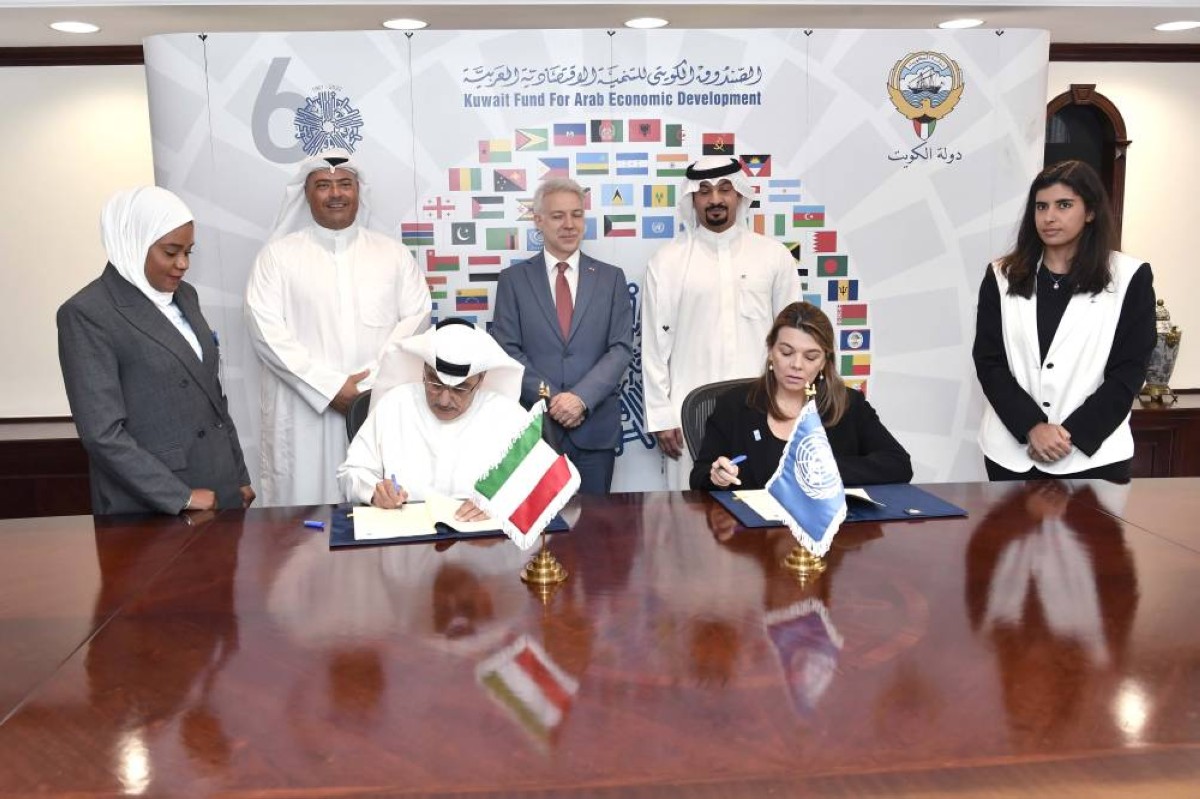

Kuwait continues to demonstrate its unwavering commitment to humanitarian aid, recently pledging USD four million to bolster community resilience in Sudan. This significant contribution, channeled through the Kuwait Fund for Arab Economic Development (KFAED) and the United Nations Development Programme (UNDP), arrives at a critical juncture as Sudan grapples with a deepening humanitarian crisis. The funding will focus on expanding access to clean energy and strengthening food and water security for vulnerable populations across the nation.
KFAED and UNDP Partner to Address Sudan’s Humanitarian Needs
The two grant agreements, signed on Thursday, represent a continuation of a strong partnership between KFAED and UNDP, dating back to 2013. Over the past decade, KFAED has contributed a total of USD 14.6 million to various projects in Sudan, demonstrating a long-term dedication to the country’s development. Acting Director General of KFAED, Waleed Al-Bahar, emphasized that Sudan’s complex challenges necessitate collaborative efforts to alleviate suffering and foster sustainable solutions.
This latest investment isn’t simply about providing immediate relief; it’s about building long-term resilience within Sudanese communities. Al-Bahar highlighted the importance of practical solutions that improve living conditions and empower communities to overcome current hardships. The focus on sustainable development aligns with the broader goals of both KFAED and UNDP.
Focusing on Internally Displaced Persons and Host Communities
A substantial portion of the funding – USD 6.8 million – will be allocated to supporting internally displaced persons (IDPs), refugees, and the communities hosting them in eastern Sudan. This project, a joint effort with Switzerland and UNDP, will benefit approximately 160,000 people across Kassala, Al-Qadarif, and Red Sea states.
Climate-Resilient Livelihoods
The initiative will prioritize restoring livelihoods through climate-resilient agriculture, strengthening fisheries and livestock production, and expanding access to renewable energy sources. Specifically, the project will facilitate the installation of solar-powered water and energy solutions for essential community services. Crucially, at least 50% of the training opportunities will be reserved for women, ensuring gender equality and empowering female participation in economic recovery. This focus on sustainable agriculture is vital for long-term food security.
Expanding Agricultural Support Across Sudan
The second agreement, fully funded by KFAED with USD two million, will directly support agriculture across Sudan, reaching an estimated 500,000 smallholder farmers in White Nile, Jazira, Kassala, and Red Sea states. This project aims to improve water security and boost agricultural productivity through strategic investments in irrigation infrastructure.
Enhancing Water Management and Irrigation
Key components of this project include installing solar-powered irrigation systems, rehabilitating existing irrigation infrastructure, and providing training to farmers on efficient water management techniques. Furthermore, the project will strengthen community water-user associations, promoting fair and sustainable governance of water resources. Effective water resource management is paramount in a region facing increasing water scarcity.
International Cooperation and a Shared Commitment
The partnership between Kuwait and Switzerland, formalized through a cooperation framework signed in Bern last May, underscores the growing trend of international collaboration in addressing complex humanitarian challenges. Swiss Ambassador to Kuwait, Tiziano Balmelli, emphasized the importance of this joint support for vulnerable Sudanese populations. Both countries are actively exploring further joint projects and humanitarian assistance, with a continued focus on critical needs, including those in Gaza.
UNDP Resident Representative in Kuwait, Emma Morley, lauded the strength of the KFAED-UNDP partnership, emphasizing its focus on transitioning communities from emergency relief to long-term, sustainable development. She highlighted that these projects will empower communities to move beyond immediate needs and build lasting resilience. Morley also expressed gratitude for Kuwait’s consistent and generous support, recognizing its significant role in international humanitarian assistance.
A Critical Intervention in a Grave Crisis
Sudan currently faces one of the world’s most severe humanitarian crises, with over 14 million people displaced and more than 30 million in need of assistance. Alarmingly, 21 million Sudanese are experiencing severe food insecurity. These new projects are designed to provide immediate support while simultaneously laying the groundwork for long-term recovery for refugees and internally displaced communities.
The KFAED’s continued investment, coupled with the collaborative efforts of UNDP and Switzerland, offers a beacon of hope for a nation grappling with immense challenges. This commitment to sustainable development and community empowerment represents a vital step towards building a more resilient and prosperous future for Sudan.