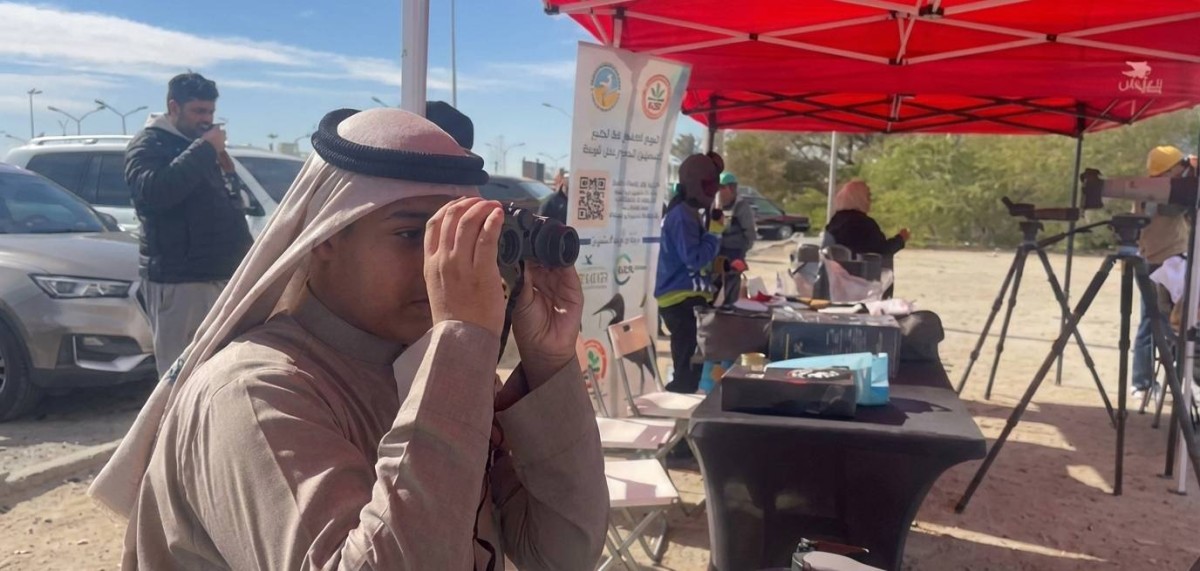

Kuwait’s commitment to environmental preservation shone brightly this past Saturday as the Kuwait Environment Protection Society (KEPS) successfully hosted its annual World Winter Bird Count Day at Sulaibikhat beach. The event, drawing significant participation from government officials, community groups, and international representatives, underscored the importance of protecting Kuwait’s diverse avian population and its fragile coastal ecosystems. This year’s count revealed a healthy, though vulnerable, presence of migratory and resident birds, highlighting the ongoing need for conservation efforts.
A Flourishing Tradition: The World Winter Bird Count in Kuwait
The World Winter Bird Count Day is a crucial initiative for KEPS, forming a key part of their contribution to global environmental monitoring programs. Held under the patronage of Social Affairs and Family and Childhood Affairs Minister Dr. Amthal Al-Huwailah, the event has grown significantly since its inception in 2012. Initially a single-day effort, KEPS expanded the scope this year to encompass a 17-day period from January 1st to 17th, conducting systematic monitoring across various locations throughout Kuwait.
This expansion allows for a more comprehensive understanding of bird distribution and population trends during the wintering season. The data collected will be instrumental in compiling KEPS’ annual monitoring report in 2026, providing a valuable baseline for future conservation strategies. The choice of the third Saturday in January is strategic, coinciding with high tide conditions that concentrate wading and seabirds closer to shore, making accurate counting more feasible from established observation points.
Notable Bird Species Recorded During the Count
This year’s count yielded impressive numbers and a wide variety of species. The Dunlin topped the list with a recorded population of 500, followed by the Black-headed Gull (300) and the majestic Greater Flamingo (200). Other significant sightings included:
Key Species Highlights
- Common Redshank: 200 individuals observed.
- Kentish Plover: 50 individuals.
- Mallard: 30 individuals.
- Grey Heron: 20 individuals.
- Laughing Dove: 20 individuals.
Beyond these prominent species, observers also documented smaller numbers of Grey Plover, Common Shelduck, Slender-billed Gull, and Common Ringed Plover, demonstrating the richness of Kuwait’s birdlife. This diversity is a testament to the importance of Kuwait as a stopover point for migratory birds traveling between breeding and wintering grounds. Birdwatching in Kuwait is becoming increasingly popular, and events like this help foster a deeper appreciation for these incredible creatures.
Broad Collaboration and Growing Environmental Awareness
The success of the World Winter Bird Count Day was largely due to the collaborative spirit of numerous stakeholders. The event saw participation from the Ministry of Interior, including the environmental police who played a vital role in raising awareness about environmental regulations. Emergency medical services were also present as a precautionary measure, ensuring the safety of all involved.
Dr. Wijdan Al-Oqab, Chair of KEPS, emphasized the significance of this widespread involvement. She noted that the presence of representatives from the International Union for Conservation of Nature (IUCN) and BirdLife International, both strategic partners in the activity, further underscored its global relevance. The participation of Arab and foreign ambassadors, alongside local youth and families, clearly demonstrates a growing environmental consciousness within Kuwait.
Protecting Kuwait’s Coastal Habitats: A Call to Action
A central theme of the event was the urgent need to protect and rehabilitate Kuwait’s beaches. Dr. Al-Oqab highlighted the detrimental impact of waste, particularly plastics, on the delicate biodiversity of the coastal environment. The event incorporated a beach clean-up campaign, directly addressing this issue and encouraging responsible waste management practices.
The health of these coastal habitats is intrinsically linked to the well-being of the birds that rely on them for feeding and resting during their migratory journeys. Protecting these areas requires a multi-faceted approach, including stricter regulations on pollution, increased public awareness campaigns, and ongoing monitoring efforts like the World Winter Bird Count Day. Environmental conservation in Kuwait is not just a scientific endeavor, but a collective responsibility.
Looking Ahead: Continued Monitoring and Conservation Efforts
Mohammad Shah, Head of KEPS’ Bird Monitoring and Protection Team, explained that December and January represent the optimal time for bird counts in Kuwait, as migration activity slows down, allowing for more accurate assessments of wintering populations. The data gathered from this year’s expanded count will contribute significantly to a more detailed understanding of these populations and inform future conservation strategies.
The World Winter Bird Count Day serves as a powerful reminder of the beauty and fragility of Kuwait’s natural heritage. By continuing to monitor and protect its birdlife and coastal ecosystems, Kuwait can ensure a sustainable future for both its environment and its people. KEPS encourages continued public engagement in environmental initiatives and invites individuals to learn more about their work and how they can contribute to the preservation of Kuwait’s biodiversity.