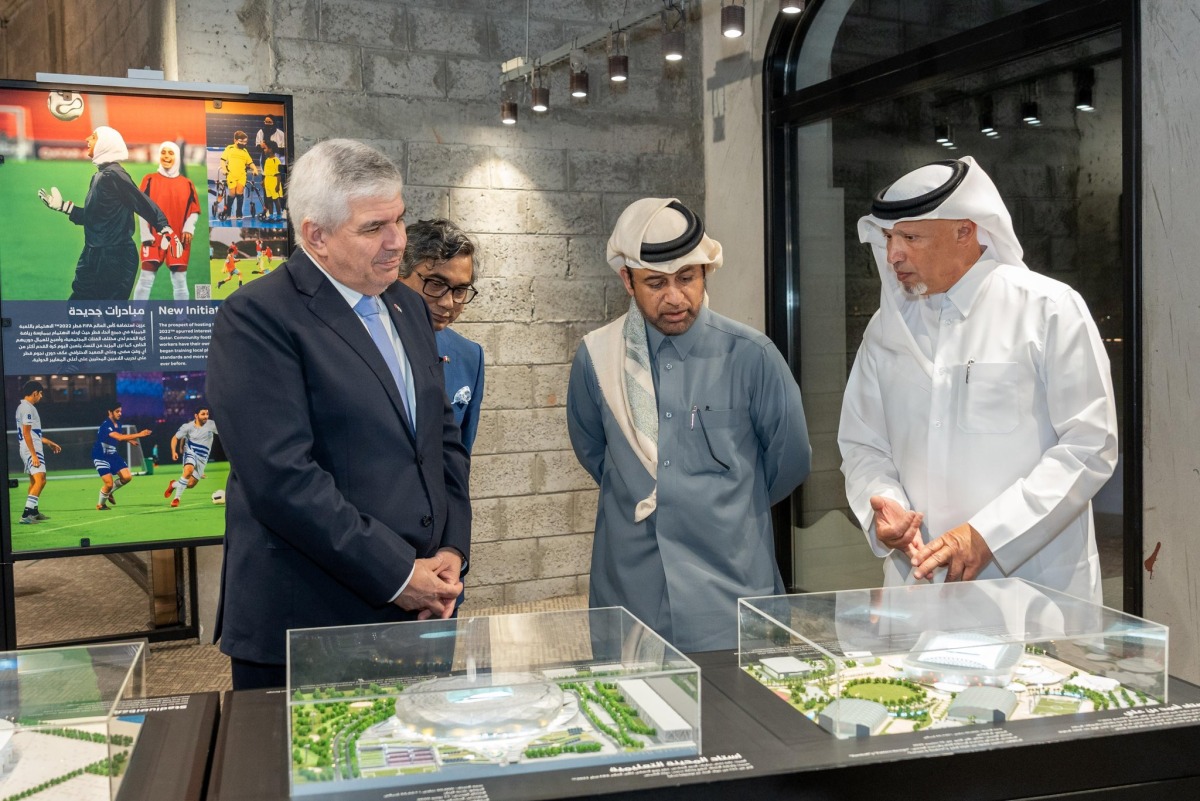

The Cultural Village Foundation (Katara) in Doha, Qatar, opened the “Legacy of the FIFA World Cup Qatar 2022” exhibition on December 29, 2023. The exhibition, a collaboration with the Supreme Committee for Delivery & Legacy, aims to showcase the lasting impact of the tournament on Qatar’s cultural landscape and the global FIFA World Cup. It is currently open to the public at Building 45 within Katara, running daily from 10 am to 10 pm.
The opening was attended by Katara General Manager Prof. Dr. Khalid bin Ibrahim Al Sulaiti and other prominent figures. Visitors can expect a comprehensive look at the event’s influence, extending beyond the sporting achievements to encompass social and cultural developments within the nation. The exhibition is anticipated to be a popular destination for both residents and tourists.
Exploring the Enduring Legacy of the FIFA World Cup
The 2022 FIFA World Cup, hosted in Qatar, was a landmark event for the Middle East, marking the first time the tournament was held in the Arab world. The event was not without its challenges, including scrutiny over human rights and labor practices, but ultimately delivered a globally celebrated sporting spectacle. Now, the “Legacy of the FIFA World Cup Qatar 2022” exhibition seeks to document and analyze the long-term effects of hosting such a major international event.
Qatar invested heavily in infrastructure for the World Cup, constructing new stadiums, a metro system, and numerous hotels. According to reports from the Qatar government, this investment has left a lasting legacy in terms of improved transportation and accommodation options, benefiting both residents and the tourism sector. The exhibition will likely detail these infrastructural advancements.
Cultural Impact and National Identity
The World Cup provided a platform for Qatar to showcase its culture and heritage to a global audience. Traditional arts, crafts, and cuisine were prominently featured during the tournament, fostering a greater understanding and appreciation of Qatari identity internationally. The increased global attention also spurred interest in tourism to Qatar.
However, the exhibition is also expected to address the complex social discussions that arose during and after the event. These include debates around cultural sensitivity, the role of migrant workers, and the overall impact on Qatari society. This nuanced perspective aims to present a balanced assessment of the tournament’s effects.
Sporting Development and Future Events
The World Cup served as a catalyst for Qatar’s sporting ambitions. The newly constructed stadiums, particularly those designed with modularity in mind, are intended to be repurposed for local sports and community events. This focus on sustainable infrastructure is a key element of the event’s legacy.
The exhibition will highlight how the tournament fostered greater participation in football at all levels within Qatar. It may also showcase Qatar’s planning and preparation for hosting future international sporting events, building on the experience gained from the FIFA World Cup. The country continues to invest in sports infrastructure and programs, aiming to establish itself as a major sporting hub in the region.
Furthermore, the ‘Stadium Upcycling’ initiative, announced after the tournament concluded, is intended to deliver a positive social and environmental impact by repurposing the stadiums. This ongoing process, which involves transforming stadium components into affordable housing or sporting facilities, embodies the commitment to a lasting and meaningful World Cup legacy.
The success of the exhibition’s initial days will be closely monitored by Katara and the Supreme Committee for Delivery & Legacy. Future plans may involve extending the exhibition’s run or creating traveling versions to share the insights with wider audiences. The long-term impact of the World Cup on Qatar is still unfolding, and ongoing analysis – like that presented in this exhibit – is crucial to understanding its true significance.