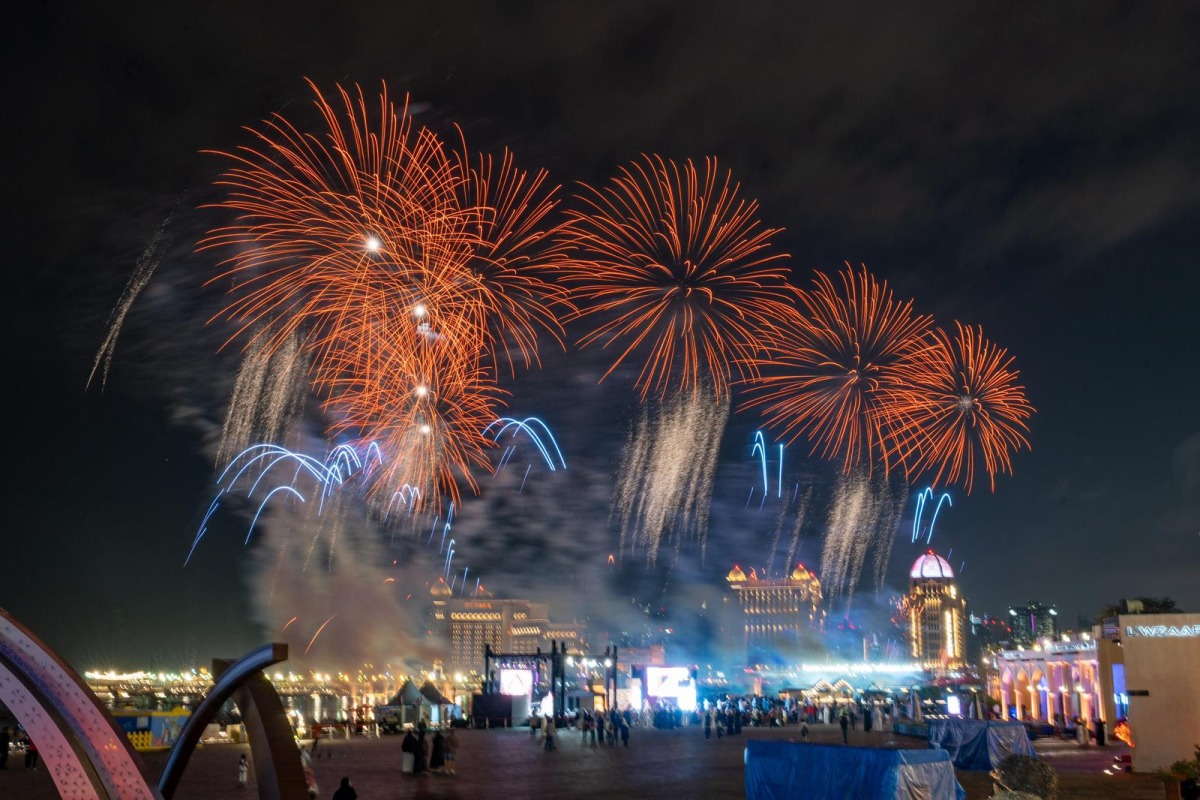

Doha, Qatar – The Katara Cultural Village Foundation successfully concluded a series of events coinciding with the recent Arab Cup final, solidifying its position as a key cultural and tourism hub in the region. The comprehensive program, designed to complement the sporting tournament, showcased Qatari and Arab heritage and attracted a diverse audience. The culmination of these events, including the 15th Katara Traditional Dhow Festival, underscores Qatar’s commitment to cultural exchange and its growing prominence on the international stage. This vibrant atmosphere centered around the Katara Cultural Village.
The festivities, which began in late November and continued through December 18th, featured artistic performances, heritage displays, interactive activities, and dedicated fan zones broadcasting the Arab Cup matches. According to the Katara Cultural Village Foundation, the events saw significant public participation from both residents and international visitors. The program aimed to create a unifying space for celebration and interaction, blending the excitement of the tournament with the richness of local culture.
Celebrating Maritime Heritage at the Katara Traditional Dhow Festival
A centerpiece of the cultural program was the 15th Katara Traditional Dhow Festival, which concluded after several days of showcasing Qatar’s and the Gulf region’s seafaring traditions. The festival highlighted the historical importance of dhows – traditional wooden sailing vessels – to the region’s economy and identity. This year’s event featured participation from 11 countries, including Oman, Kuwait, and Iran, demonstrating its increasing international recognition.
Dhow Festival Activities and Displays
The Dhow Festival offered a wide range of activities, including dhow races, traditional music performances, and craft workshops. Visitors were able to observe the intricate craftsmanship involved in dhow building and learn about the history of pearl diving, a significant industry in the region for centuries. The festival also included displays of traditional maritime tools and equipment, providing a glimpse into the lives of sailors and fishermen.
Additionally, Katara continued its Arabic Language Festival throughout the period, running until December 20th. This festival focused on promoting the beauty and cultural significance of the Arabic language through workshops and interactive events geared towards all age groups. The initiative aligns with Qatar’s broader efforts to preserve and promote its cultural heritage.
However, the events weren’t solely backward-looking. Katara’s strategy deliberately incorporated contemporary elements alongside traditional displays, aiming to present cultural heritage in a way that resonates with younger generations. This blend was evident in the fan zones, which provided a modern space for enjoying the Arab Cup while still being immersed in the cultural atmosphere of the village.
The success of these events reflects Qatar’s broader strategy of leveraging major sporting events to promote its culture and tourism sector. The country has invested heavily in infrastructure and cultural institutions in preparation for the FIFA World Cup 2022, and the Arab Cup served as a valuable testing ground for these preparations. The focus on cultural programming alongside sporting events is intended to enhance the visitor experience and showcase the country’s multifaceted identity.
The Katara Cultural Village Foundation emphasized that the events conveyed a message of cultural understanding and dialogue. They believe that culture serves as a bridge between people and fosters positive interaction between societies. This commitment to intercultural exchange is a key aspect of Qatar’s foreign policy and its efforts to position itself as a regional leader.
Looking ahead, the Katara Cultural Village Foundation is expected to announce its programming schedule for early 2023. The timing and scope of future events will likely be influenced by the lessons learned from the Arab Cup and the ongoing preparations for the FIFA World Cup. Observers will be watching to see how Katara continues to balance the preservation of traditional culture with the embrace of modern innovation and international collaboration, and how it will continue to attract tourism to Qatar.
The continued development of cultural initiatives like those at Katara is also expected to play a role in Qatar’s National Vision 2030, which prioritizes sustainable development and cultural preservation. The impact of these events on Qatar’s cultural landscape and its international image remains a key area of interest for researchers and policymakers alike. The cultural events were a resounding success.
Further analysis of visitor demographics and economic impact is anticipated in the coming months, providing a more comprehensive understanding of the benefits generated by the Katara program. The Dhow Festival, in particular, is expected to remain a significant annual event, attracting increasing numbers of participants and visitors. The promotion of Arab culture through these initiatives is a long-term investment in Qatar’s identity and its role in the global community.