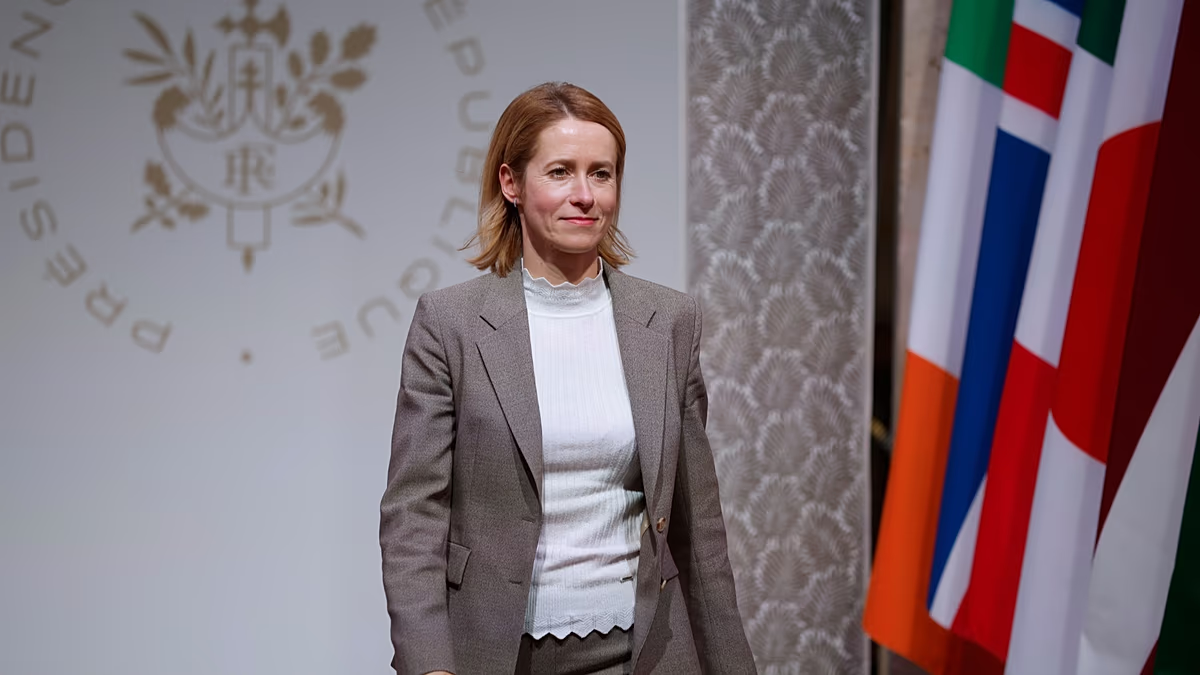

The European Union is preparing to impose new sanctions on Iran in response to the escalating violence against protesters, according to diplomatic sources. EU foreign policy chief Kaja Kallas is expected to present the proposed measures to member states as early as today, building on existing restrictions related to human rights abuses and nuclear activities. These sanctions aim to hold Iranian officials accountable for the crackdown following widespread demonstrations.
The move comes amid growing international concern over the situation in Iran, where protests initially sparked by economic hardship have been met with a forceful response from authorities. Reports indicate a significant number of deaths and arrests, prompting calls for stronger action from the international community. The potential for further escalation, including possible external intervention, remains a key concern.
Expanding EU Sanctions on Iran
The proposed sanctions fall under the EU’s existing human rights framework, which allows for travel bans and asset freezes targeting individuals and entities responsible for serious violations. This builds upon a substantial sanctions regime already in place against Iran, addressing issues ranging from its nuclear program to its support for Russia’s war in Ukraine. According to sources, the EU has already sanctioned over 230 Iranians and 40 entities.
The current wave of unrest began nearly two weeks ago, fueled by a deepening economic crisis and public dissatisfaction. While initial protests focused on financial difficulties, they quickly broadened to encompass wider political grievances. The scale of the protests and the severity of the response have drawn condemnation from human rights organizations and governments worldwide.
Reported Death Toll and International Response
Estimates of the number of people killed in the protests vary significantly. A US-based human rights group reported at least 2,571 deaths on Wednesday, though unofficial sources suggest the actual figure could be much higher. These reports have prompted strong reactions from international leaders.
US President Donald Trump has publicly voiced support for the protesters, urging them to resist and suggesting American assistance is forthcoming. This statement raised concerns about potential military intervention in the region. The US State Department provides further background on US-Iran relations.
Meanwhile, the EU is prioritizing diplomatic and economic pressure. The proposed sanctions are intended to signal the EU’s strong disapproval of the Iranian government’s actions and to encourage a more restrained approach. However, the effectiveness of sanctions is often debated, and their impact on the Iranian population remains a concern.
Iran’s Regional Role and Existing Restrictions
The EU’s existing sanctions against Iran are multifaceted. Beyond human rights, they target Iran’s nuclear proliferation activities, raising concerns about the potential development of nuclear weapons. Additionally, sanctions address Iran’s provision of military support to Russia, specifically the supply of drone technology used in attacks on Ukraine.
The Islamic Revolutionary Guard Corps (IRGC) is already subject to significant EU restrictions, despite not being formally designated as a terrorist organization. The possibility of adding the IRGC to the EU’s terror list is under consideration, a move that would further escalate the pressure on Tehran. This decision is complex, given the potential ramifications for regional stability and diplomatic efforts.
The EU foreign affairs ministers are scheduled to discuss the proposed sanctions on Iran at their next meeting on January 29, hosted by Kaja Kallas. The discussion will likely focus on the scope of the new measures and the potential for a unified response from all member states. The implementation of these sanctions will require consensus among the 27 EU nations.
Looking ahead, the situation in Iran remains highly volatile. The international community will be closely watching the EU’s response and the potential for further escalation. Continued monitoring of the human rights situation and diplomatic efforts to de-escalate tensions will be crucial in the coming weeks. Stay informed about developments in Iranian politics and the EU’s foreign policy initiatives.