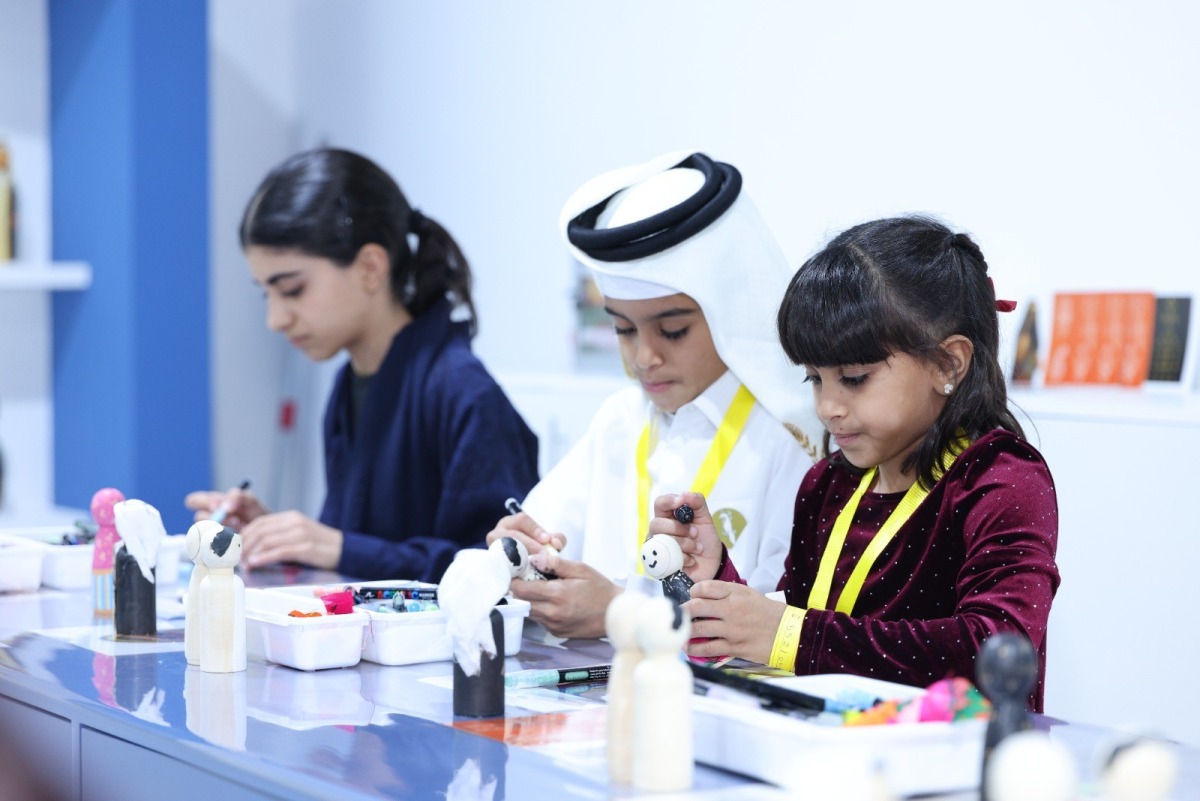

Doha, Qatar – The Qatar General Electricity and Water Corporation (Kahramaa) recently hosted a “Junior Employee” initiative for the children of its workforce, demonstrating a growing commitment to work-life balance and family engagement within the Qatari corporate sector. Organized in collaboration with the Qatar Career Development Center, the event took place in Doha and aimed to provide young participants with an understanding of professional environments and values. This program highlights a broader trend of companies in Qatar prioritizing employee well-being and fostering a sense of community.
The initiative, which concluded with the presentation of certificates and group photos, involved interactive activities and tours of Kahramaa facilities. It offered children firsthand exposure to the operations of a vital national utility and the diverse roles within the organization. The event underscores Kahramaa’s dedication to social responsibility and creating a supportive workplace for its employees and their families.
Kahramaa’s “Junior Employee” Program: Fostering Future Generations
The core objective of the “Junior Employee” program was to introduce children to the realities of the workplace, moving beyond abstract concepts to provide practical experience. Participants engaged in simulations of various job functions, tailored to their age groups, to cultivate an early appreciation for responsibility and professional conduct. This approach differs from traditional career days, focusing instead on immersion and experiential learning.
Educational Activities and Facility Tours
The program began with an introductory session explaining Kahramaa’s role in providing essential services to Qatar. Following this, children participated in a series of hands-on activities designed to mimic the tasks performed by Kahramaa employees. These activities were carefully planned to be both engaging and educational, fostering a positive association with work.
A key component of the initiative was guided tours of Kahramaa’s offices and operational facilities, including power plants and water desalination plants. These tours provided a unique opportunity for children to witness the scale and complexity of the corporation’s infrastructure. According to a Kahramaa statement, the tours were intended to instill a sense of pride in the organization and its contribution to the nation.
Qatar has been actively promoting initiatives to enhance employee engagement and support families, aligning with the country’s National Vision 2030. This vision emphasizes human capital development and a sustainable, diversified economy. The “Junior Employee” program can be seen as a concrete step towards achieving these goals by investing in the next generation and strengthening the connection between work and family life.
The focus on family-friendly policies is becoming increasingly important in attracting and retaining talent in Qatar’s competitive job market. Companies are recognizing that employees who feel supported in balancing their work and personal lives are more productive and committed. This initiative by Kahramaa sets a positive example for other organizations in the region.
While the immediate impact of the program is on the participating children and their families, the long-term implications could be significant. By fostering an early understanding of professional values and the importance of essential services, Kahramaa may be contributing to a more skilled and engaged workforce in the future. This also supports broader career development goals within the country.
Kahramaa’s commitment to social responsibility extends beyond employee benefits. The corporation is also actively involved in environmental sustainability initiatives and community outreach programs. This holistic approach to corporate citizenship is gaining traction in Qatar as businesses strive to contribute to the nation’s overall well-being.
Looking ahead, Kahramaa has not announced specific plans to expand the “Junior Employee” initiative, but the success of this initial program suggests it could become a recurring event. The corporation will likely evaluate feedback from participants and stakeholders to refine the program and maximize its impact. Further developments in Qatar’s national labor laws regarding family support and work-life integration will also be a key factor to watch in the coming months.
The initiative’s emphasis on practical experience and early exposure to professional environments represents a novel approach to fostering a positive relationship between employees and their workplaces. It remains to be seen how widely this model will be adopted by other Qatari organizations, but it undoubtedly signals a growing awareness of the importance of workplace culture and employee well-being.