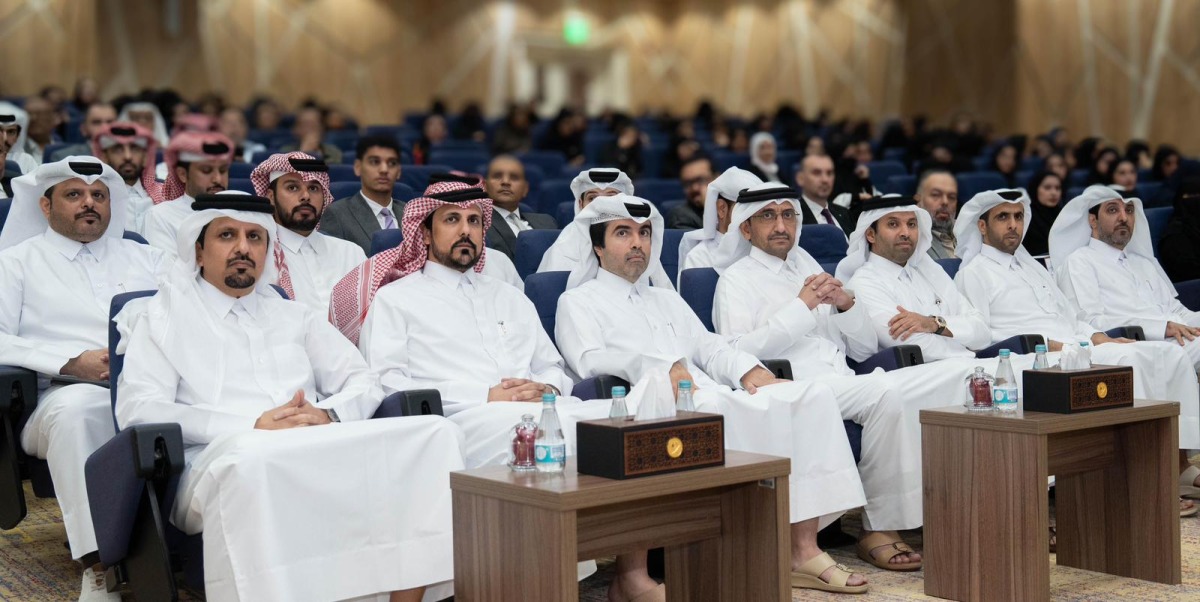

Doha, Qatar – Qatar’s Minister of Justice and Minister of State for Cabinet Affairs, H.E. Ibrahim bin Ali Al Mohannadi, recently met with ministry officials to discuss strategies for enhanced internal communication and a stronger institutional work culture. The meeting, held in Doha, focused on the Ministry of Justice’s ongoing and future initiatives centering on digital transformation, improved access to legal services, and the empowerment of its workforce. These discussions aim to refine the ministry’s approach to legislative updates and overall performance enhancement.
Al Mohannadi’s address covered key achievements made throughout 2024 and outlined priorities for the coming years. The Minister emphasized a unified team approach and closer integration between various departments within the ministry. This meeting signifies a proactive step towards solidifying Qatar’s judiciary and administrative legal systems.
Accelerating Digital Transformation in Qatar’s Judiciary
A core focus of the meeting was the continued acceleration of digital transformation within the Ministry of Justice. Al Mohannadi stated that this shift is no longer optional, but a crucial component of modernizing legal processes and improving efficiency. The ministry has already implemented several initiatives in this area, aiming to streamline access to services for citizens and residents.
According to the ministry, this prioritization of technology reflects Qatar’s broader national vision for a diversified and technologically advanced economy. This includes leveraging technology to support judicial independence and improve the quality of justice delivered.
Recent Legislative and Regulatory Updates
The Minister highlighted substantial progress in legislative and regulatory development throughout 2024. These updates are designed to support the growth of new sectors within Qatar and empower the national workforce. Specifically, the ministry has focused on creating systems and programs that enhance services offered to stakeholders, including businesses and individuals seeking legal assistance.
The ministry’s efforts have not gone unnoticed, receiving several recognition awards for its development initiatives. This external validation underscores the effectiveness of the strategies being implemented and reinforces the commitment to continuous improvement.
Focus on Workforce Empowerment
Alongside digital transformation, the meeting addressed the importance of investing in the Ministry of Justice’s employees. Al Mohannadi stressed the need for initiatives that empower the national workforce and provide opportunities for professional development. This includes training programs focused on new technologies and legal frameworks.
The ministry believes that a skilled and motivated workforce is essential for delivering high-quality legal services and maintaining public trust in the judicial system. This commitment to human capital development is a key element of Qatar’s long-term strategy for sustainable growth.
Furthermore, the discussion touched upon the importance of fostering a collaborative work environment. Al Mohannadi encouraged a “one team” mentality, emphasizing the benefits of integration and knowledge sharing between departments. This approach is expected to improve coordination and responsiveness to the evolving needs of the legal sector.
The Ministry of Justice is also working to improve access to justice, a related secondary keyword. This includes simplifying legal procedures and expanding the availability of legal aid services. These efforts aim to ensure that all members of society have equal access to the legal system, regardless of their financial circumstances.
Another key area of focus is legal technology, a growing trend in the global legal landscape. The ministry is exploring the use of artificial intelligence and other advanced technologies to automate tasks, improve accuracy, and enhance the overall efficiency of the judicial process.
Looking ahead, the Ministry of Justice will continue to execute its strategic plan for 2025-2030, building on the four strategic pathways outlined during the meeting. The successful implementation of these pathways will depend on ongoing collaboration between departments and a continued commitment to innovation. The ministry anticipates further announcements regarding specific initiatives and timelines in the coming months, with a particular emphasis on the integration of emerging technologies and the refinement of legal frameworks to support Qatar’s evolving economic and social landscape.
The next steps involve detailed planning and resource allocation for the initiatives discussed, with specific targets and metrics to measure progress. It remains to be seen how quickly these changes will be fully implemented and their ultimate impact on the provision of legal services in Qatar.