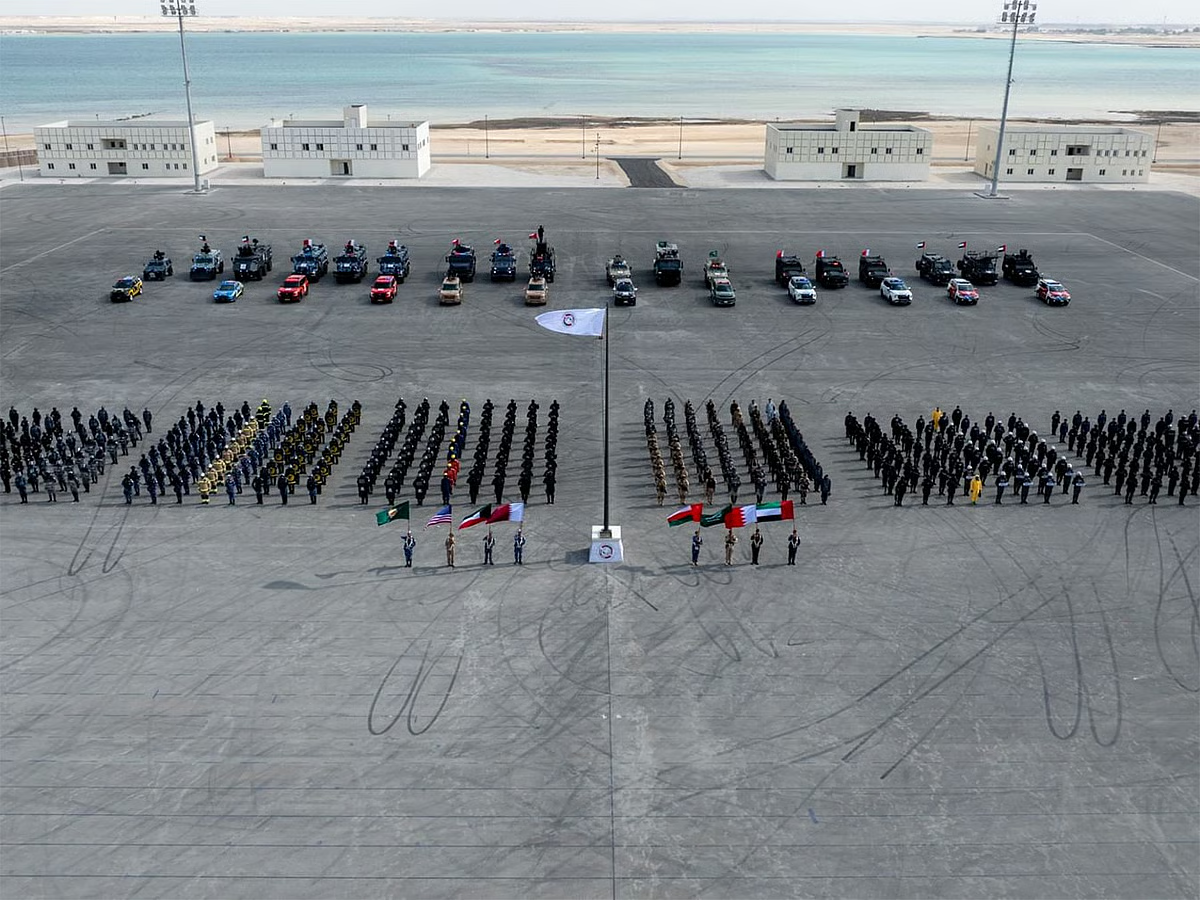

National security forces are currently engaged in a large-scale training exercise designed to enhance their preparedness for a range of potential threats. The operation, which began earlier this month, focuses on improving responses to security operations ranging from terrorism to organized crime and will continue until February 4th. The exercise aims to refine coordination and operational effectiveness across multiple agencies.
The training is taking place at various locations, simulating real-world scenarios. According to a ministry statement, over 70 field exercises and more than 260 hours of dedicated training are being conducted. This intensive period is intended to bolster capabilities in both preventative measures and rapid response protocols, an increasingly important focus for national defense.
Boosting National Security Through Comprehensive Training
This large-scale event is a significant undertaking by national authorities to ensure a robust and coordinated response to potential crises. While such exercises are common, the scope of this particular operation—with its emphasis on complex, multi-faceted situations—suggests a heightened level of preparation across different departments. The initiative comes amid evolving global threat landscapes and a recognized need for consistent inter-agency drills.
The exercise concentrates on simulating a variety of challenges, including counter-terrorism incidents. Additionally, training scenarios address the growing complexity of organized crime, encompassing issues like human trafficking, cybercrime, and drug smuggling. These simulations are designed to test the current systems in place and identify areas for potential improvement.
Key Focus Areas of the Exercise
The training isn’t solely focused on reactive measures; a substantial portion also addresses proactive security protocols. This encompasses facility protection strategies designed to fortify critical infrastructure against both physical and digital attacks. The goal is to minimize vulnerabilities and maintain operational continuity in the face of adversity.
A critical component of the exercise is the focus on command and control procedures. Effective communication and unified decision-making are paramount in crisis situations. The ministry stated that a particular emphasis is being placed on improving joint coordination between specialized operations rooms responsible for intelligence gathering and operational deployment.
The inclusion of emergency response training underscores a “whole-of-government” approach to security. This suggests that the exercise isn’t limited to law enforcement and military personnel, but also involves representatives from emergency medical services, fire departments, and other relevant civilian agencies. This collaborative approach seeks to create a more seamless and effective response when disaster strikes.
Experts in risk management have noted a global trend towards more frequent and intensive security training exercises. This trend is driven by a number of factors, including the rise of non-state actors, the increasing sophistication of cyberattacks, and the growing threat of climate change-related disasters. Such preparedness drills are considered vital for maintaining public safety and national stability.
The exercises involve not only practical field work but also significant classroom and simulation-based training. This holistic approach ensures that personnel are not only physically capable but also mentally prepared to handle high-pressure situations. Participants are meticulously debriefed after each scenario to identify lessons learned and refine future strategies.
While the specifics of each scenario are confidential, the stated intent of the exercises indicates a broad range of potential events are being accounted for. This likely includes training in hostage negotiation, active shooter response, bomb disposal, and mass casualty management. A comprehensive strategy is crucial in managing many potential national emergencies.
In contrast to previous, more narrowly focused drills, this exercise represents a substantial shift in approach. The integration of multiple agencies and the emphasis on complex, interconnected scenarios highlight a recognition that modern security threats rarely operate in isolation. This requires a more adaptable and collaborative response framework.
The long-term implications of this training initiative remain to be seen. However, a consistently well-prepared security apparatus can contribute significantly to national resilience and deterrence. Successful implementation of the lessons learned could lead to adjustments in national security policies and resource allocation.
Following the completion of the field exercises on February 4th, a comprehensive evaluation process will be undertaken. This evaluation, conducted by internal and potentially external assessors, will analyze the effectiveness of the training and identify any outstanding gaps in preparedness. The findings will then be used to inform future training programs and updates to national security operations protocols. The extent of any publicly released details regarding the evaluation is currently uncertain, and will likely depend on the sensitivity of the information gathered.