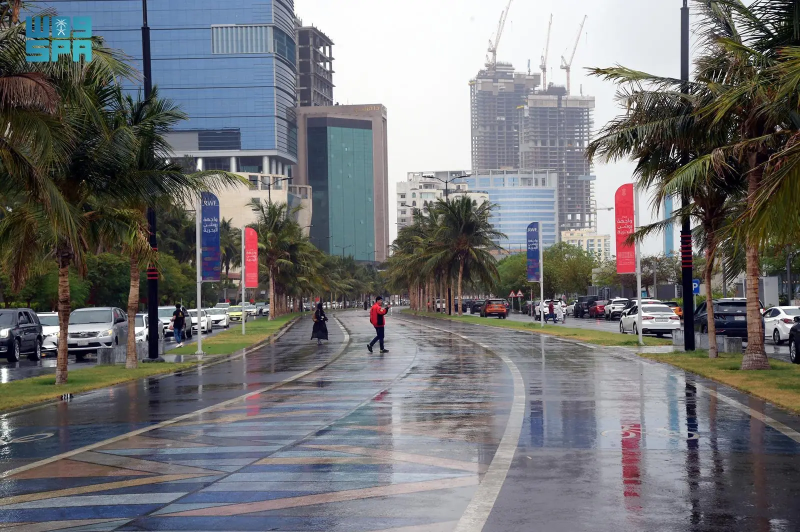

Jeddah experienced exceptionally heavy rainfall on December 9, with the National Center for Meteorology (NCM) recording 135 millimeters across the governorate. This downpour marks the second-highest daily rainfall total in the city’s recent history, highlighting ongoing challenges with flood drainage in Jeddah and the importance of infrastructure projects. The event prompted assessments of the city’s preparedness and the effectiveness of recent mitigation efforts.
The rainfall, concentrated on December 9th, follows a record-breaking event in November 2022, where some areas of southern Jeddah received 179 millimeters of rain between 8:00 a.m. and 2:00 p.m. This surpassed previous high-water marks of 90 millimeters set in 2009 and 111 millimeters in 2011, demonstrating a pattern of increasingly intense precipitation events. Authorities are now evaluating the impact of the latest rainfall and the performance of existing drainage systems.
Recent Rainfall and Jeddah’s Flood Drainage Systems
Jeddah, a major port city and gateway for pilgrims to Mecca, is particularly vulnerable to flash floods due to its topography and seasonal rainfall patterns. The city lies in a narrow coastal plain, with wadis – dry riverbeds – that can quickly fill with water during heavy storms. Historically, inadequate infrastructure has exacerbated flooding issues, leading to significant disruptions and, in some cases, loss of life.
However, the Makkah Region Emirate has been actively implementing long-term solutions to improve flood drainage. The recent rainfall, while substantial, reportedly did not cause the widespread disruption seen in past events, which officials attribute to the progress made on these projects. The NCM continues to monitor weather conditions and issue alerts as needed.
Key Infrastructure Projects
The permanent solutions for rainwater and flood control center around a series of interconnected projects. These include the construction of five dams – Wadi Ghaya, Umm Hablain, Wadi Daghbaj, Wadi Buraiman, and Wadi Ghulail – along with associated infrastructure like auxiliary dams and spillways. These dams are designed to regulate water flow and reduce the risk of downstream flooding.
Additionally, significant work has been undertaken to expand and improve the city’s network of drainage channels. The existing northern, southern, and eastern channels have been widened and upgraded to handle increased volumes of water. A new drainage channel has also been constructed near King Abdulaziz International Airport, a critical area prone to disruption during heavy rainfall.
These projects aim to intercept and divert rainwater away from populated areas, channeling it safely towards the Red Sea. The scale of the investment reflects the seriousness with which the Saudi government views the issue of urban flooding and the need for resilient infrastructure. The implementation of these projects is a key component of Saudi Vision 2030’s goals for sustainable urban development.
Evaluating Project Effectiveness
While initial reports suggest the recent projects mitigated the impact of the December 9th rainfall, a comprehensive assessment is still underway. Engineers are examining the performance of the dams and drainage channels, identifying any areas where improvements are needed. This includes evaluating the capacity of the systems to handle even more extreme rainfall events, a growing concern given climate change projections.
The focus is not only on the physical infrastructure but also on the operational aspects of flood management. This involves improving early warning systems, coordinating emergency response efforts, and raising public awareness about flood risks. Effective communication and preparedness are crucial for minimizing the impact of any future flooding incidents.
The Ministry of Environment, Water and Agriculture is also involved in long-term water resource management strategies, which complement the flood control measures. These strategies aim to balance the need for flood protection with the sustainable use of water resources in the region. This holistic approach is considered essential for addressing the complex challenges of water management in a rapidly developing urban environment.
The recent rainfall also brought attention to the issue of illegal construction in wadi areas, which can obstruct natural drainage pathways and exacerbate flooding. Authorities are continuing efforts to remove encroachments and enforce building regulations in these vulnerable zones. Addressing this issue is vital for ensuring the long-term effectiveness of the flood control projects.
The effectiveness of these drainage solutions is being closely watched by urban planners and engineers across the region, as many cities face similar challenges related to increasing urbanization and climate variability. The lessons learned from Jeddah’s experience could inform best practices for flood management in other coastal urban centers.
Looking ahead, the Makkah Region Emirate plans to continue investing in flood control infrastructure and improving its emergency preparedness capabilities. Further phases of the drainage projects are planned, with a focus on expanding the network to cover more areas of the city. The timeline for completion of these additional phases remains uncertain, dependent on funding and logistical considerations. Ongoing monitoring of rainfall patterns and the performance of existing infrastructure will be critical for adapting to future challenges and ensuring the safety and resilience of Jeddah.
The NCM will continue to provide regular weather updates and forecasts, and residents are encouraged to stay informed and heed any warnings issued by the authorities. The city’s vulnerability to heavy rainfall necessitates a proactive and collaborative approach to flood management, involving government agencies, private sector partners, and the public.