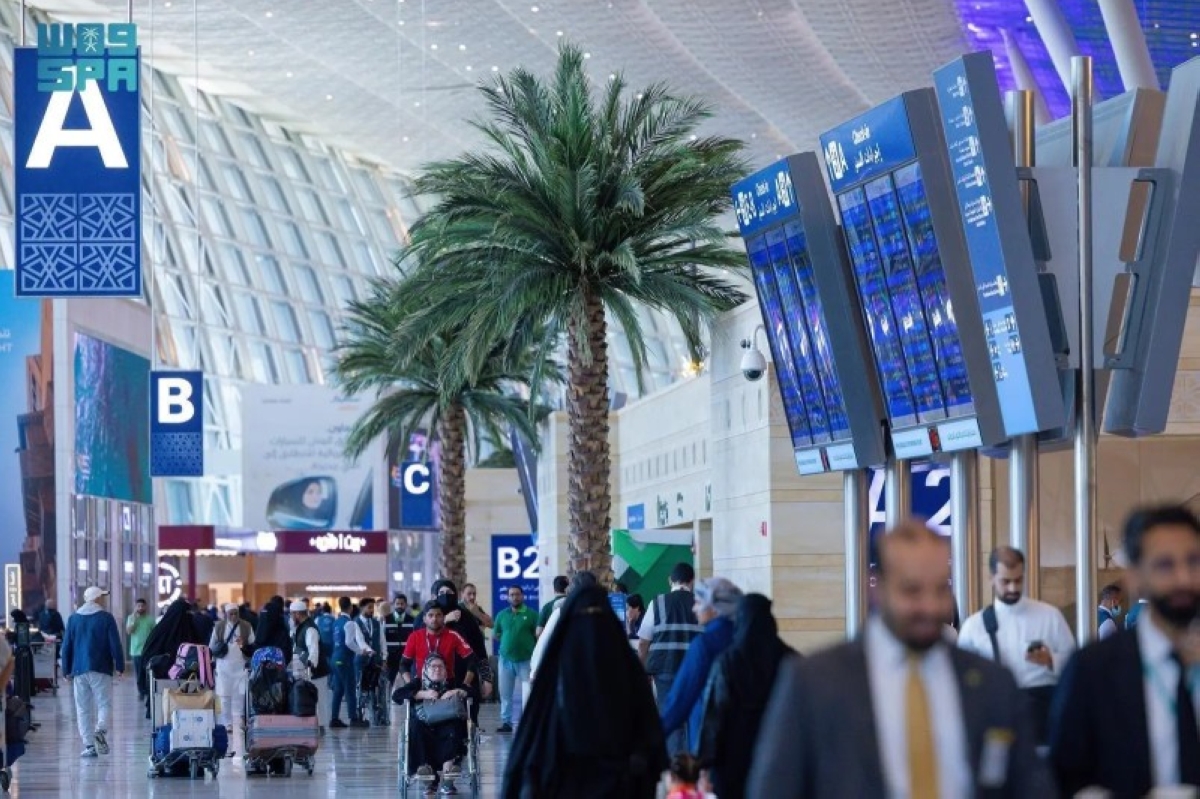

Jeddah’s King Abdulaziz International Airport (KAIA) has achieved a record-breaking year, serving 53.4 million passengers in 2023. This milestone marks the highest passenger volume ever recorded at a Saudi airport and firmly establishes KAIA as a major global aviation hub. The surge in traffic reflects Saudi Arabia’s growing role as a tourism and transit destination, bolstered by initiatives under Vision 2030.
The airport reported handling 310,000 flights and 60.4 million pieces of baggage throughout the year, a 12 percent increase over 2023 figures. Additionally, KAIA processed 9.57 million bottles of Zamzam water and facilitated 2,968 cargo flights, demonstrating its comprehensive operational capabilities. These statistics underscore the airport’s critical infrastructure role in supporting both religious pilgrimage and broader economic activity.
King Abdulaziz Airport: A Hub for Growth and Vision 2030
The record passenger numbers at KAIA are directly linked to Saudi Arabia’s ambitious Vision 2030 plan, which aims to diversify the nation’s economy and significantly increase tourism. The plan includes substantial investment in infrastructure, including airport expansions and upgrades, to accommodate the anticipated growth in international and domestic travel. According to the Ministry of Tourism, Saudi Arabia welcomed over 100 million tourists in 2023, a significant increase from previous years.
Operational Enhancements and Capacity Expansion
Jeddah Airports Company CEO Eng. Mazen Johar stated that the achievement demonstrates the airport’s operational readiness and positions it for further expansion. He anticipates passenger numbers could potentially double in the coming years. This growth will be supported by ongoing infrastructure projects designed to increase capacity and improve the passenger experience.
These enhancements include expansions to terminal facilities, increased baggage handling capabilities, and improvements to air traffic control systems. The airport is also investing in new technologies to streamline processes and enhance security. Meanwhile, the airport is working to improve connectivity with other regional and international destinations.
Pilgrimage and Tourism Driving Passenger Volume
A significant portion of the passenger traffic through KAIA is related to the annual Hajj and Umrah pilgrimages to Mecca and Medina. The airport serves as a primary gateway for millions of pilgrims each year. However, the growth in tourism, driven by new attractions and events, is also contributing significantly to the increase in passenger numbers.
The Saudi government has been actively promoting tourism through initiatives such as the development of luxury resorts, cultural events, and improved visa policies. These efforts are attracting a wider range of visitors to the Kingdom, boosting demand for air travel. The Red Sea Project and NEOM, two large-scale tourism developments, are expected to further increase passenger traffic in the coming years.
Collaboration and Stakeholder Support
Johar emphasized the importance of collaboration between various government and private sector partners in achieving this milestone. He expressed gratitude for the support of the Saudi leadership, the Minister of Transport and Logistic Services, the President of the General Authority of Civil Aviation, and the CEO of MATARAT Holding Company. This coordinated effort has been crucial in ensuring the smooth operation and continued development of the airport.
Additionally, partnerships with airlines, ground handling companies, and other service providers have played a vital role in delivering an exceptional travel experience for passengers. The airport is committed to fostering these relationships to further enhance its services and capabilities. The success of KAIA also relies on effective coordination with customs and immigration authorities to ensure efficient passenger processing.
The airport’s growth is also impacting the broader regional economy, creating jobs and stimulating investment in related industries. Increased air travel supports the hospitality sector, transportation services, and retail businesses in Jeddah and surrounding areas. This economic ripple effect highlights the importance of KAIA as a key driver of regional development.
Looking ahead, the focus will be on sustaining this growth and preparing for future increases in passenger traffic. The airport is expected to continue investing in infrastructure and technology to meet the evolving needs of travelers. The completion of ongoing expansion projects and the implementation of new operational strategies will be critical to maintaining KAIA’s position as a leading aviation hub. Future developments will likely focus on sustainability initiatives and further integration of smart technologies to enhance the passenger experience. The next major milestone will be the assessment of 2024 passenger data, expected in early 2025, to determine if the projected doubling of capacity is on track, and to identify any emerging challenges or opportunities.