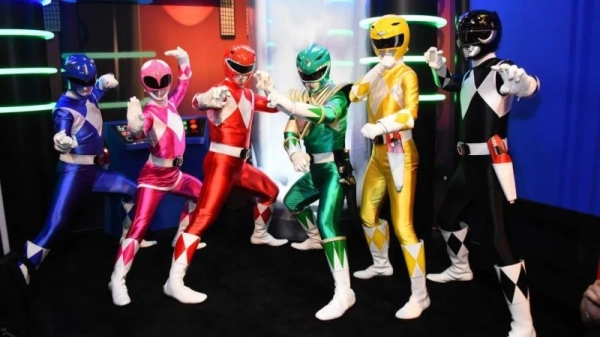

The iconic Japanese superhero series Super Sentai is coming to an end after five decades on air. The long-running show, which has been broadcast weekly on TV Asahi since 1975, is reportedly being axed due to declining sales from merchandise and events, according to local media reports.
TV Asahi has declined to comment on the future of the show’s programming, the Asahi newspaper reported. Super Sentai has been a cultural phenomenon in Japan and beyond, inspiring numerous adaptations, including the popular Power Rangers franchise in the US.
Super Sentai’s Legacy and Impact
Super Sentai’s formula, featuring five teenagers who transform into colorful masked fighters to battle alien threats, has been widely influential. The show’s success spawned a lucrative merchandise industry, with toys, clothes, and collectibles becoming a staple of Japanese pop culture. The series has also served as a launchpad for the careers of many Japanese actors.
The show’s impact extends beyond Japan, with dubbed versions of similar shows like Choudenshi Bioman and Hikari Sentai Maskman gaining cult followings in countries such as the Philippines. Super Sentai’s blend of martial arts, swordfights, and live-action animation has become a hallmark of the series, with its signature red-suited leader and color-coded team members.
The Rise of Power Rangers
The original Power Rangers series, which aired in the US from 1993 to 1996, was adapted from Super Sentai footage. Producer Haim Saban has recalled the challenges of pitching the concept to US networks, with some executives dismissing it as “crazy.” Despite initial skepticism, Power Rangers went on to become a global phenomenon, with multiple spin-offs and a continued presence on streaming platforms like YouTube.
Super Sentai’s influence can be seen in many other superhero shows that have followed in its footsteps. The series’ use of live-action animation and its formulaic structure have been widely emulated. However, the report indicates that Super Sentai’s production costs have become unsustainable, with sales from merchandise and events failing to cover expenses.
The End of an Era for Super Sentai
The news of Super Sentai’s cancellation has drawn an outpouring of sadness from fans and celebrities. Actress Keiko Kitagawa re-posted a news article on the reported cancellation, captioning it “despair.” Yasuhisa Furuhara, an actor who played one of the Super Sentai fighters, expressed pride in being part of the show’s history.
As the Super Sentai series comes to a close, fans are left wondering what will replace it. The show’s 50-year run has been a staple of Japanese television, and its influence can be seen in many other superhero shows. While TV Asahi has declined to comment on future programming, it is likely that the broadcaster will announce plans for a replacement series or other programming in the coming weeks or months.
The exact timeline for Super Sentai’s conclusion is unclear, but fans can expect the show to continue airing until a replacement is announced. As the industry awaits further developments, one thing is certain: Super Sentai’s legacy will continue to be felt for years to come.