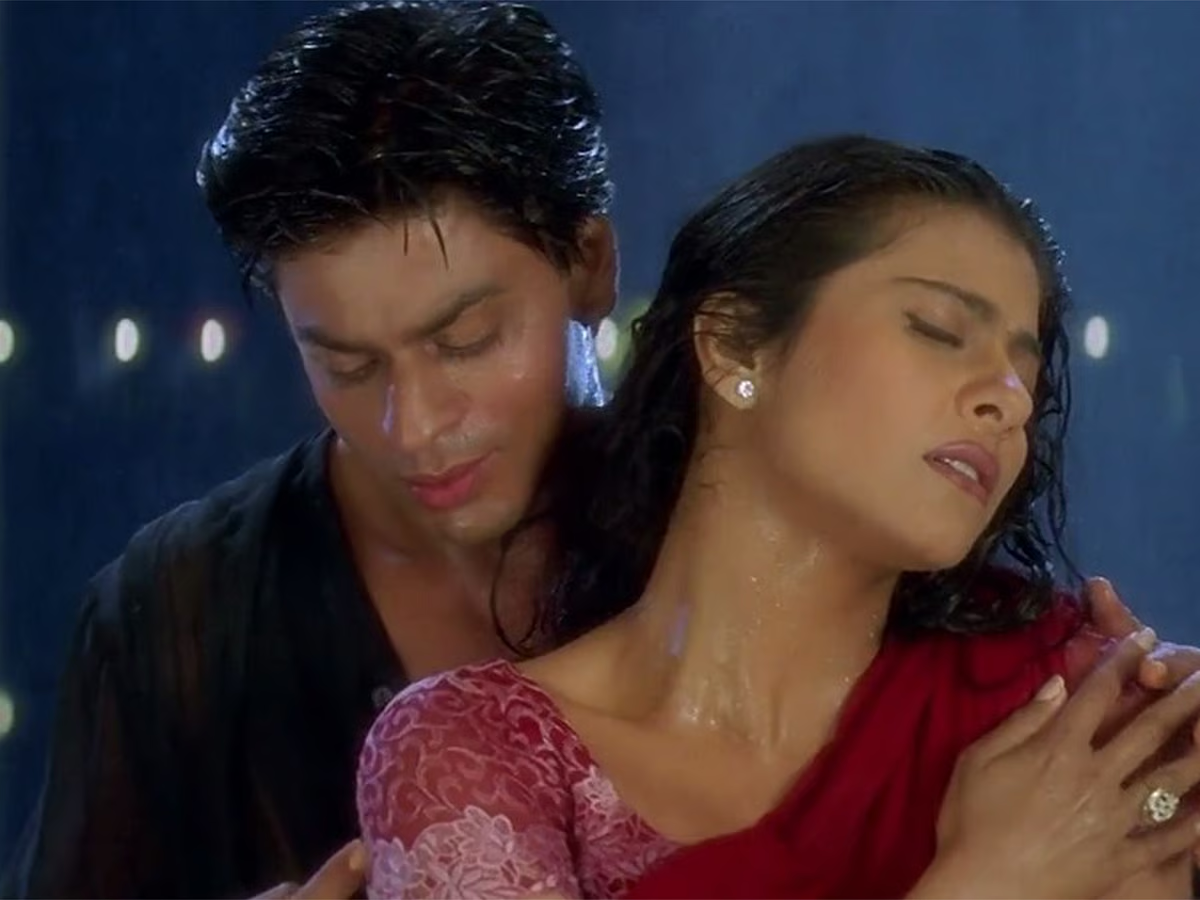

For decades, Bollywood filmmakers reliably turned to a specific cinematic trope to depict romance and emotion: the rain song. These sequences, featuring actors dancing and interacting amidst a downpour, were a staple of Hindi cinema from the 1950s through the early 2000s. While their prevalence has decreased with changing audience tastes and censorship standards, understanding why rain songs resonated so deeply for so long reveals a fascinating intersection of cultural norms, cinematic technique, and narrative flexibility.
The golden age of Hindi cinema, roughly from the 1950s to the 1970s, saw a particularly high concentration of these sequences. Locations like Mumbai’s Film City and outdoor sets were frequently transformed into rain-soaked stages. Today, industry observers are revisiting the cultural significance of these scenes as Bollywood navigates a period of evolving storytelling and increased scrutiny of on-screen intimacy.
The Enduring Appeal of Bollywood’s Rain Songs
The sustained popularity of rain songs wasn’t accidental. Several factors converged to make them a uniquely successful element of Bollywood filmmaking. One key aspect was cultural acceptability. Before the widespread availability of streaming services and the increasing openness to depictions of physical intimacy, overt displays of affection on screen were often considered controversial by a large segment of the Indian audience.
Navigating Cultural Sensitivities
Rain, however, offered a degree of plausible deniability. The wet clothing and close proximity could suggest intimacy without explicitly showing it. According to film historians, this allowed filmmakers to explore romantic themes while remaining within the bounds of societal expectations. This was particularly important during a period when the Central Board of Film Certification (CBFC) maintained strict guidelines regarding depictions of sexuality.
Additionally, the CBFC itself played a role. The visual of actors getting wet was often deemed more acceptable than direct physical contact. The rain acted as a softening agent, making potentially objectionable scenes more palatable to censors. This pragmatic consideration influenced creative decisions, encouraging filmmakers to utilize rain as a visual tool to convey romance.
Emotional Depth and Cinematic Technique
Beyond censorship and cultural norms, rain songs were effective because of their artistic merit. These sequences weren’t simply about romance; they often layered multiple emotional tones. A rain scene could simultaneously evoke feelings of joy, longing, sadness, or even conflict. This emotional multiplexing created richer, more nuanced cinematic moments.
Bollywood is fundamentally a musical cinema, and rain provided a wealth of opportunities for visual and musical enhancement. Cinematographers could utilize the reflective surfaces of wet streets, the dramatic lighting of thunder, and the delicate texture of raindrops to create visually stunning scenes. Composers, meanwhile, could incorporate the sounds of rain into their scores, adding another layer of atmosphere and emotion. The use of classical ragas often amplified the sense of longing and nostalgia.
The Power of Symbolism
The symbolic weight of rain itself contributed to the success of these songs. Rain is a universal symbol with a wide range of meanings, including cleansing, renewal, and the expression of emotions. Filmmakers skillfully leveraged this symbolic latitude, fusing the imagery of rain with themes of love, loss, and transformation. This allowed for narrative flexibility and added depth to the storytelling.
In contrast to more direct depictions of romance, the metaphorical nature of rain allowed audiences to project their own interpretations onto the scene. This ambiguity could enhance the emotional impact and make the song more relatable. The use of rain also provided a convenient plot device for characters to reveal their true feelings, often through song and dance.
However, the prevalence of rain songs began to decline in the 2000s. Changing audience tastes, increased exposure to international cinema, and a gradual liberalization of censorship standards all contributed to this shift. Modern Bollywood films often favor more explicit and realistic portrayals of romance, diminishing the need for the symbolic shorthand of the rain song. The rise of item numbers and fast-paced editing also altered the aesthetic landscape of Hindi cinema.
Meanwhile, the increasing focus on realism in storytelling has led filmmakers to question the artificiality of contrived rain sequences. Some critics have argued that these songs became formulaic and predictable, losing their emotional resonance over time. The industry is now exploring new ways to depict intimacy and emotion, moving beyond the established conventions of the past. Related trends include a greater emphasis on character development and dialogue-driven scenes.
Looking ahead, the future of the rain song in Bollywood remains uncertain. While they are unlikely to disappear entirely, their frequency will likely remain lower than in previous decades. The CBFC is currently reviewing its certification guidelines, a process expected to conclude by the end of 2024, which could potentially influence the depiction of intimacy in future films. Industry analysts will be watching to see how filmmakers adapt to these evolving standards and whether they can find new ways to utilize the symbolic power of rain in their storytelling. The continued popularity of retro-themed films and music suggests a lingering nostalgia for this classic Bollywood trope.