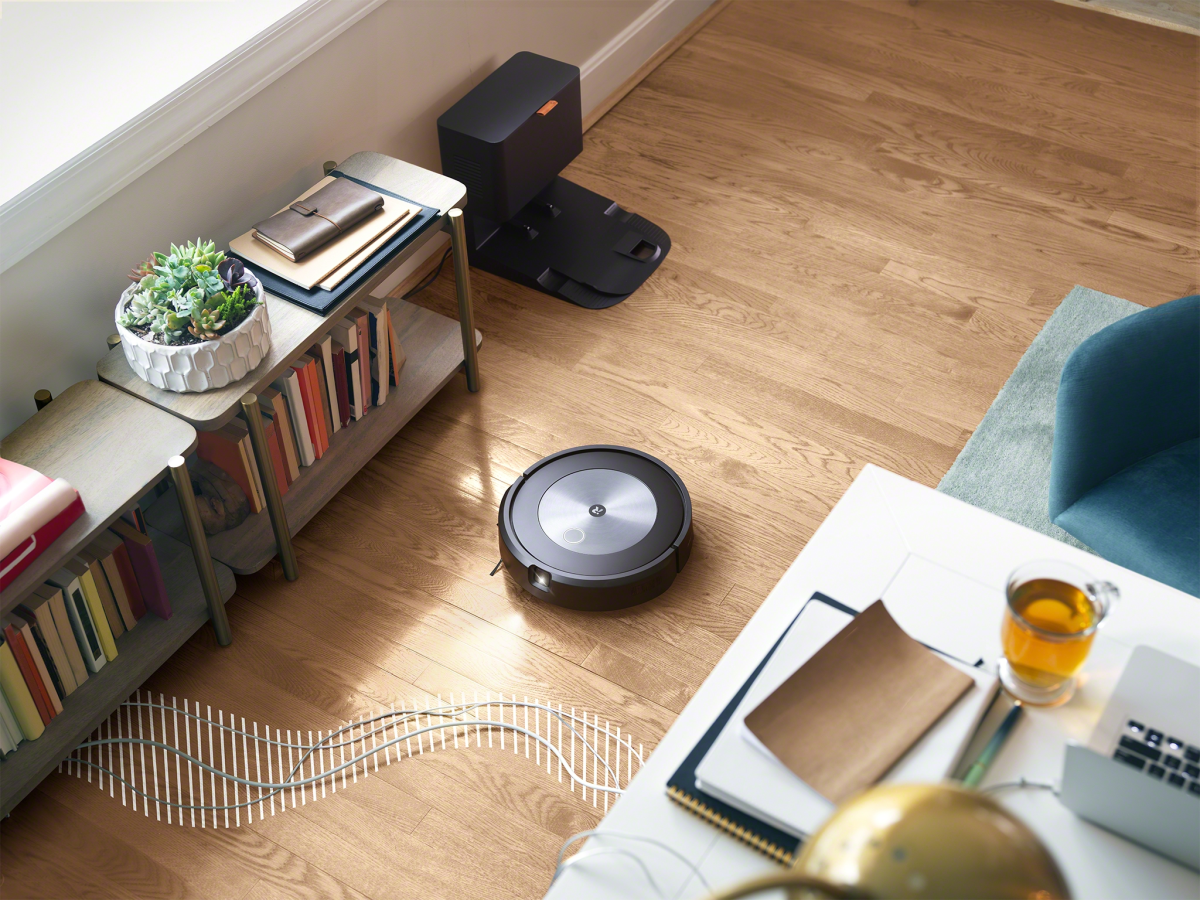

The recent bankruptcy filing of iRobot, the Massachusetts-based robotics company renowned for its Roomba robotic vacuum cleaners, has sent ripples through the tech and venture capital worlds. After 35 years in operation and over 50 million robots sold, iRobot’s downfall stemmed not from technological shortcomings or lack of consumer demand, but from regulatory hurdles that blocked a proposed acquisition by Amazon, according to founder Colin Angle. This case marks a significant moment for the future of innovation and mergers within the sector.
The company sought Chapter 11 bankruptcy protection on Sunday, a consequence of the January 2024 decision by the Federal Trade Commission (FTC) and European regulators to prevent Amazon’s $1.7 billion purchase of iRobot. The deal had been under investigation for 18 months. Angle, in a recent interview, described the process as “avoidable” and “profoundly frustrating,” arguing that the regulatory opposition stifled innovation and ultimately harmed consumers.
The Roadblock to Acquisition: A Question of Competition
At the heart of the regulatory concerns was the potential for Amazon to consolidate its position in the smart home device market. The FTC argued that the acquisition would give Amazon an unfair advantage and limit competition in the robotic vacuum space, potentially hindering the development of new and more affordable technologies. Angle, however, contends that iRobot’s market share was already declining, with newer competitors entering the arena.
According to Angle, the iRobot-Amazon union offered a path to increased innovation and consumer choice. He pointed to the significant investment iRobot made—and Amazon was forced to make—simply to navigate the lengthy investigation process, diverting resources away from product development. He further expressed concern that the FTC appears to be “celebrating” blocked mergers, a trend he believes is detrimental to economic growth.
The 18-Month Investigation: A Drain on Resources
The 18-month investigation wasn’t simply a matter of providing information; it was an exhaustive and costly undertaking. Angle estimates that over 100,000 documents were generated and submitted. The substantial financial burden, coupled with the uncertainty surrounding the deal’s approval, severely impacted iRobot’s ability to operate effectively.
Angle described a disheartening experience during his testimony, noting that FTC examiners displayed blocked deals “like trophies.” This perceived celebratory attitude toward preventing mergers strengthened his belief that the agency’s focus had shifted away from protecting consumers and fostering innovation. This perception has struck a chord with several tech entrepreneurs who fear unnecessary regulatory scrutiny.
Chilling Effect on Startups and Future M&A
The iRobot saga is widely viewed as having a chilling effect on the startup ecosystem, particularly for companies that rely on acquisition as a primary exit strategy. Venture capitalists and founders may now hesitate to pursue deals that could face similar regulatory opposition, potentially slowing down investment and innovation. This is especially true in the competitive robotics markets.
Investors and founders alike are now reevaluating their assumptions about the M&A landscape, factoring in increased risk and potentially lowering valuations for startups. The precedent set by the iRobot case creates anxiety regarding the viability of future exits, influencing both the willingness to invest and the rate of new company formation. This shift is prompting a more cautious approach to commercialization strategies as well.
iRobot’s History and the Path to the Roomba
iRobot’s origins trace back to 1988, founded by MIT roboticists with a vision of creating practical robots. For over a decade, the company focused on projects beyond consumer products, including robots deployed for military and space exploration purposes. Their technology was integrated into the Mars Pathfinder mission, earning them recognition for their contributions to space exploration. The company also built robots used in disaster recovery operations, such as following the Deepwater Horizon oil spill.
The iconic Roomba, however, didn’t emerge until 2002, twelve years after the company’s founding. The initial concept was met with skepticism, but a fortunate partnership with Pepsi, whose commercial prominently featured the Roomba being chased by a man in his boxers, catapulted the device to mainstream popularity. This resulted in a surge in sales, though the company initially struggled to meet the unexpected demand.
Navigational Choices and Competitive Pressures
A key strategic decision for iRobot revolved around its navigation technology. While competitors like Roborock and Ecovacs embraced lidar, iRobot remained committed to vision-based navigation for an extended period. Angle defended this decision, arguing that vision-based systems offered a more sophisticated long-term solution, particularly for enabling robots to understand and interact with their environment in more nuanced ways, and for future applications beyond floor cleaning.
However, this choice ultimately put iRobot at a competitive disadvantage, as rivals were able to offer lower-priced models with effective navigation. Furthermore, iRobot faced challenges in the rapidly growing Chinese market, where it was largely excluded. These factors, combined with the failed Amazon acquisition, contributed to the company’s financial difficulties.
Angle’s expertise cuts across artificial intelligence, automation and product development, all key fields in the contemporary robotics marketplace.
Looking Ahead: A New Venture and Uncertain Future
Despite the challenges, Angle remains optimistic about the future of robotics. He has already launched a new, stealth-mode company focused on building robots with enhanced “emotional sophistication” for health and wellness applications. While details are scarce, Angle suggests that this venture will prioritize robots that can effectively interact with people.
The immediate future for iRobot remains uncertain as it navigates the bankruptcy process. The company will need to restructure its debt and find a way to regain its competitive footing. Potential outcomes include a sale to another company, a strategic partnership, or a successful reorganization. Industry observers will be closely watching how iRobot’s story unfolds and what lessons can be learned from its experience.