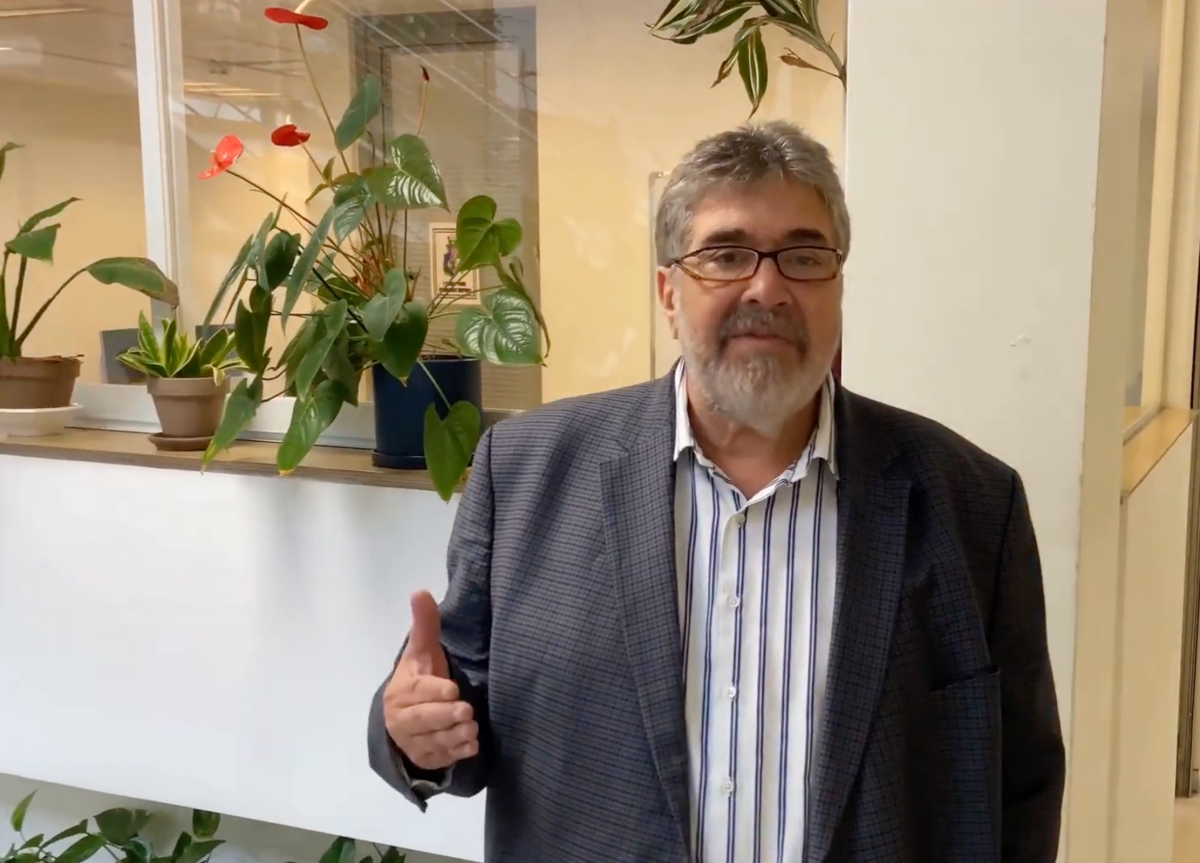

The Israeli startup ecosystem is facing a poignant moment as Jon Medved, a pivotal figure in its development, steps down from his role at OurCrowd following a diagnosis of Amyotrophic Lateral Sclerosis (ALS). Medved’s departure marks the end of an era for the venture capital firm he founded and highlights the resilience of Israel’s tech sector amidst personal and geopolitical challenges. His story underscores the growing impact of health tech, a field he actively invested in, now becoming crucial to his own well-being.
Medved announced his immediate retirement in October, explaining the debilitating effects of ALS, also known as Lou Gehrig’s disease, which progressively destroys motor neurons, leading to muscle weakness and eventual paralysis. He noted the unusual initial symptom of voice impairment, differing from the more typical onset in extremities. Despite the grim prognosis and lack of a cure, Medved remains determined to contribute to the field and the community he helped build.
The Rise of Israel’s Startup Nation and OurCrowd
For decades, Israel has cultivated a reputation as a global hub for innovation, earning the moniker “Startup Nation.” This thriving environment is fueled by a combination of factors, including mandatory military service that fosters technological expertise, a strong academic base, and a culture of risk-taking. Medved played a key role in nurturing this ecosystem, relocating from California in his 20s to establish and later sell several tech companies before turning to venture capital.
In 2013, he founded OurCrowd, pioneering a new model of venture capital through crowdsourcing. This approach opened investment opportunities to a wider range of accredited investors – including doctors, lawyers, and individuals beyond traditional VC networks – across Asia, Europe, the Middle East, and North America, amassing a network of over 240,000 investors in 195 countries. OurCrowd has invested in prominent companies like Anthropic, Beyond Meat, and Lemonade, achieving 74 exits to date, including a recent $525 million sale of Locusview to Itron.
Resilience Amidst Conflict
Despite ongoing conflict in Gaza and the resulting global attention on the region, Israel’s tech industry has demonstrated remarkable strength. According to Medved, approximately $800 million was invested in Israeli ventures within a single week in November. The country currently boasts nearly 100 unicorn companies – privately held startups valued at over $1 billion – and is estimated to have attracted between $15 billion and $16 billion in venture funding throughout the year.
Israel remains a leader in critical technology areas, including cybersecurity, defense tech, artificial intelligence, microchips, enterprise software, and food technology. This continued investment and innovation are vital to the nation’s economy and global technological advancement.
Health Tech Takes on a Personal Significance
Ironically, the health tech companies Medved invested in are now providing solutions to improve his own quality of life. He has commissioned a highly realistic digital avatar, created using technology from OurCrowd portfolio companies D-ID and ElevenLabs, in partnership with the Scott-Morgan Foundation. This avatar preserves his voice, facial expressions, and mannerisms, offering a way to maintain communication as ALS progresses.
Medved recently experienced the avatar’s capabilities during a Zoom call with another individual living with ALS, highlighting the profound impact of this technology. He also emphasized the breadth of health tech investments made by OurCrowd, including companies focused on AI-driven cancer treatment selection (OncoHost), genomic sequencing, and chronic disease management.
“I tell you now as a once-healthy person… I felt human pain and disease, but once you are actually engaged in one of these nasty diseases, it changes your perspective,” Medved shared, underscoring the personal connection he now feels to the health tech sector.
While stepping down from his operational role at OurCrowd, Medved intends to remain involved in the startup community. He expressed a desire to continue contributing to both OurCrowd and the broader ecosystem, refusing to retreat quietly. He views his past investments as a source of pride, recognizing the role he and OurCrowd played in fostering innovation.
Looking ahead, Medved’s experience is likely to further galvanize investment and development in assistive technologies and treatments for neurodegenerative diseases. The ongoing conflict in the region remains a significant uncertainty, potentially impacting investment flows and talent acquisition. However, the underlying strength of Israel’s tech ecosystem and its commitment to innovation suggest it will continue to be a major force in the global technology landscape.