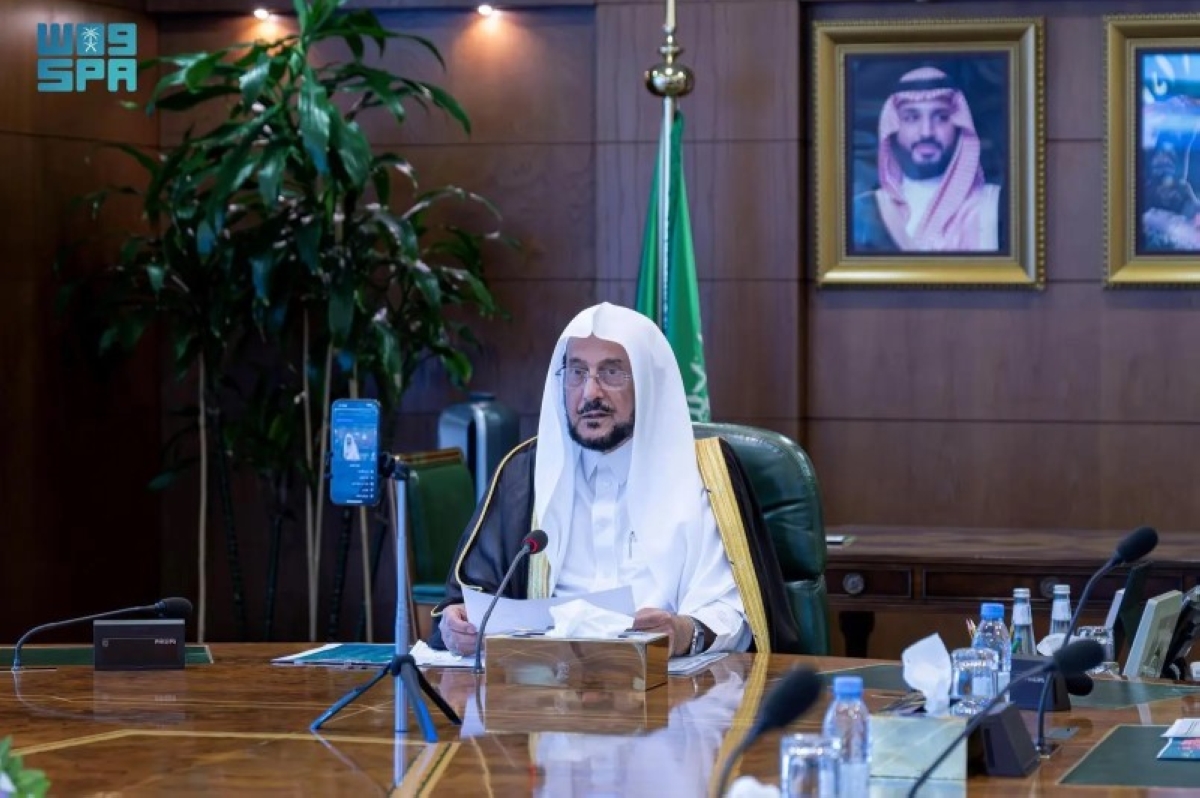

Saudi Arabia’s Ministry of Islamic Affairs, Call and Guidance has announced the opening of applications for 31,000 mosque imam and muezzin positions nationwide. These part-time roles are intended to bolster religious services and administrative capacity across the Kingdom, representing a significant expansion of the ministry’s workforce. Applications are now being accepted through regional ministry branches.
The announcement, made by Minister Sheikh Abdullatif Al-Sheikh on Friday, follows the completion of a large-scale recruitment initiative and aligns with the goals of Saudi Arabia’s Vision 2030. The positions are exclusively for Saudi citizens and offer a remuneration system allowing for dual employment. This move aims to improve the quality of services provided at mosques throughout the country.
Expanding Religious Leadership: The New Imam Roles
The creation of these 31,000 mosque imam and muezzin positions is the culmination of the National Employment Plan, according to the ministry. This plan has resulted in a total of 91,000 jobs, encompassing 60,000 previously filled roles and the newly announced openings. The initiative underscores the Saudi government’s commitment to strengthening religious institutions and providing employment opportunities for its citizens.
A Focus on Administrative and Technical Improvement
Minister Al-Sheikh emphasized that the new positions will positively impact the administrative and technical capabilities of the ministry and its regional branches. The part-time nature of the roles is a key feature, allowing individuals to maintain other employment while serving their communities. This flexibility is expected to attract a wider pool of qualified applicants.
The ministry has already completed what it describes as its largest recruitment project to date, appointing 60,000 male and female citizens across all its branches. This prior wave of hiring focused on a broad range of administrative and support roles within the ministry. However, the current focus is specifically on strengthening the religious leadership within mosques.
The move comes as Saudi Arabia continues to implement its Vision 2030 plan, a strategic framework aimed at diversifying the economy and modernizing the country. Increased investment in religious infrastructure and personnel is seen as a component of this broader societal development. The plan also includes initiatives related to cultural heritage and tourism.
The Ministry of Islamic Affairs plays a crucial role in overseeing religious affairs within Saudi Arabia, including the management of mosques, the regulation of religious education, and the promotion of Islamic values. The ministry also oversees the Hajj and Umrah pilgrimages, which are central to the Kingdom’s identity and economy.
The availability of these positions is expected to address potential shortages in religious leadership, particularly in rapidly growing urban areas. Additionally, the ministry hopes to enhance the quality of sermons and religious guidance provided to the public. The selection process will likely prioritize candidates with strong religious knowledge and communication skills.
The ministry has not yet released detailed criteria for applicant selection, but it is anticipated that candidates will be required to demonstrate proficiency in Quranic recitation, Islamic jurisprudence, and the principles of mosque administration. A thorough vetting process is also expected to ensure the suitability of applicants for these sensitive roles. Religious leadership positions in Saudi Arabia carry significant responsibility.
In contrast to some other recent government employment initiatives, these positions are specifically targeted towards Saudi nationals. This aligns with the Kingdom’s broader Saudization policies, which aim to increase the participation of Saudi citizens in the workforce. The ministry stated that the positions are intended to benefit the Saudi population directly.
Meanwhile, the Ministry of Human Resources and Social Development is also implementing programs to enhance the skills and employability of Saudi citizens. These programs are designed to prepare individuals for a range of career opportunities, including those within the religious sector. The collaboration between ministries is intended to create a more skilled and competitive workforce.
The application process will be managed through the ministry’s regional branches, allowing for localized recruitment efforts. This decentralized approach is intended to ensure that the positions are filled by individuals who are familiar with the specific needs of their communities. The ministry has encouraged qualified citizens to apply promptly.
The deadline for applications has not yet been announced, but the ministry indicated that it will be communicated through official channels. Potential applicants are advised to monitor the ministry’s website and social media accounts for updates. The ministry will likely provide guidance on the required documentation and application procedures. Imam recruitment is a priority for the ministry.
Looking ahead, the ministry will likely focus on providing training and support to the newly appointed imams and muezzins. This will ensure that they are equipped with the skills and knowledge necessary to effectively fulfill their roles. The long-term impact of this initiative on the quality of religious services in Saudi Arabia remains to be seen, but it represents a significant investment in the Kingdom’s religious infrastructure.