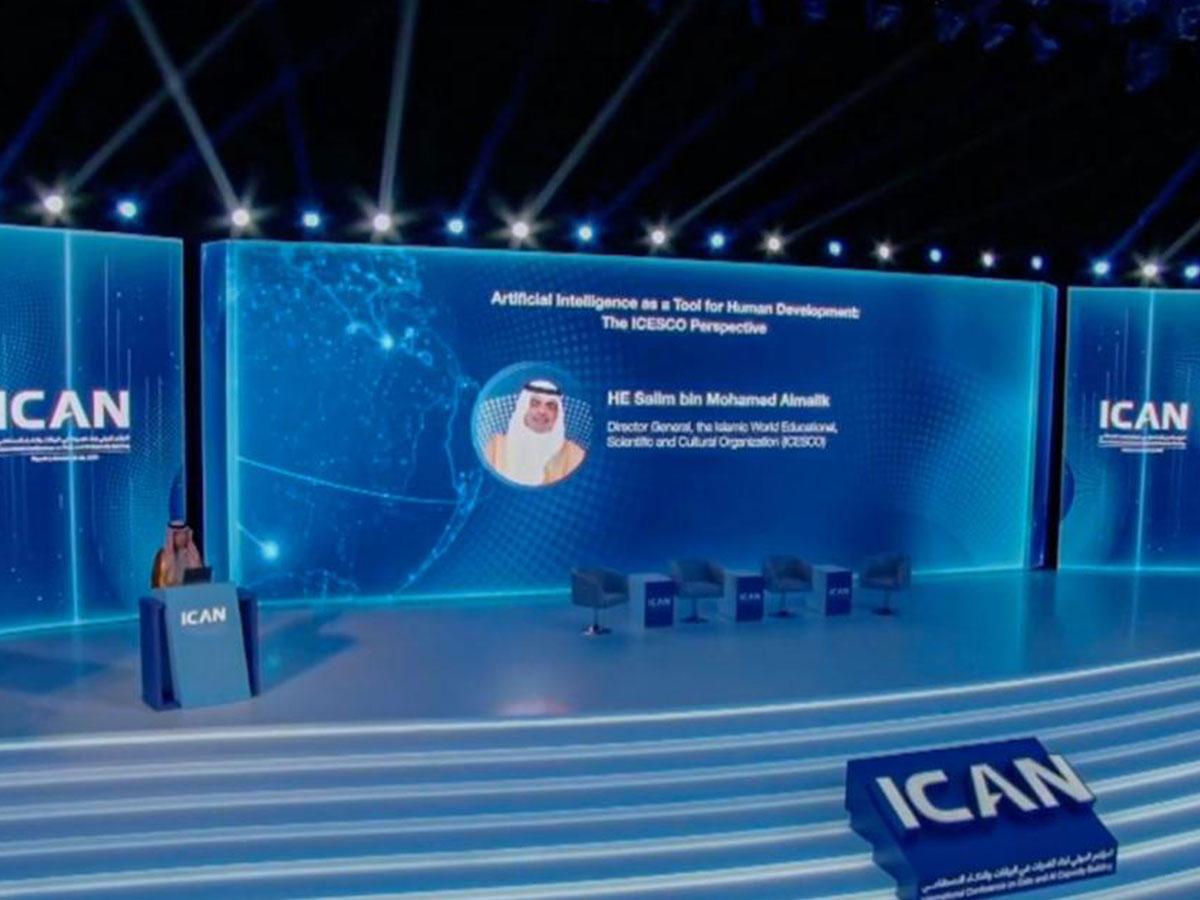

The Islamic World Educational, Scientific and Cultural Organization (ISESCO) is urging its member states to proactively integrate artificial intelligence (AI) into their education systems. This call to action, made during the International Conference on Capacity Building in Data and Artificial Intelligence (ICAN 2026) in Riyadh, Saudi Arabia, emphasizes the need for ethical frameworks aligned with the recently launched Riyadh Charter. The move reflects a growing global recognition of AI’s transformative potential and the necessity for preparedness.
Dr. Salem bin Mohammed Al Malik, Director-General of ISESCO, highlighted the importance of this integration on Wednesday, stating that AI represents a new platform for improving quality of life, expanding employment opportunities, and bolstering effective governance. The conference, organized by the Saudi Data and Artificial Intelligence Authority (SDAIA) in partnership with King Saud University and the Human Capacity Development Program, brought together experts from over 50 organizations to discuss the future of AI in education and the workforce.
The Rise of Artificial Intelligence in Education
The integration of artificial intelligence into education is no longer a futuristic concept, but a rapidly approaching reality. According to industry analysts, AI-powered tools can personalize learning experiences, automate administrative tasks, and provide educators with valuable insights into student performance. However, successful implementation requires careful planning and consideration of ethical implications.
ISESCO’s emphasis on the Riyadh Charter for Artificial Intelligence in the Islamic World underscores this ethical dimension. The charter, developed in collaboration with SDAIA, aims to guide the responsible development and deployment of AI technologies, ensuring they serve humanity and promote sustainable development. This framework addresses concerns surrounding data privacy, algorithmic bias, and the potential for misuse of AI.
Preparing for a Changing Job Market
Dr. Al Malik also cautioned about the disruptive impact of AI on the labor market. The increasing automation capabilities of AI are expected to lead to the decline of some traditional jobs, while simultaneously creating new roles demanding different skill sets. This necessitates a proactive approach to workforce development and continuous training initiatives.
The need for reskilling and upskilling programs is a key theme in discussions surrounding the future of work. Governments and educational institutions are increasingly focused on equipping individuals with the skills needed to thrive in an AI-driven economy, including data analysis, critical thinking, and creativity. The focus is shifting towards lifelong learning to adapt to evolving job requirements.
ISESCO AI Index: A Tool for Assessment
To support member states in their AI preparedness efforts, ISESCO presented its AI Index for the Islamic World at the conference. Dr. Qais Al Hamami, Director of the Center for Foresight and Artificial Intelligence at ISESCO, explained that the index serves as a practical tool for assessing current capabilities, identifying gaps in infrastructure and expertise, and informing policy decisions related to artificial intelligence.
The index reportedly considers factors such as research and development investment, digital infrastructure, human capital, and regulatory frameworks. By providing a benchmark for progress, the ISESCO AI Index aims to foster collaboration and accelerate the adoption of AI technologies across the Islamic world. Data science and machine learning are key areas of focus within the index.
The push for AI integration extends beyond education, with Saudi Arabia itself investing heavily in the technology as part of its Vision 2030 plan. This national strategy aims to diversify the economy and position the Kingdom as a global hub for innovation, including in the fields of data and artificial intelligence. The country is actively seeking partnerships with international organizations and companies to achieve these goals.
Looking ahead, ISESCO is expected to work with its member states to develop specific implementation plans for integrating AI into educational curricula. The timeline for these plans remains uncertain, and will likely vary depending on the individual resources and priorities of each country. Monitoring the progress of the ISESCO AI Index and the adoption of the Riyadh Charter will be crucial indicators of the region’s commitment to responsible AI development and its impact on future generations.
The successful integration of artificial intelligence will require sustained investment, collaboration, and a commitment to ethical principles. The ongoing discussions and initiatives, such as those highlighted at ICAN 2026, are vital steps in navigating this complex landscape and harnessing the potential of AI for the benefit of all.