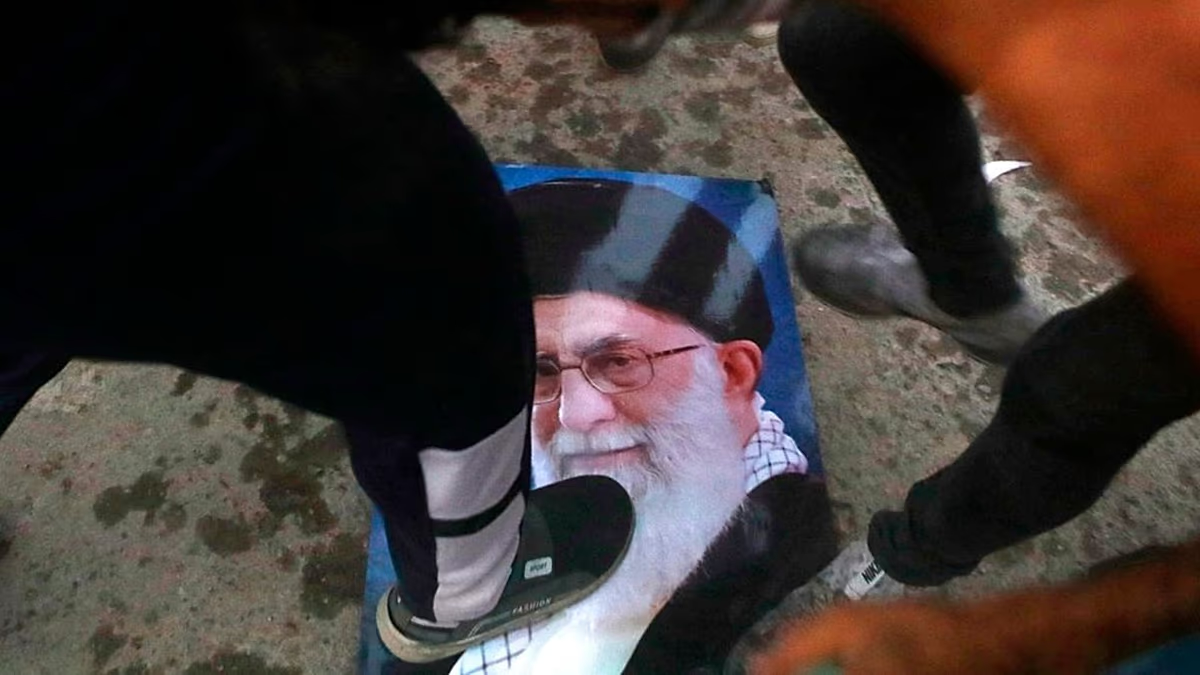

Recent protests in Iran have taken a defiant turn, with women publicly burning images of Ayatollah Ali Khamenei and engaging in acts challenging the Islamic Republic’s strict social codes. This escalation follows a pattern of demonstrations sparked by political grievances and economic hardship, but increasingly focuses on rejecting the authority of the ruling regime and asserting women’s rights. The acts, widely shared on social media, represent a new level of boldness in opposition to the government.
The initial acts of defiance, like the November 2025 incident where Omid Sarlak burned a photograph of Khamenei before being found dead, were mirrored by others. Samad Pourshah, a former political prisoner, followed suit the same month, narrowly avoiding arrest and going into hiding. These isolated incidents, fueled by anger over the government’s response, have now evolved into a widespread form of protest.
Escalating Iran Protests: Beyond Symbolic Rejection
Previously, demonstrations, particularly after the death of Mahsa Amini in 2022, centered around visible symbols of resistance like cutting hair and removing headscarves. These actions were seen as a rejection of the system’s restrictive policies towards women. Now, protesters are adding fuel to fire – literally – by burning the supreme leader’s portrait and using the flames to light cigarettes, an act often stigmatized within Iranian society.
This combination of symbolism is significant. It combines political dissent with a challenge to social norms imposed on women, representing a dual rejection of the regime’s control. The rapid dissemination of these videos on social media platforms demonstrates the difficulty Iranian authorities face in controlling the narrative and suppressing the movement.
The “Woman, Life, Freedom” movement, initially sparked by Amini’s death, experienced brutal suppression, resulting in over 500 deaths and more than 19,400 arrests in its first four months, according to numerous human rights reports. However, the core struggle for basic rights didn’t disappear with the street demonstrations.
Resistance Shifts to Symbolic Acts
Instead, resistance transformed into a series of increasingly daring symbolic actions. These include appearing in public without the hijab, knocking turbans off the heads of clerics, and participating in sporting events like marathons without adhering to dress codes. Perhaps the most striking examples include instances of public nudity, such as the protests at Azad University in Tehran and a separate incident involving a woman atop a police vehicle.
These acts extend beyond the capital city, with reports indicating similar defiance across the country. The protests have also spread to schools, with female students chanting slogans against the government – a previously unheard-of occurrence in post-1979 Iran.
The government’s response to the school protests included arrests, but it seemingly failed to quell the unrest. A concerning and related development emerged in 2023 with widespread reports of poisonings in girls’ schools across Iran.
Over 800 students in at least 15 cities reportedly fell ill with symptoms including respiratory problems, heart palpitations, and loss of consciousness. While the Ministry of Health identified a “very mild poison,” initial statements from officials, including a deputy health minister suggesting the poisonings aimed to shut down girls’ schools, were later retracted.
The Iranian government has consistently denied responsibility for the poisonings, and investigations have failed to identify the perpetrators. This lack of accountability has only fueled further distrust and resentment towards the authorities.
As the economic situation in Iran continues to deteriorate, the frequency and boldness of these protests are likely to continue. The ongoing struggle is a testament to the resilience of Iranian women and their determination to achieve greater freedoms and rights. Analysts will be watching closely to see if these increasingly defiant acts translate into larger, coordinated challenges to the regime in the months ahead and the impact of this growing dissent on Iran’s political landscape.