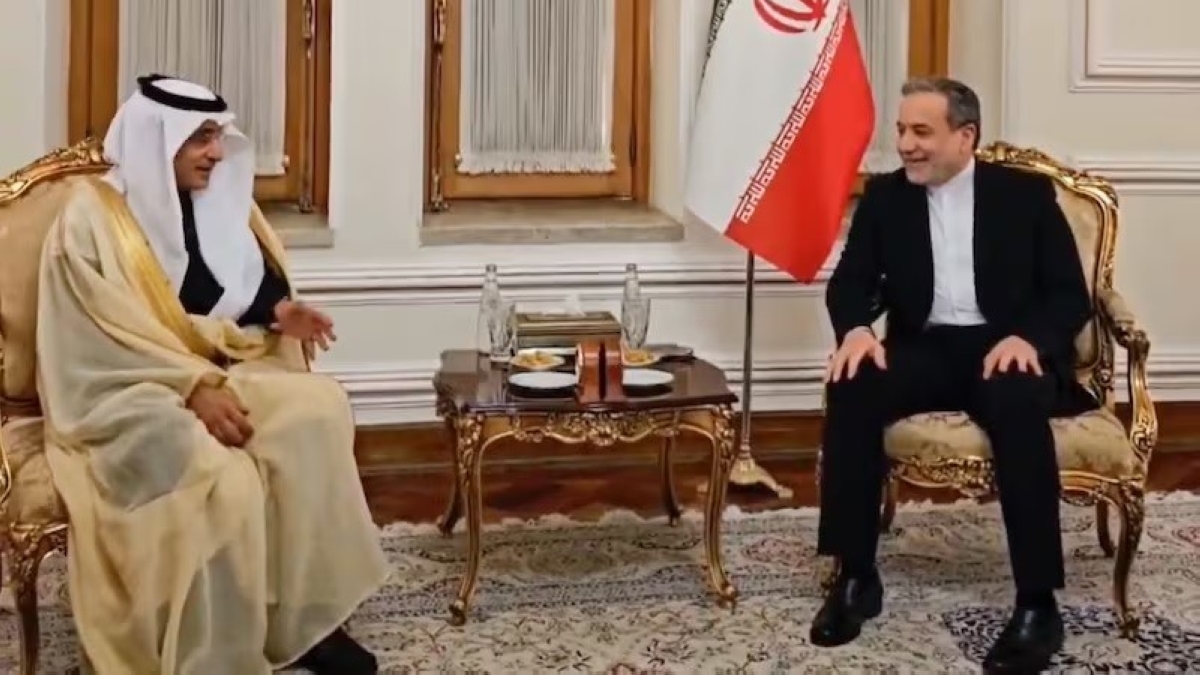

Tehran played host to a significant diplomatic meeting on Sunday as Iranian Foreign Minister Ali Bagheri Kani received Saudi Arabian Deputy Foreign Minister for Political Affairs Dr. Saud Al-Sati. The meeting, held at the Iranian Foreign Ministry headquarters, focused on bolstering Iran-Saudi relations and addressing shared concerns regarding regional stability. This marks a further step in the ongoing efforts to mend ties between the two Middle Eastern powers following a recent thaw.
The discussions centered on practical steps to enhance bilateral cooperation and a comprehensive exchange of perspectives on pressing regional and international challenges. According to a statement released by the Iranian Foreign Ministry, both sides expressed a commitment to continued dialogue and a constructive approach to resolving outstanding issues. The meeting took place amidst broader diplomatic initiatives aimed at de-escalating tensions in the region.
Strengthening Iran-Saudi Relations: A New Chapter
The meeting between Bagheri Kani and Al-Sati represents a tangible outcome of the diplomatic efforts initiated earlier this year, brokered primarily by China. These efforts led to a landmark agreement in March to restore diplomatic relations severed in 2016. The restoration followed years of proxy conflicts and deep-seated political and religious differences.
However, rebuilding trust and establishing a functional working relationship requires sustained engagement. This latest meeting signals a willingness from both Tehran and Riyadh to move beyond the initial agreement and address the complexities of their relationship. The focus on practical cooperation suggests a desire to translate political goodwill into concrete benefits for both nations.
Key Areas of Discussion
While details of the discussions remain limited, the Iranian Foreign Ministry indicated that several key areas were addressed. These included:
Regional Security: Both sides reportedly exchanged views on ongoing conflicts and security challenges in the Middle East, including the situation in Yemen, Syria, and Iraq. A shared interest in de-escalation and promoting stability was emphasized.
Economic Cooperation: The potential for increased trade and investment between Iran and Saudi Arabia was also on the agenda. Boosting economic ties could provide mutual benefits and contribute to regional economic integration. This is particularly relevant given Saudi Arabia’s “Vision 2030” diversification plan and Iran’s need for foreign investment.
Political Coordination: Discussions also touched upon opportunities for greater political coordination on issues of mutual concern within international forums. This could involve aligning positions on regional conflicts and collaborating on diplomatic initiatives.
Meanwhile, analysts suggest that the meeting also served as a platform to address lingering concerns and misperceptions. The restoration of diplomatic ties does not automatically erase years of mistrust and rivalry. Open communication and a willingness to compromise are crucial for overcoming these obstacles.
In contrast to the previous period of strained relations, both Iran and Saudi Arabia appear to be prioritizing dialogue and diplomacy. This shift in approach is partly driven by a recognition of the shared challenges facing the region, including economic instability, terrorism, and external interference. Additionally, the evolving geopolitical landscape, including the changing role of the United States, may be influencing their respective strategies.
The meeting also comes at a time of heightened tensions elsewhere in the Middle East, particularly concerning the conflict between Israel and Hamas. The report indicates that both Iran and Saudi Arabia expressed concern over the escalating violence and called for a ceasefire and a peaceful resolution. Their shared stance on this issue could potentially facilitate a coordinated diplomatic effort to address the crisis.
The resumption of diplomatic relations between Iran and Saudi Arabia has broader implications for regional dynamics. It could potentially lead to a reduction in sectarian tensions and a more stable and cooperative environment. However, significant challenges remain, including the ongoing proxy conflicts in Yemen and Syria, and the differing geopolitical interests of the two countries. The role of other regional actors, such as the United Arab Emirates and Qatar, will also be crucial in shaping the future of the region.
Looking ahead, the next step will likely involve the implementation of the agreements reached in March, including the reopening of embassies and the resumption of consular services. The timing of these developments remains uncertain, as logistical and political hurdles need to be overcome. Observers will be closely watching for further high-level meetings and concrete steps towards strengthening Iran-Saudi relations and fostering greater regional cooperation. The success of this diplomatic initiative will depend on the sustained commitment of both sides to dialogue, compromise, and a shared vision for a more stable and prosperous Middle East. Further discussions on bilateral trade and regional stability are anticipated in the coming months.