
Award-winning Iranian filmmaker Jafar Panahi has been sentenced to one year in prison and a travel ban by Iranian authorities, his lawyer announced Monday. The sentencing comes as Panahi was in New York City receiving accolades for his latest film, It Was Just An Accident, a project reportedly shot illegally within Iran. This development highlights the ongoing challenges faced by artists and filmmakers critical of the Iranian government.
Jafar Panahi’s Latest Sentence and Artistic Resistance
The one-year prison sentence and accompanying travel ban were issued on Monday, according to Panahi’s lawyer. This is not the first time the internationally recognized director has faced legal repercussions for his work and political views. Panahi has a long history of run-ins with the Iranian government, stemming from his films’ critical portrayal of societal issues and the political climate.
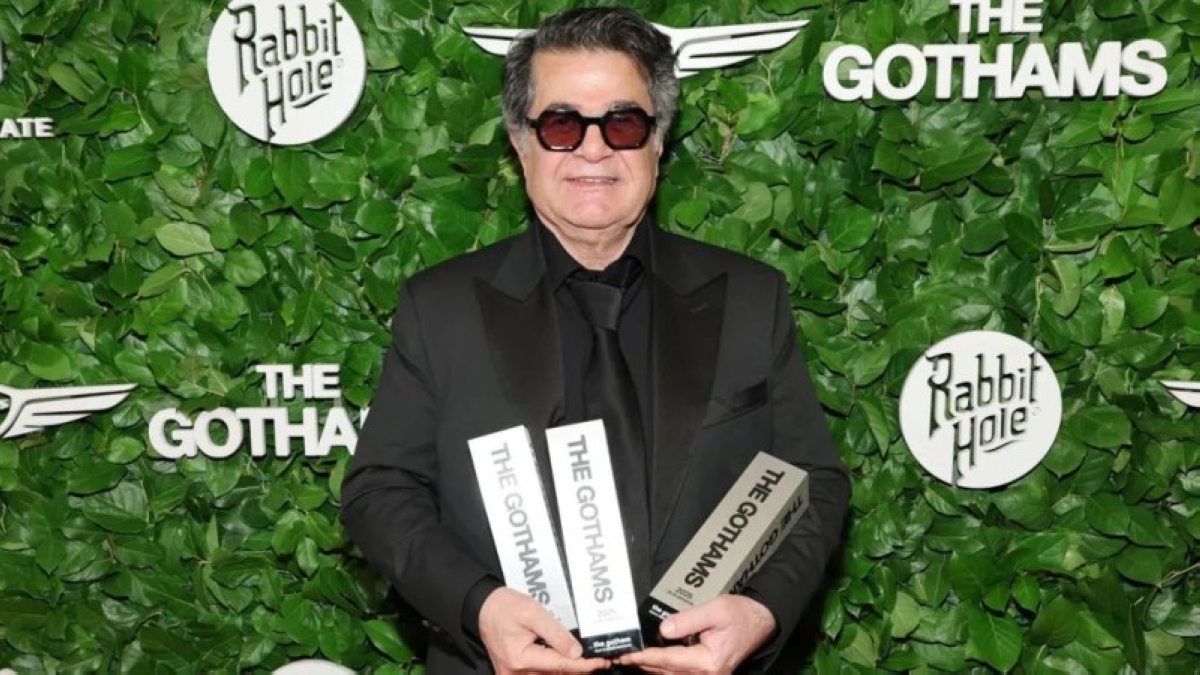
Despite the new sentence, Panahi was present at the Gotham Awards in New York, where It Was Just An Accident received three major awards: Best Director, Best Screenplay, and Best International Film. The film, which explores themes of justice and accountability through the story of five individuals confronting a man they believe was a jailer, was covertly filmed within Iran.
Background on Panahi’s Previous Imprisonments
Panahi previously served time in prison in 2010 after being sentenced to six years for allegedly supporting anti-government protests and creating propaganda against the system. He was released on bail after two months. He was also jailed in 2022 following protests over the detention of other filmmakers, serving seven months of a six-year sentence.
It Was Just An Accident is expected to be a strong contender during the upcoming awards season, including the Oscars. The film reportedly draws inspiration from Panahi’s own experiences and the stories of other prisoners regarding the violence and brutality perpetrated by the Iranian government.
During his Gotham Awards acceptance speech, Panahi did not directly address his sentencing. However, he offered a tribute to filmmakers working under difficult circumstances, praising those who “keep the camera rolling in silence, without support, and at times, by risking everything they have.” He expressed hope that their dedication would be recognized, even when they are “deprived of the right to see and to be seen.”
The director’s commitment to filmmaking within Iran, despite facing significant restrictions, has become a symbol of artistic freedom and resistance. In a recent interview with the Financial Times, Panahi stated his unwillingness to leave Iran permanently, even after being urged to do so by fellow exiles. He questioned what further actions the authorities could take against him, suggesting a defiant acceptance of the risks involved in his work.
This latest sentencing is likely to draw further international criticism of Iran’s treatment of artists and its suppression of free expression. Concerns regarding human rights in Iran have been consistently raised by organizations like Human Rights Watch and Amnesty International. The situation also underscores the challenges of independent Iranian cinema and the lengths to which filmmakers must go to continue their craft.
The timing of the sentence, coinciding with international recognition of his work, is seen by many as a deliberate attempt to undermine Panahi’s influence and discourage others from challenging the regime. The film’s potential success at the Oscars could further amplify this message, making the outcome of his legal case a closely watched event.
Panahi’s lawyer has indicated plans to appeal the sentence. The next steps involve formalizing the appeal and awaiting a response from the Iranian judicial system. The timeline for a decision remains uncertain, and the situation will continue to be monitored by international organizations and the global film community.