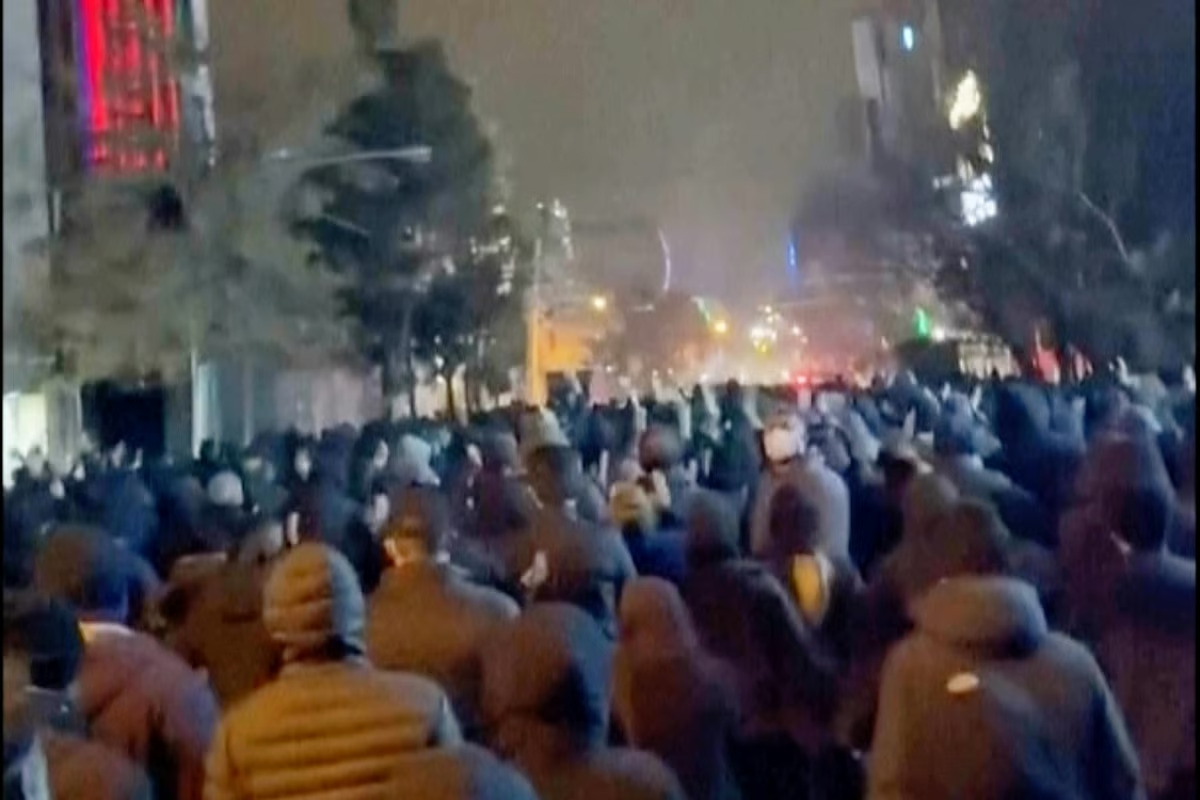

A widespread internet shutdown has crippled connectivity across Iran, coinciding with ongoing nationwide protests. Reports from multiple web monitoring firms indicate a near-total disruption of access to the global internet, impacting citizens and hindering information flow. The outage began Thursday and represents a significant escalation in the government’s response to demonstrations sparked by economic hardship.
Iran Internet Shutdown: A Response to Growing Protests
The disruption began around 11:30 a.m. Eastern Time on Thursday, or 8:00 p.m. local time in Tehran, according to Kentik, a company specializing in internet traffic analysis. Amir Rashidi, an Iranian cybersecurity researcher with the Miaan Group, stated that the country is now “at a near-total disconnection from the outside world.” This assessment was corroborated by NetBlocks and Cloudflare, who also registered substantial drops in internet connectivity throughout Iran.
While a small amount of traffic continues to flow, David Belson, head of data insight at Cloudflare, affirmed that the country is “effectively completely offline.” This blackout impacts not only individual Iranians but also businesses and international organizations relying on communication with the nation.
Economic Grievances Fuel Demonstrations
The protests initially erupted in late December, driven by mounting economic frustrations. A significant decline in the value of the Iranian currency has led to shortages of essential goods and a dramatic increase in prices, impacting the daily lives of many citizens. Reports indicate that some shops in Tehran’s traditional bazaar have remained closed for over ten days as a result of the unrest.
The Iranian government has responded to the protests with a forceful crackdown, employing measures to suppress dissent. The timing of the internet shutdown suggests a deliberate attempt to further control the situation and limit the ability of protesters to organize and share information.
History of Internet Restrictions in Iran
Iran has a long history of restricting internet access, particularly during periods of political unrest. The government routinely filters websites and social media platforms, and has previously implemented localized internet shutdowns. However, the current outage appears to be far more extensive than previous measures, effectively isolating the country from the global network.
This level of disruption raises concerns about freedom of expression and access to information within Iran. Observers note that limiting internet access can hinder the ability of journalists and human rights organizations to document and report on events unfolding on the ground. The government maintains tight control over the country’s digital infrastructure, allowing it to implement such measures with relative ease.
The motivations behind the internet shutdown are likely multifaceted. Beyond suppressing protests, the government may also be attempting to prevent the dissemination of information that could further destabilize the situation. Additionally, restricting access to social media platforms can limit the coordination of demonstrations and hinder the ability of protesters to communicate with the outside world.
Attempts to reach representatives for the Iranian government in the United States for comment have been unsuccessful. The Iranian Foreign Ministry’s website was also reported as being inaccessible at the time of publication, further illustrating the extent of the internet blackout. The situation highlights the growing trend of governments utilizing internet controls as a tool for political suppression, a practice often referred to as digital sovereignty.
The duration of the outage remains uncertain. While past shutdowns have been relatively short-lived, the current situation appears more prolonged. Analysts are watching for any signs of easing restrictions or a return to normalcy in internet connectivity. The long-term implications of this internet shutdown on the Iranian economy and political landscape are also yet to be seen, and will depend on the government’s response to the ongoing protests and the international community’s reaction to the disruption of information access.