
The 7th Qatar International Arts Festival opened yesterday at Katara Cultural Village in Doha, showcasing the work of over 500 artists from 83 countries. The festival, running until December 12, is being held alongside the FIFA Arab Cup Qatar 2025, aiming to create a synergy between sporting events and cultural expression. This year’s event highlights Qatar’s commitment to becoming a global hub for arts and culture, attracting both established and emerging talent.
The inauguration was attended by numerous ambassadors, media representatives, and invited guests, signaling the festival’s growing international prominence. Organized by Katara in collaboration with MAPS International, the festival provides a platform for artists to exhibit and sell their work, fostering cross-cultural dialogue and artistic innovation. The event also features a concurrent Football Memorabilia Exhibition, further tying into the spirit of the Arab Cup.
A Celebration of Global Art at the Qatar International Arts Festival
The Qatar International Arts Festival has evolved into a significant event on the international art calendar since its inception. According to organizers, the festival’s core mission is to promote artistic excellence and facilitate understanding between diverse cultures. This year’s broad international representation underscores Qatar’s increasing role in supporting and showcasing global creativity.
Expanding Cultural Exchange
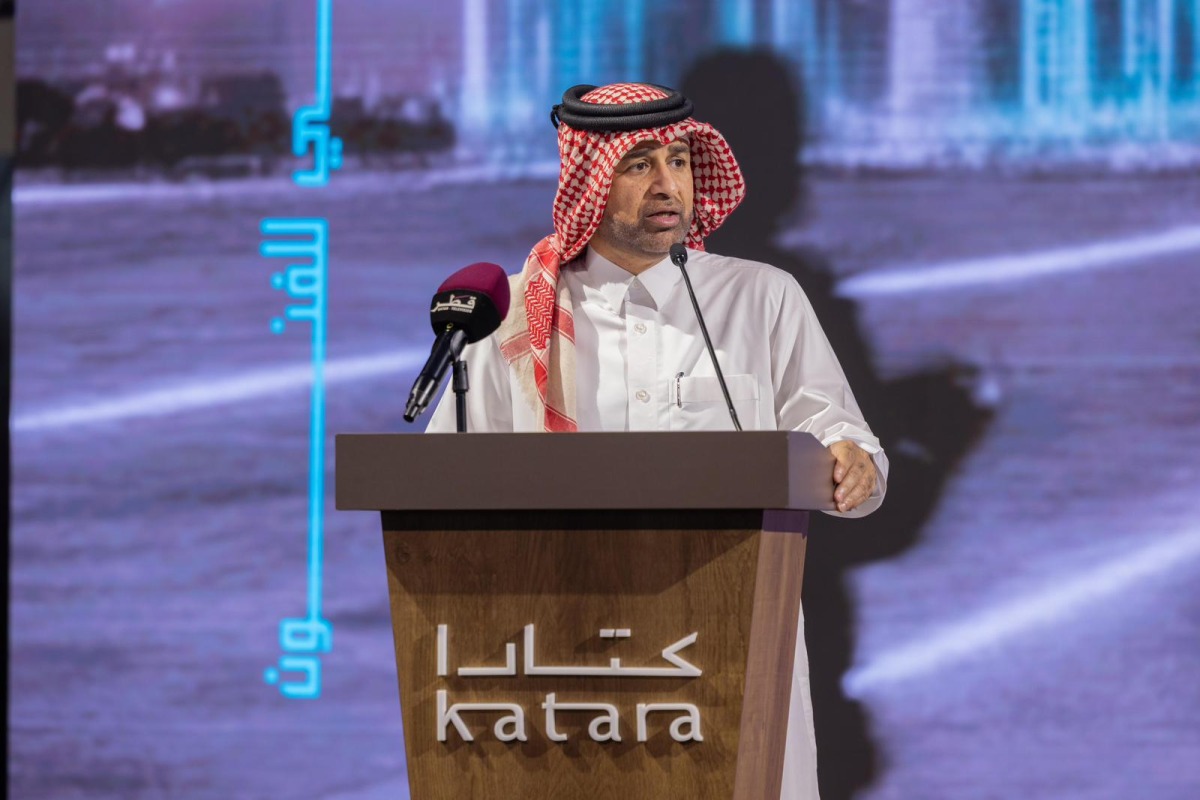
Prof. Dr. Khalid bin Ibrahim Al-Sulaiti, General Manager of the Katara Cultural Village Foundation, emphasized the festival’s importance as a space where artistic experiences converge and communication is built through art. He stated the event celebrates artistic excellence and promotes human values through dialogue and mutual understanding. This aligns with Qatar’s broader national vision to invest in cultural diplomacy.
Rashmi Agarwal, Founder and President of MAPS International, praised Katara’s dedication to supporting artists worldwide. She highlighted the festival as a “global forum where cultures converge,” emphasizing art’s ability to transcend geographical and linguistic barriers. The partnership between Katara and MAPS International has been instrumental in the festival’s growth and reach.
Football and Art: A Unique Combination
Alongside the main art festival, Katara opened the Football Memorabilia Exhibition at Building 18, Hall 2. The exhibition, featuring the Ahmed Jaber Al-Kuwari Collection and contributions from Majid Mohammed Al-Shuqairi, offers a nostalgic journey for football fans. Original player jerseys, sports shoes, and other rare items associated with the Arab Cup are on display.
Innovative murals depicting key moments from the tournament further enhance the exhibition, blending the worlds of sport and art. This pairing is a deliberate effort to capitalize on the increased visitor numbers to Qatar for the FIFA Arab Cup, exposing a wider audience to the country’s cultural offerings. The exhibition provides a unique perspective on the history of the Arab Cup and its cultural impact.
Additionally, the Katara Corniche continues to host a series of events connected to the Arab Cup, including artistic performances and interactive activities. These events are designed to engage visitors of all ages and backgrounds, creating a vibrant atmosphere throughout the cultural village. The Corniche events are proving popular, drawing large crowds and contributing to the overall festive mood.
The presence of so many international artists and visitors during the festival is expected to boost Qatar’s tourism sector and enhance its reputation as a cultural destination. The event also provides opportunities for local artists to network and collaborate with their international peers, fostering further artistic development. Qatar’s investment in cultural infrastructure, like Katara, is seen as a key component of its economic diversification strategy.
The Qatar International Arts Festival is scheduled to conclude on December 12th. Organizers will likely assess visitor feedback and participation rates to inform planning for future iterations of the event. The long-term impact of the festival on Qatar’s art scene and its ability to attract international talent remains to be seen, but early indicators suggest a positive trajectory. Further developments regarding potential expansions or new initiatives related to the festival are anticipated in the coming months.
Secondary keywords used: cultural exchange, artistic innovation, FIFA Arab Cup.