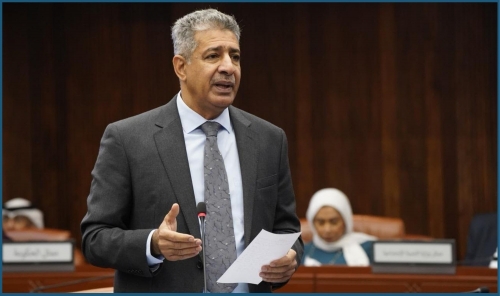

The Bahraini Parliament is set to debate a significant proposal that could reshape the educational landscape for intermediate school students. The discussion, scheduled for Tuesday, centers around expanding apprenticeships to include pupils in both public and private intermediate schools – a program currently available only at the secondary level. This move aims to bridge the gap between academic learning and practical work experience, potentially influencing career paths and future employment opportunities for young Bahrainis.
Expanding Apprenticeships: A Proposal for Intermediate Students
The proposal, spearheaded by Members of Parliament Dr. Muneer Seroor, Mohammed Salman Al Ahmed, and Lulwa Al Rumaihi, argues that introducing an apprenticeship track during intermediate schooling will provide students with valuable insights into various professions. Supporters believe this early exposure will help them make more informed decisions about their future studies and careers, ultimately easing the transition from education to the workforce. The Services Committee has already voiced its support, unanimously approving the recommendation to move forward with the debate.
The Rationale Behind Early Career Exposure
Dr. Seroor emphasized the importance of connecting theoretical knowledge with practical application. He stated that many intermediate students are at a crucial stage where they need guidance in identifying their interests and potential career paths. By offering apprenticeships at this level, students can develop essential skills, build confidence, and gain a competitive edge in the job market. Furthermore, he highlighted the potential economic benefits of a work-based training system that begins earlier in a student’s academic journey.
This initiative aligns with a broader global trend towards skills-based education and vocational training, recognizing the evolving needs of the modern economy. The aim is to move beyond a purely academic focus and equip students with the practical competencies employers are seeking.
Ministry of Education’s Perspective on Vocational Training
The Ministry of Education has responded to the proposal, acknowledging the value of aligning education with employment needs. They affirmed their commitment to equipping students with the academic and knowledge skills necessary for success in the job market, including those in intermediate schools, which they consider a vital stepping stone to secondary education.
However, the Ministry expressed reservations about implementing full-scale apprenticeships at the intermediate level based on existing studies and international best practices. Their current approach prioritizes a strong academic foundation in intermediate school, believing that students are better prepared for field training and specialized learning once they reach secondary school and have completed core courses.
Existing Vocational Programs and Awareness Initiatives
The Ministry pointed to existing programs within private schools that allow students to pursue vocational qualifications alongside their general secondary certificate. They also highlighted the importance of intermediate education as a period for general learning and exploration, allowing students to discover their aptitudes before specializing.
Instead of formal apprenticeships, the Ministry currently focuses on raising awareness of different career paths through activities like talks, workshops, and field visits. They also integrate applied subjects such as design and technology, art education, and commerce into the intermediate curriculum to provide a taste of potential vocational areas. The Student Talent Care Centre also plays a role, supporting gifted students at all levels, including intermediate, with programs designed to nurture their skills.
Finding a Balance: Addressing Concerns and Moving Forward
The Ministry isn’t outright rejecting the proposal, but rather advocating for a cautious approach. They suggest that any introduction of apprenticeships for intermediate students should be carefully measured and implemented in a way that doesn’t compromise their academic progress. This concern is understandable, as a premature focus on vocational training could potentially limit a student’s future educational options.
The Ministry has offered to provide further clarification and continue collaborating with Parliament to explore viable solutions. This willingness to engage in dialogue suggests a potential compromise could be reached, perhaps involving pilot programs or a phased implementation of apprenticeships.
The debate will likely focus on finding the right balance between providing early career exposure and maintaining a strong academic foundation. Exploring options for short-term, introductory work experiences, or integrating more practical projects into existing intermediate school curricula could be potential avenues for compromise. Career guidance is a key component of this discussion, ensuring students receive adequate support in making informed decisions.
The Future of Education and Skills Development in Bahrain
This parliamentary debate represents a crucial step in shaping the future of education and skills development in Bahrain. The discussion around expanding apprenticeships highlights a growing recognition of the need to prepare students for the demands of a rapidly changing job market.
Ultimately, the goal is to create an educational system that is both academically rigorous and practically relevant, equipping young Bahrainis with the skills and knowledge they need to thrive in the 21st century. The outcome of Tuesday’s debate will undoubtedly have a significant impact on how that goal is achieved, and will be closely watched by educators, employers, and students alike.