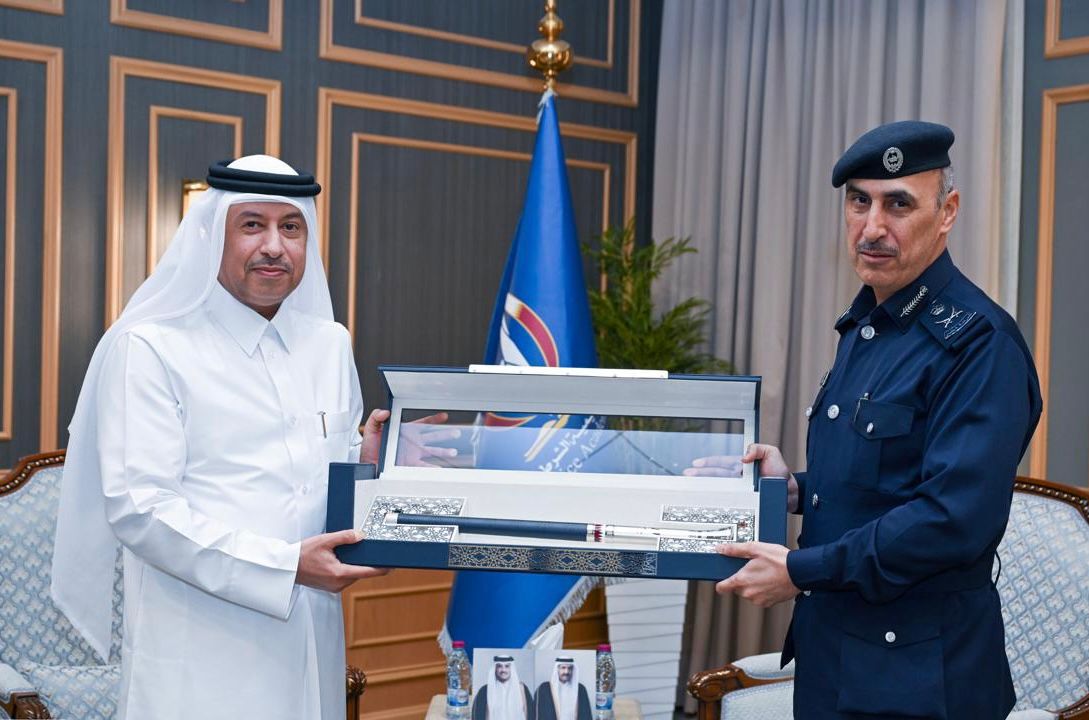

Doha, Qatar – Qatar’s Attorney General, H.E. Dr. Issa bin Saad Al Jafali Al Nuaimi, emphasized the critical importance of integrity and transparency in upholding justice and protecting society during a recent lecture at the Police Academy. The address, delivered to the second cohort of the Security Command and Staff Program, focused on strengthening the rule of law and fostering collaboration between security agencies and the judicial system. This underscores Qatar’s ongoing commitment to legal reform and enhanced security cooperation.
The lecture, held at the College of Graduate Studies, highlighted the essential role of security forces in supporting the Public Prosecution and judiciary. Al Nuaimi discussed practical mechanisms for improved coordination to address evolving security challenges within the nation. Participants engaged in an interactive discussion, focusing on leadership development and optimizing criminal procedures, according to reports from the Police Academy.
The Importance of Integrity in Qatar’s Legal System
The Attorney General’s remarks come as Qatar continues to refine its legal framework and bolster its security infrastructure. Maintaining integrity within these systems is seen as paramount to public trust and effective governance. This focus aligns with Qatar National Vision 2030, which prioritizes the development of a just and equitable society.
Strengthening Rule of Law
Al Nuaimi’s lecture addressed the foundational principles of the rule of law, emphasizing its significance in ensuring fairness and accountability. He reportedly discussed the need for consistent application of legal principles and the importance of due process. This commitment to due process is a key component of Qatar’s human rights record.
Security-Judicial Collaboration
Effective collaboration between security agencies and the judiciary is crucial for addressing complex criminal activity, according to legal experts. The Attorney General outlined strategies for streamlining information sharing and coordinating investigations. This coordinated approach aims to improve the efficiency of criminal proceedings and enhance the prosecution of offenses, including financial crimes and cyber security threats.
However, challenges remain in balancing security needs with individual rights. Qatar, like many nations, faces the ongoing task of adapting its legal and security frameworks to address emerging threats while safeguarding civil liberties. The lecture acknowledged these complexities and encouraged participants to consider ethical implications in their decision-making.
Meanwhile, the discussion on legal leadership skills focused on the need for security leaders to possess a strong understanding of legal principles and procedures. Participants explored strategies for enhancing their ability to effectively manage investigations, gather evidence, and present cases in court. Developing these skills is considered vital for ensuring the successful prosecution of criminal cases and maintaining public safety.
Additionally, the Attorney General’s address touched upon the evolving landscape of criminal justice, including the increasing prevalence of technology-enabled crime. He emphasized the importance of investing in training and resources to equip security personnel with the skills necessary to investigate and prosecute these types of offenses. This includes expertise in digital forensics and cybercrime investigation techniques.
The lecture also highlighted the importance of international cooperation in combating transnational crime. Qatar actively participates in international law enforcement initiatives and collaborates with other nations to address issues such as terrorism, drug trafficking, and money laundering. This international collaboration is seen as essential for effectively addressing these global challenges.
Looking ahead, the Police Academy is expected to incorporate the insights from the Attorney General’s lecture into its curriculum. Further training programs focusing on integrity, legal leadership, and criminal procedure are anticipated in the coming months. The long-term impact of these initiatives on Qatar’s legal system and security apparatus remains to be seen, but the emphasis on integrity and collaboration signals a continued commitment to strengthening the rule of law and enhancing public safety. Monitoring the implementation of these strategies and assessing their effectiveness will be crucial in the coming years, particularly as Qatar prepares to host future international events and navigate an increasingly complex global security environment. The focus on integrity will likely be a recurring theme in future legal and security discussions.