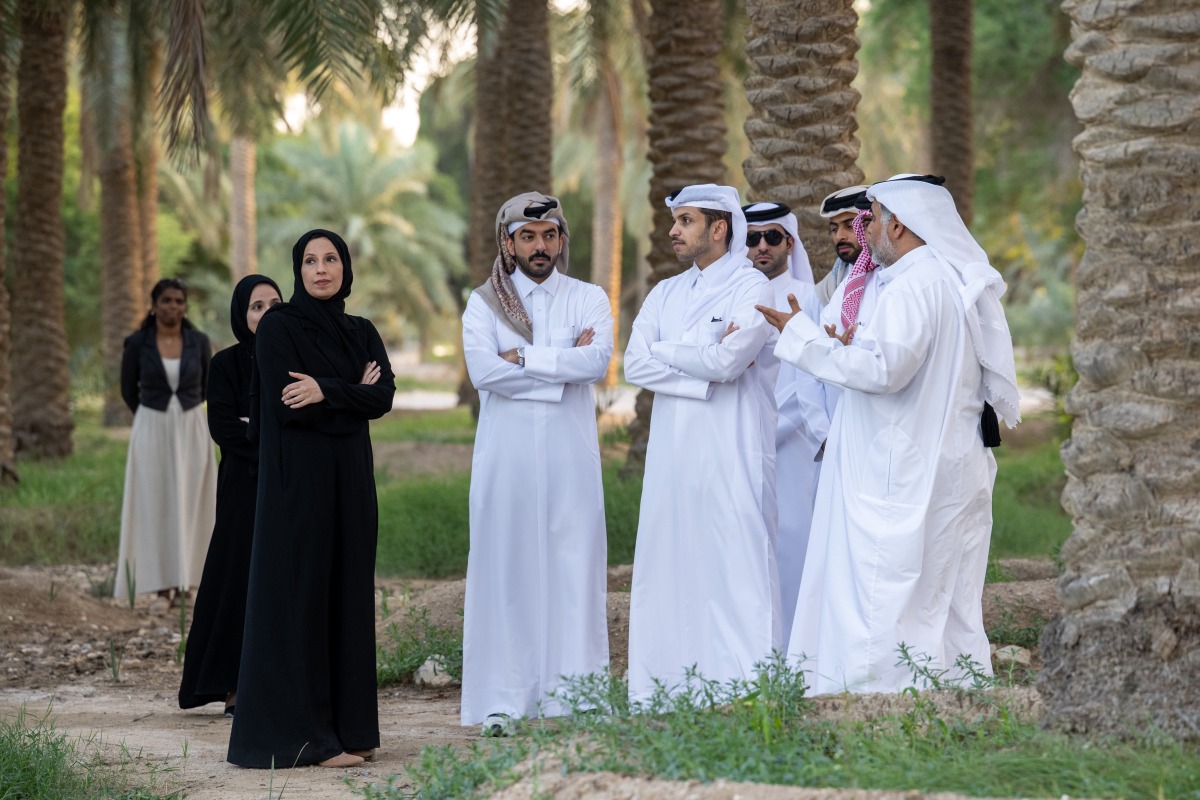

The inaugural exhibition of the International Network for Traditional Building, Architecture & Urbanism (INTBAU) Qatar Winter School concluded recently at Heenat Salma Farm, showcasing designs focused on sustainable and culturally sensitive development. The event, held under the patronage of the Ministry of Social Development and Family, brought together architects, urban planners, and students to explore principles of traditional architecture in a modern context. The exhibition highlighted projects addressing contemporary challenges through established building practices.
Qatar’s Minister of Social Development and Family, H.E. Buthaina bint Ali Al Jabr Al Nuaimi, attended the closing event alongside various officials, underscoring the government’s commitment to preserving national heritage while fostering forward-thinking urban solutions. The Winter School, which ran for several weeks, featured workshops, lectures, and design studios centered around the theme of building communities rooted in local traditions. This initiative comes as Qatar continues to rapidly develop, necessitating balance between modernization and cultural preservation.
The Focus of INTBAU Qatar and Traditional Architecture
INTBAU, a global organization founded by His Majesty King Charles III, promotes traditional building skills and designs tailored to local climates and cultures. The Qatar chapter’s Winter School specifically addressed the unique environmental and social needs of the region. According to the ministry, the program aimed to equip participants with the knowledge and tools to create spaces that enhance well-being and reflect Qatari identity.
Sustainable Design Principles
A key element of the showcased projects was the incorporation of passive cooling techniques, referencing historical Qatari building methods. These include optimizing building orientation to minimize sun exposure, utilizing wind towers for natural ventilation, and employing locally sourced materials. The emphasis on sustainability aligns with Qatar’s National Vision 2030, which prioritizes environmental stewardship.
Cultural Relevance in Urban Planning
The designs also demonstrated efforts to integrate traditional patterns and social spaces into modern urban layouts. This involved considerations for privacy, community interaction, and the creation of walkable neighborhoods – elements historically central to Qatari settlements. Experts believe this approach is critical for fostering a sense of belonging in rapidly changing urban environments.
The Winter School’s curriculum reportedly included instruction on traditional Qatari craftsmanship, such as the use of gypsum and coral stone, as well as workshops on adapting these skills to contemporary construction technologies. Participants gained practical experience through collaborative design projects focused on real-world challenges in Qatar. This experience aims to nurture a new generation of architects equipped to address Qatar’s unique needs.
The significance of this event extends beyond architectural designs. Qatar’s interest in urban development is rapidly increasing, driven by factors such as the FIFA World Cup 2022 and broader economic diversification efforts. However, this growth also raises concerns about maintaining cultural identity and environmental sustainability. The INTBAU Winter School directly addresses these concerns.
The emphasis on preserving cultural heritage is particularly relevant in the context of Qatar’s ambitious modernization plans. The nation is actively investing in infrastructure and tourism, which require careful consideration of the built environment. The introduction of sustainable building practices also responds to global climate change initiatives and Qatar’s pledge to reduce its carbon footprint. The success of the exhibition is viewed as an important step towards integrating these goals.
The Ministry of Social Development and Family has expressed its commitment to supporting future INTBAU Qatar initiatives. They anticipate expanding the program to include a broader range of participants and address additional aspects of traditional building and living. The event generated discussions around implementing these principles in larger-scale projects throughout the country.
Looking ahead, the implementation of lessons learned from the Winter School into national building codes and planning regulations remains a key point of observation. Whether the concepts of architectural conservation presented will be systematically incorporated into future developments is currently uncertain. Further announcements from the Ministry are expected in the coming months regarding the next phase of the INTBAU Qatar program and potential guidelines for integrating traditional design principles.
INTBAU’s website provides additional information about their global initiatives.
Qatar’s Ministry of Social Development and Family continues to release policy statements on their website.
The growing field of sustainable design benefits from initiatives like this.