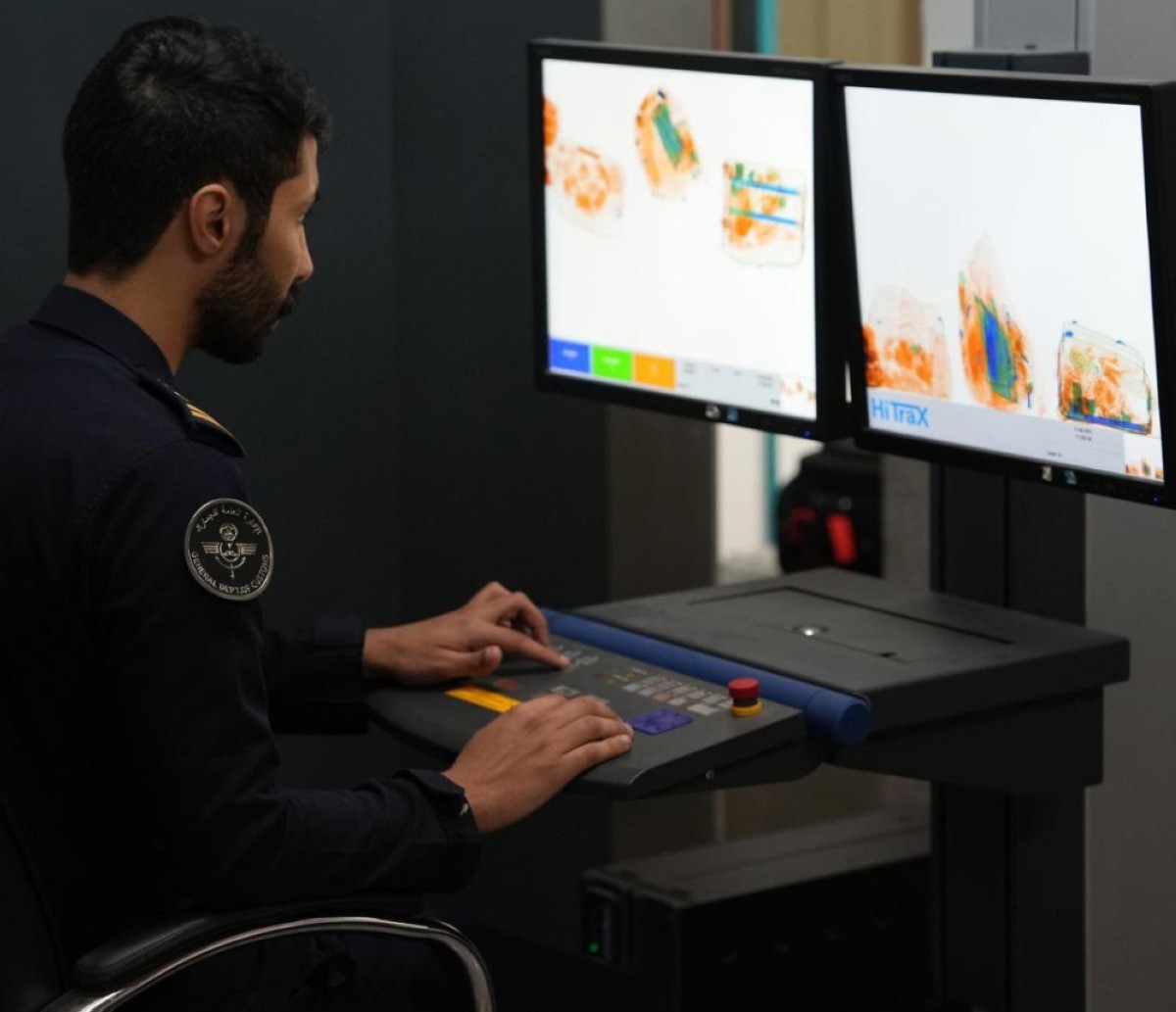

Kuwait’s customs officers are facing an increasingly complex battle against illicit trade, intercepting everything from everyday counterfeit goods to dangerous narcotics. The flow of commerce into Kuwait, whether through airport luggage, massive shipping containers, or the ever-growing volume of Kuwait customs parcels from online shopping, presents constant challenges. They are working tirelessly to safeguard the nation’s economy and security, adapting to new smuggling techniques and collaborating with international partners.
The Expanding Role of Kuwait Customs
The role of Kuwait customs has significantly evolved beyond traditional border controls. While still vital at ports of entry, officers are now strategically positioned within the country to address the rising tide of smuggled items. This includes dedicated teams at postal offices and air cargo warehouses, reflecting the changing dynamics of global trade and the growing popularity of online shopping.
“Customs represents the first line of defense,” explains Fatima Al-Qallaf, Deputy Head of Financial, Administrative and Technical Affairs at the General Administration of Customs. “We work 24 hours to ensure the smooth flow of legitimate goods and to prevent any shortages of commodities within Kuwait.” This commitment requires continuous training, investment in advanced technology, and strong inter-agency cooperation.
Tackling Narcotics and Psychoactive Substances
One of the most crucial aspects of their work involves combating the import of narcotics and psychoactive substances. This is considered a purely security matter, and Kuwaiti customs officials are highly trained in detection methods, regardless of the concealment techniques employed.
Modern detection devices provide initial indicators, pinpointing potentially suspicious substances. However, Al-Qallaf emphasizes that these devices are just the first step. “Customs officers do not make the final call,” she stated in an interview. “Final testing and prosecutions are handled by the Anti-Narcotics Department at the Ministry of Interior, with whom Customs coordinates directly.”
Procedures are tailored to the specific circumstances of each case – whether the drugs are discovered in passenger baggage, concealed within postal parcels, or hidden within larger cargo shipments. This nuanced approach ensures both effectiveness and adherence to legal protocols.
Preventing Tax Evasion and Identifying Discrepancies
Beyond narcotics, customs officers actively work to prevent tax evasion through the diligent review of import declarations. A common violation involves discrepancies between the declared contents of a shipment and its actual items.
Al-Qallaf illustrates this point with an example: “A shipment is declared as tables, but additional items such as chairs are found inside the same container without being listed. This could be a clerical error or a deliberate attempt to avoid customs duties.”
Inspectors meticulously compare shipment contents against audited documents, verifying quantities and specifications. Undeclared items are subject to legal repercussions and the recovery of unpaid duties, currently set at a standard rate of 5 percent. Damage to goods during transit is assessed separately, with responsibility falling on the shipping companies rather than Customs.
The Fight Against Counterfeit Goods
The proliferation of counterfeit products presents a significant ongoing challenge for Kuwaiti Customs. All such goods are strictly prohibited from entering the country, even those intended for personal use.
However, enforcement isn’t always black and white. Officials often exercise discretion when dealing with small quantities of counterfeit items found in personal luggage. For example, a single counterfeit T-shirt might not automatically trigger seizure and destruction, recognizing the possibility of unintentional purchase.
“Not everyone is aware that a bag or item they own is counterfeit,” Al-Qallaf states. “In such cases, the assessment is left to the inspector’s discretion.” Repeat offenders, however, face strict penalties. Additionally, customs collaborates closely with the Ministry of Commerce to address counterfeiting linked to larger-scale commercial activities. They also partner with foreign embassies, international trademark organizations, and major brands to bolster staff training in identifying fake products. Workshops organized by the French Embassy, as an example, have specifically focused on combating counterfeit goods. Gold imports undergo scrutiny by the Ministry of Commerce to verify purity, weight, and carat, protecting consumers.
Adapting to the Rise of Online Shopping
The dramatic increase in online shopping has necessitated a broadening of Customs’ operational scope. Air cargo facilities now function as designated customs zones, handling the massive influx of parcels shipped via express courier services. Furthermore, select post offices, including Hateen and Al-Siddiq, have been designated as customs points.
“Parcels are inspected to ensure they contain no prohibited items or drugs before delivery,” explains Al-Qallaf. Importantly, parcels are not opened without the presence of the recipient or a representative from the courier or postal service, maintaining transparency and accountability. If a consumer suspects a delivered product is counterfeit, the case is referred to the Ministry of Commerce’s Consumer Protection Department.
Facilitating Trade and Strengthening Security
Kuwait Customs utilizes a Risk Management and Targeting Department to proactively monitor global smuggling trends. Analyzing seizure data and intelligence from international organizations allows officers to identify high-risk shipments, routes, and companies before they even arrive for inspection. Collaboration with the Ministry of Interior provides critical alerts related to specific smuggling activities and potential source locations.
The Authorized Economic Operator (AEO) program at the GCC level aims to streamline legitimate trade. Companies demonstrating a strong compliance record are granted privileges, such as expedited clearance processes. This benefits both businesses and the overall efficiency of the supply chain. If a standard clearance takes three hours, an AEO participant can often process their goods much faster, using a dedicated fast-track channel and customized procedures within the automated customs system.
Recent initiatives by First Deputy Prime Minister and Minister of Interior Sheikh Fahad Al-Yousef Al-Sabah are also driving positive change by motivating staff through rewards for significant seizures. Recognizing that customs work often involves long hours, personal risk, and potential threats, these incentives underscore the value of their dedication and commitment.
As Kuwait continues to develop as a regional trade hub, the diligent efforts of its customs officers remain paramount in protecting the nation’s economic and national security interests. By embracing innovation and strengthening collaborative partnerships, Kuwait Customs is well-positioned to address the evolving challenges of a globalized world, ensuring a safe and prosperous future.