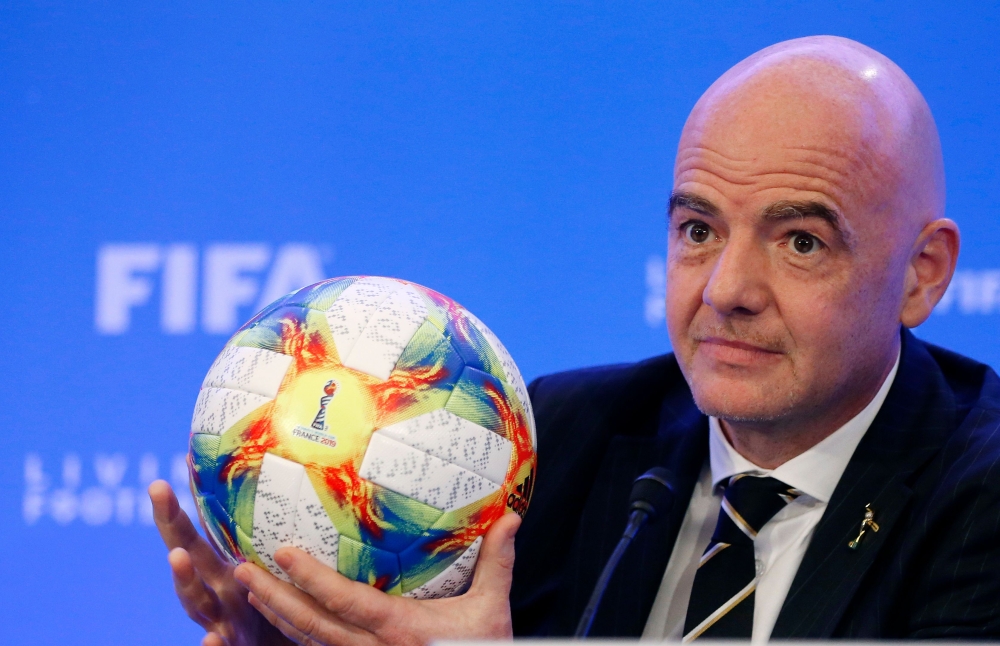

FIFA President Gianni Infantino has defended the World Cup ticket prices for the 2026 tournament, amid widespread criticism from fan groups. The controversy stems from initial pricing that appeared significantly higher than previous tournaments, though FIFA has since announced a limited release of more affordable options. The 2026 World Cup will be jointly hosted by the United States, Mexico, and Canada.
Speaking at the World Sports Summit in Dubai on Monday, Infantino revealed organizers received a record 150 million ticket requests within the first two weeks of sales opening. This surge in demand highlights the continued global appeal of the tournament, despite concerns over accessibility for average fans. The high demand also underscores the growing popularity of soccer in North America.
Addressing Concerns Over 2026 World Cup Ticket Prices
The initial backlash centered on the perceived unaffordability of tickets, with groups like Football Supporters Europe (FSE) claiming prices were nearly five times higher than those for the 2022 World Cup in Qatar. This prompted FIFA to respond by stating that a portion of tickets would be available for $60, though the quantity remains limited. Infantino emphasized that the revenue generated from the tournament will be reinvested into football development globally.
According to Infantino, the majority of ticket requests originated from the United States, followed by Germany and Britain. He noted that the 150 million requests in just two weeks could theoretically fill 300 years of World Cup attendance, given that approximately 44 million tickets have been sold throughout the tournament’s history. This unprecedented demand presents logistical challenges for organizers.
Financial Impact and Global Development
Infantino argued that FIFA is unique in its commitment to funding football programs in over 150 countries worldwide. He stated that without FIFA’s financial contributions, football would not be sustainable in many nations. This justification aims to contextualize the higher ticket prices as a means to support broader football development initiatives. The financial model relies heavily on revenue from the World Cup.
However, critics maintain that accessibility for passionate fans should be a priority, regardless of FIFA’s broader financial goals. The debate highlights a tension between maximizing revenue and ensuring the World Cup remains a globally inclusive event. The issue of soccer ticket costs is a recurring one, particularly as the sport’s popularity grows.
Meanwhile, organizers are working to finalize logistical plans for the expanded 48-team tournament, which will be the first to be held across three countries. This presents unique challenges in terms of transportation, accommodation, and security. The increased number of teams and matches will also require significant infrastructure upgrades in host cities.
The initial phase of ticket sales focused on fan memberships and package deals. A general public sale is expected to follow, though dates have not yet been definitively announced. The allocation process will likely prioritize fans from participating nations and those who have demonstrated long-term support for the World Cup.
Looking ahead, FIFA will continue to monitor ticket demand and adjust its pricing strategy as needed. The organization is also expected to provide further details on the distribution of affordable tickets. The success of the 2026 World Cup will depend not only on the quality of the matches but also on ensuring a positive experience for fans of all economic backgrounds. The next key date to watch is the announcement of the general public ticket sale timeline.
FIFA’s official website provides further information on the tournament and ticketing process.
Football Supporters Europe has published statements regarding ticket pricing concerns.