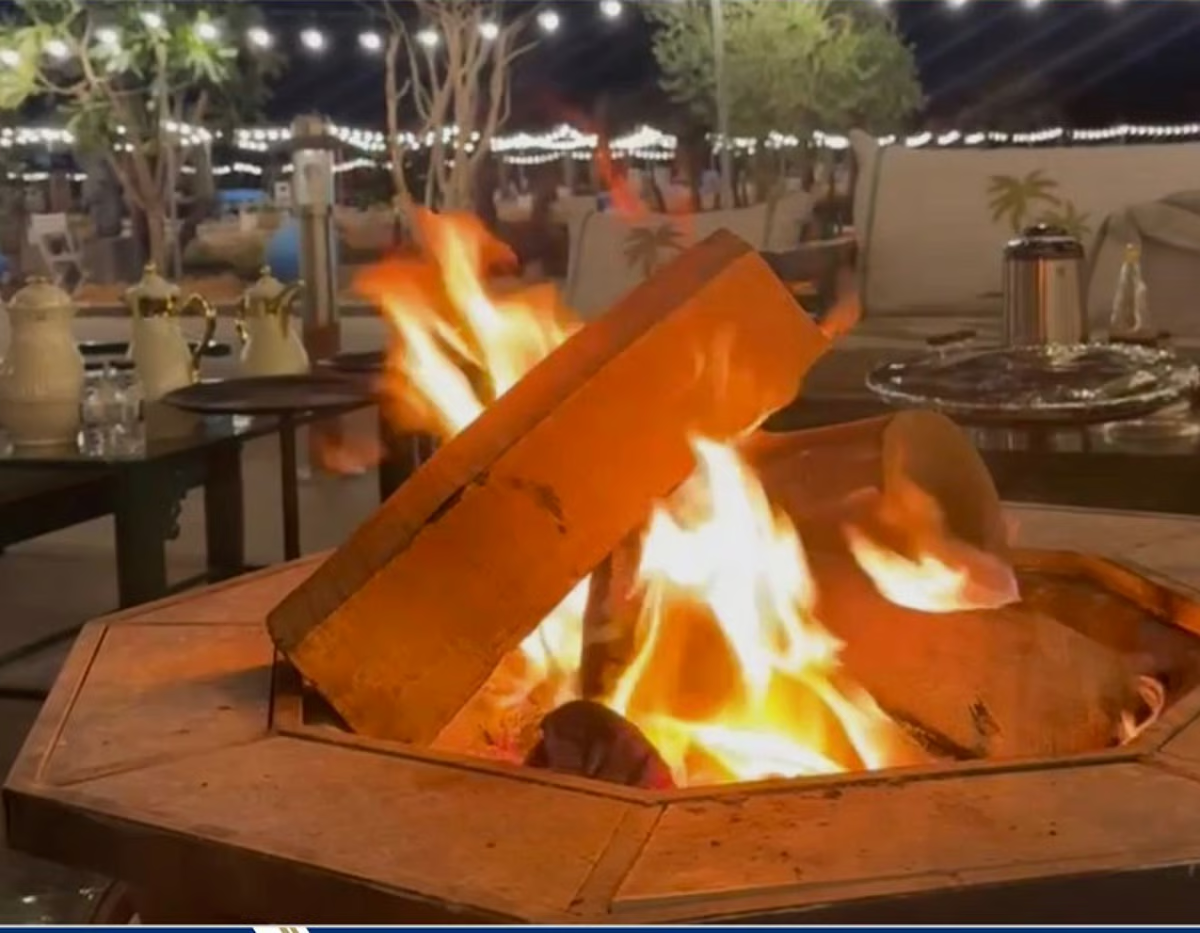

Al Ain residents have been cautioned by local authorities about the dangers of using charcoal or firewood for heating or cooking inside homes and enclosed spaces. Brigadier Saeed Hamid bin Dalmouj Al Dhaheri, Director of Al Ain Police Directorate, recently issued a statement emphasizing the increased risk of carbon monoxide poisoning and accidental fires associated with these practices, particularly during nighttime hours. The warning aims to prevent incidents of suffocation and property damage within the Al Ain region.
The advisory, released this week, specifically addresses the use of charcoal and wood-burning stoves, grills, and other similar appliances. Authorities are concerned about the potential for incomplete combustion in poorly ventilated areas, leading to a buildup of dangerous gases. This is especially pertinent as cooler temperatures arrive in the UAE, potentially increasing the desire for alternative heating methods.
Understanding the Risks of Carbon Monoxide Poisoning
Carbon monoxide poisoning is a serious and potentially fatal condition caused by inhaling carbon monoxide gas. This odorless, colorless gas is produced by the burning of fuels like charcoal, wood, propane, and gasoline. Symptoms can be easily mistaken for the flu, including headache, dizziness, weakness, nausea, and confusion.
How Carbon Monoxide Builds Up
The danger arises when these fuels are burned in enclosed or poorly ventilated spaces. Without adequate airflow, carbon monoxide cannot dissipate, and concentrations can quickly reach dangerous levels. This is why using charcoal grills or portable heaters indoors is strictly discouraged by safety officials.
Fire Hazards Associated with Solid Fuels
Beyond the risk of poisoning, using charcoal and firewood indoors significantly increases the likelihood of house fires. Embers can easily escape containment, igniting nearby flammable materials like carpets, curtains, or furniture. The Al Ain Police Directorate noted that these fires are often more severe and difficult to control when they occur at night while residents are sleeping.
According to the UAE Fire and Life Safety Code, the use of open flames and solid fuel-burning appliances is heavily regulated, particularly within residential buildings. While not explicitly banned in all circumstances, the code mandates strict safety measures, including proper ventilation, fire-resistant surfaces, and the installation of smoke detectors.
This warning from Al Ain Police follows similar public safety announcements made by authorities across the UAE in recent years. The Ministry of Interior has consistently highlighted the importance of fire safety, especially during the winter months when the risk of indoor fires increases. These campaigns often coincide with increased sales of portable heating devices.
The Al Ain Civil Defence Department has reported a slight increase in fire-related incidents during the past two winters, with a notable proportion linked to improper use of heating appliances. While the overall number of incidents remains relatively low, officials are keen to prevent any further occurrences through proactive education and enforcement. They emphasize that modern, approved heating solutions are significantly safer than traditional methods.
Residents seeking alternative heating options are advised to utilize electrically powered heaters that meet UAE safety standards. These devices typically incorporate safety features such as automatic shut-off mechanisms and overheat protection. Regular maintenance and inspection of any heating appliance are also crucial to ensure its safe operation. Furthermore, proper ventilation, even with electric heaters, is recommended to maintain air quality.
The police directorate’s statement also touched upon the legal ramifications of violating fire safety regulations. Individuals found to be in breach of the UAE Fire and Life Safety Code may face fines and other penalties. Landlords and building managers also have a responsibility to ensure that their properties comply with all relevant safety standards. This includes providing clear guidance to tenants regarding the safe use of heating appliances.
In addition to suffocation risks, the use of charcoal indoors can also exacerbate respiratory problems for individuals with pre-existing conditions like asthma or chronic obstructive pulmonary disease (COPD). The smoke produced by burning charcoal contains particulate matter and other irritants that can trigger asthma attacks and worsen breathing difficulties. Therefore, vulnerable populations are particularly urged to avoid exposure to indoor charcoal burning.
The Al Ain Municipality is currently reviewing its public awareness campaigns related to winter fire safety. They are considering expanding the reach of these campaigns through social media and community outreach programs. The municipality is also exploring options for providing subsidized or free carbon monoxide detectors to low-income households. A decision on these initiatives is expected within the next month.
Looking ahead, the effectiveness of this latest warning will depend on public compliance and continued enforcement by the Al Ain Police Directorate and Civil Defence Department. Monitoring incident rates throughout the winter season will be crucial to assess the impact of the advisory and identify any areas where further intervention is needed. The long-term goal is to create a safer environment for all residents of Al Ain, particularly during the colder months when the risks associated with indoor heating are elevated. The potential for stricter regulations regarding the sale and use of charcoal and firewood remains a possibility if incidents continue to occur.