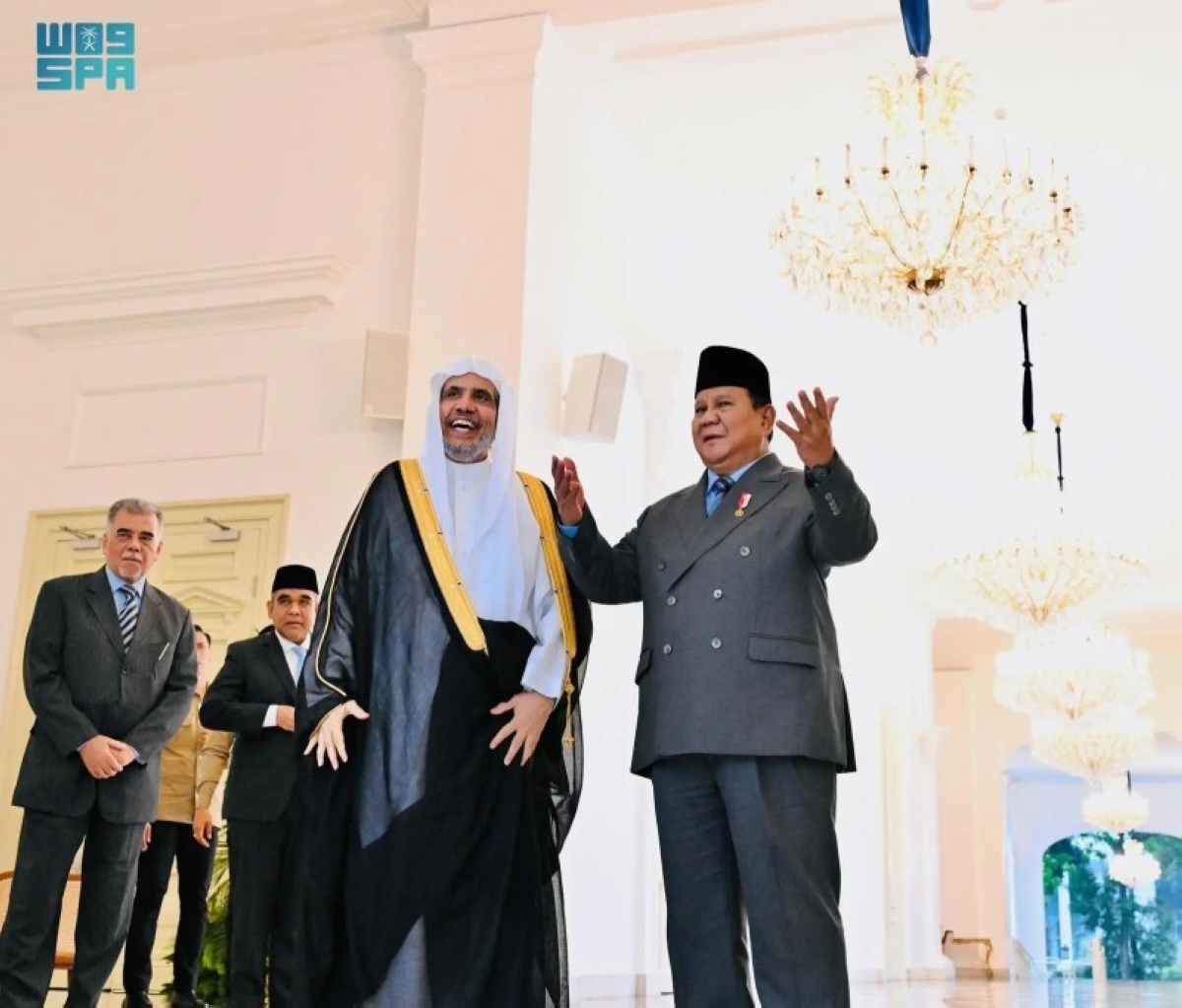

Indonesian President Prabowo Subianto met with Sheikh Mohammed Al-Issa, Secretary General of the Muslim World League (MWL), in Jakarta this week, signaling a strengthened focus on interfaith dialogue and countering Islamophobia. The visit, occurring on May 17, 2024, underscores Indonesia’s role as a leading voice within the global Muslim community and its commitment to promoting religious tolerance. The meeting focused on collaborative efforts to foster unity and address challenges facing Muslims worldwide.
Sheikh Al-Issa’s visit included a meeting with President Subianto and a Friday sermon delivered at the Istiqlal Mosque, Southeast Asia’s largest mosque. The Indonesian government views the MWL as a key partner in promoting moderate Islamic teachings and combating extremist ideologies. This engagement comes as Indonesia prepares to host several international religious conferences in the coming year.
The Muslim World League and Indonesia’s Interfaith Initiatives
The Muslim World League, headquartered in Mecca, Saudi Arabia, is a significant international non-governmental organization representing over 1.5 billion Muslims globally. It aims to present a unified voice for the Muslim world and promote Islamic values of peace, tolerance, and cooperation. Indonesia, with the world’s largest Muslim population, has long been a proponent of these values on the international stage.
Strengthening Global Dialogue
During their meeting, President Subianto commended the MWL’s efforts in bridging divides between different Islamic schools of thought and its proactive stance against Islamophobia, according to a statement released by the Presidential Palace. He emphasized the importance of continued collaboration to address these issues effectively. The President also highlighted Indonesia’s own experience in fostering religious harmony within a diverse society.
Sheikh Al-Issa affirmed the MWL’s commitment to serving both Muslims and humanity at large, based on principles of compassion and the pursuit of peace. He detailed the League’s extensive charitable work, noting that all projects are undertaken with the full consent and approval of the host country’s government. This emphasis on governmental cooperation is a key aspect of the MWL’s operational framework.
Istiqlal Mosque Sermon Focuses on Unity
Sheikh Al-Issa’s Friday sermon at the Istiqlal Mosque centered on core Islamic principles of ethical conduct, unity, and kindness towards others. The sermon, attended by thousands of worshippers, stressed the importance of respecting differing interpretations within Islamic jurisprudence. This message aligns with Indonesia’s own tradition of *Pancasila*, its state ideology which emphasizes religious freedom and national unity.
He also addressed the growing concern of incitement against Muslims, urging the international community to actively counter such actions. According to observers, the sermon resonated strongly with the congregation, reinforcing the need for peaceful coexistence and mutual understanding. The Istiqlal Mosque itself is a symbol of Indonesia’s commitment to religious pluralism.
Additionally, Sheikh Al-Issa highlighted the MWL’s document on building bridges between Islamic schools of thought, a key initiative aimed at fostering greater unity and collaborative action within the Muslim world. This document seeks to address historical and theological differences in a constructive manner, promoting a more unified approach to contemporary challenges. The initiative has been praised by several Islamic scholars as a positive step towards greater understanding.
However, some analysts note that implementing such broad-based unity initiatives faces ongoing challenges, including navigating complex geopolitical dynamics and addressing deeply rooted sectarian divisions. The success of the MWL’s efforts will depend on sustained engagement with diverse stakeholders and a commitment to inclusive dialogue.
The visit also comes amidst increased scrutiny of religious organizations and their role in countering extremism. Indonesia, having experienced terrorist attacks in the past, remains vigilant in monitoring and addressing potential threats. The government’s collaboration with organizations like the MWL is seen as a proactive measure to promote moderate Islamic teachings and prevent radicalization. Relatedly, Indonesia is also actively involved in regional counter-terrorism efforts.
Meanwhile, the Indonesian Ministry of Religious Affairs has expressed its support for the MWL’s initiatives, stating that they align with the country’s own efforts to promote religious harmony and tolerance. The ministry indicated plans for further collaboration with the MWL on educational and cultural exchange programs. These programs aim to foster greater understanding and respect between different religious communities.
Looking ahead, the Indonesian government is expected to continue its engagement with the MWL on various fronts, including interfaith dialogue, counter-terrorism initiatives, and humanitarian assistance. The next major step will likely involve the implementation of joint programs outlined during Sheikh Al-Issa’s visit. The effectiveness of these programs, and the broader impact of the strengthened partnership, remains to be seen, particularly in the context of evolving geopolitical challenges and the ongoing fight against extremism. Further developments are expected to be announced in the coming months.