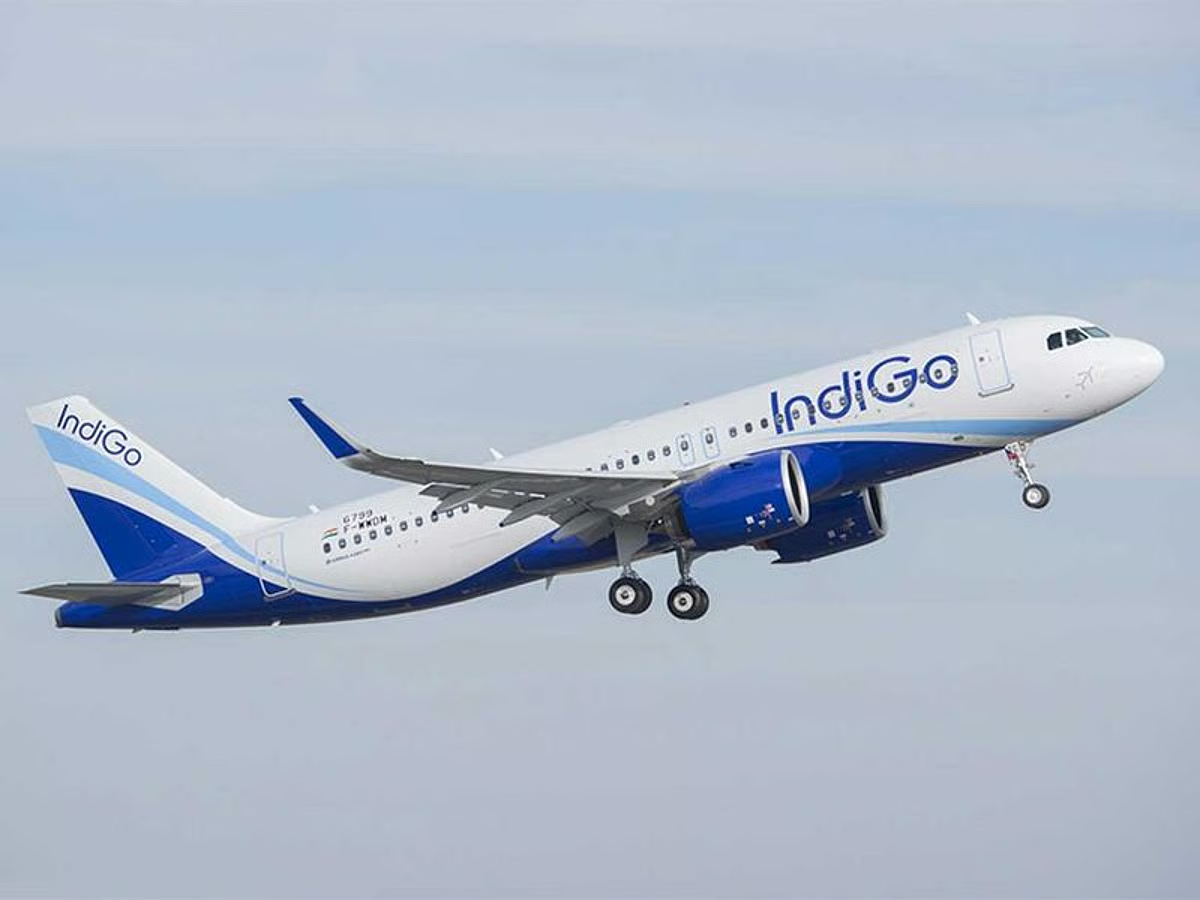

A significant flight delay at Delhi’s Indira Gandhi International Airport escalated into passenger unrest this week, culminating in a heated confrontation with cabin crew and the removal of two individuals deemed “unruly” by IndiGo airlines. The incident, involving flight 6E-203 bound for Krabi, Thailand, highlights growing concerns about passenger behavior and operational pressures within the aviation industry. Videos circulating online show frustrated travelers voicing their complaints as the flight experienced a multi-hour delay.
The delayed departure, originally scheduled for approximately 9:30 PM local time on January 2nd, ultimately arrived in Krabi around 1:00 PM local time on January 3rd, according to flight tracking data. The situation unfolded onboard the aircraft while passengers waited for several hours, leading to a tense atmosphere and ultimately requiring security intervention. The incident underscores the challenges airlines face in managing disruptions and maintaining passenger comfort during extended waits.
Understanding the IndiGo Flight Delay and Passenger Response
IndiGo attributed the flight delay to a confluence of factors. These included the late arrival of the inbound aircraft, increased air traffic congestion, and the flight crew reaching the limit of their permissible duty hours, as outlined by aviation regulations. These limitations are in place to ensure pilot fatigue doesn’t compromise flight safety.
Operational Challenges in Indian Aviation
India’s aviation sector has experienced rapid growth in recent years, leading to increased demand and strain on infrastructure. Air traffic congestion, particularly in major metropolitan areas like Delhi, is a recurring issue. Additionally, strict regulations regarding pilot duty hours, designed to prevent fatigue, can contribute to delays when crew availability is limited. According to the Directorate General of Civil Aviation (DGCA), airlines are required to adhere to specific flight time limitations and rest periods for their pilots.
However, the airline’s explanation did little to quell passenger frustration. Footage shared on social media platforms showed passengers openly questioning the pilot’s decision not to operate the flight, with some expressing anger over disrupted travel plans. One clip appeared to depict a passenger kicking an aircraft exit door, prompting further intervention from crew members.
The Incident with Unruly Passengers
IndiGo confirmed that two passengers exhibited inappropriate behavior during the prolonged waiting period. The airline stated that these individuals were subsequently deboarded and handed over to security agencies, a standard procedure for dealing with disruptive passengers. This action, while necessary, further compounded the delay as the process of removing passengers and ensuring security protocols were followed took additional time. The DGCA has been increasingly focused on addressing incidents of unruly passenger behavior, issuing guidelines and penalties for violations.
Meanwhile, IndiGo staff reportedly attempted to mitigate the situation by providing passengers with meals and refreshments throughout the delay. The airline emphasized its commitment to passenger comfort and safety, despite the challenging circumstances. These efforts, however, were insufficient to prevent the escalation of tensions among some travelers.
Implications of the Flight Delay and Future Considerations
This incident raises questions about airline communication during significant disruptions and the management of passenger expectations. While airlines are often constrained by operational factors beyond their control, transparent and proactive communication can help to alleviate frustration. Effective communication strategies, including regular updates and clear explanations of the reasons for delays, are crucial for maintaining passenger trust.
Additionally, the event highlights the potential for escalation when passengers feel their concerns are not being adequately addressed. The DGCA is currently reviewing the incident and is expected to issue a report outlining its findings and any potential recommendations for improvement. The report will likely focus on the airline’s handling of the situation, the actions of the unruly passengers, and the effectiveness of security protocols.
The airline industry is also grappling with increasing instances of disruptive passenger behavior globally. Factors contributing to this trend include increased stress levels associated with travel, the consumption of alcohol, and a general decline in civility. Airlines and regulatory bodies are exploring various measures to address this issue, including stricter enforcement of rules, increased training for cabin crew, and the implementation of passenger behavior management programs. Flight delays, while often unavoidable, can exacerbate these issues.
Looking ahead, the DGCA’s investigation is expected to conclude within the next few weeks. The findings will likely inform future guidelines for airlines regarding delay management and passenger handling. It remains to be seen whether additional measures will be implemented to prevent similar incidents from occurring. The aviation sector will continue to monitor passenger behavior and adapt its strategies to ensure the safety and comfort of all travelers, especially during periods of operational disruption. The long-term impact of this incident on IndiGo’s reputation and passenger confidence remains to be assessed.