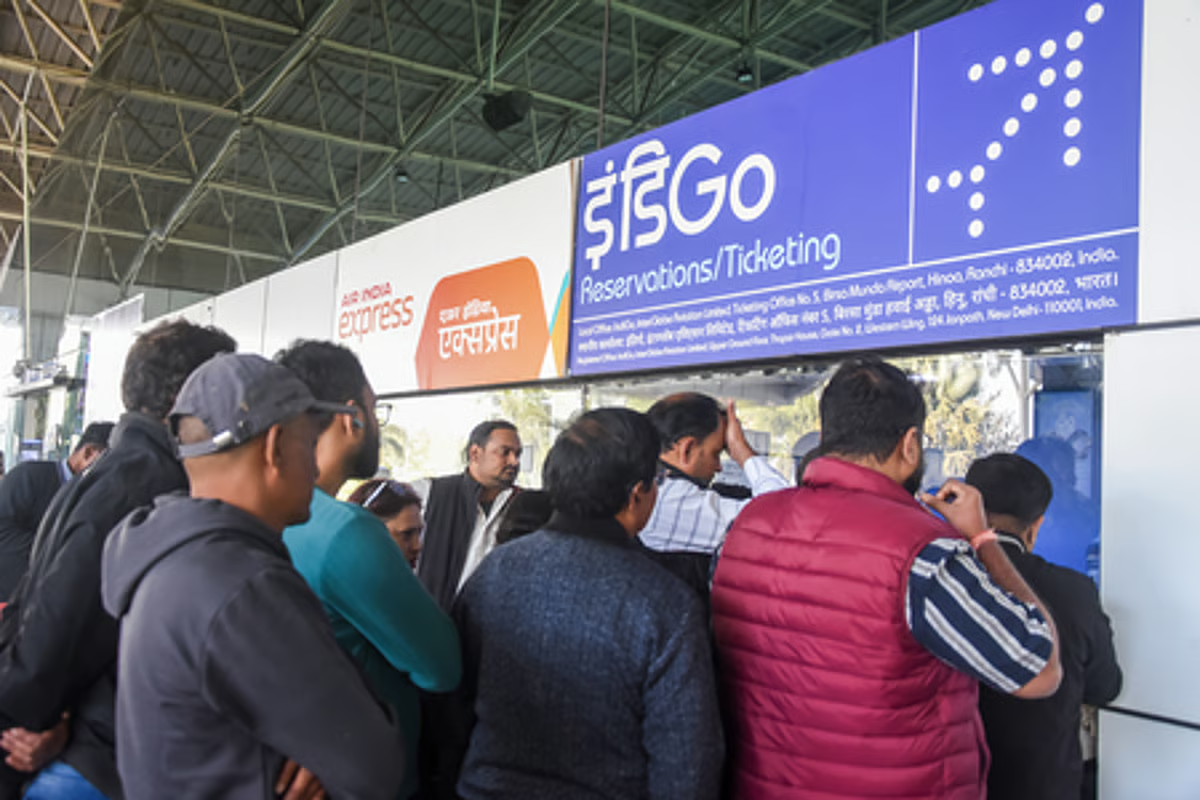

India’s domestic air travel faced significant disruption in early December, with IndiGo, the nation’s largest airline, canceling over 1,000 flights – roughly half of its scheduled service – on December 5th. The cancellations left thousands of passengers stranded and sparked widespread criticism, centered around the airline’s readiness for new regulations. This IndiGo flight disruption stemmed from the implementation of revised Flight Duty Time Limitations (FDTL) and highlights broader issues of crew management across the Indian aviation sector.
What Caused the IndiGo Flight Disruption?
New FDTL rules, officially taking effect November 1st after a two-year notice period, placed caps on the number of hours pilots could fly and mandated increased weekly rest periods – specifically, 48 hours. These changes were intended to improve pilot well-being and enhance flight safety standards. However, IndiGo reportedly found itself unprepared for the new requirements.
The airline’s difficulties were exacerbated by a combination of factors, including slower-than-anticipated pilot hiring and a reliance on minimal crew reserves. This lean staffing model left IndiGo vulnerable when the FDTL changes were enforced. The scale of the resulting disruption prompted a swift response from the Directorate General of Civil Aviation (DGCA).
The “Network Reboot” and Immediate Impact
Facing a substantial crew shortage, IndiGo initiated a “network reboot” on December 5th, mass-canceling flights to reposition pilots and aircraft. Airports, particularly in Delhi, became severely congested with stranded passengers, leading to protests and negative publicity. The situation prompted the DGCA to initiate a probe into the airline’s handling of the transition.
While temporary waivers regarding night duty for pilots helped to partially restore service, pilots’ unions publicly criticized IndiGo’s “short-sighted planning,” noting that other airlines had adapted more effectively. Passenger frustration continued to mount despite efforts by IndiGo to provide accommodations and alternative transportation.
Will Slot Redistribution Ease the Crisis?
The DGCA is now considering proportional cuts to IndiGo’s flight slots – the permission to land and take off at specific times – and reallocating them to airlines capable of absorbing the increased demand. This action aims to alleviate congestion and ensure continued air connectivity for travelers. According to reports, a four-member investigative team is evaluating potential penalties and further cuts of up to 5% if disruptions persist.
Air India, SpiceJet, and Akasa Air are being assessed as potential recipients of these redistributed slots. These carriers have demonstrated more robust fleet growth and proactive expansion plans, positioning them to readily fill capacity gaps during peak travel season, as reported by Business Standard. Air India, in particular, is believed to be actively advocating for a larger share of the slots.
IndiGo has submitted its response to the DGCA’s inquiry, outlining its actions to address the shortages. However, the pressure remains high as passengers continue to demand accountability and reliable service. Preliminary reports indicate a “partial recovery” of operations, facilitated by the waivers and assistance offered to impacted flyers, but full normalization is contingent on accelerated hiring and adjustments to the winter flight schedule.
Increased Capacity from Air India
The Air India Group, encompassing Air India and Air India Express, has announced an increase in capacity specifically to support passengers affected by the IndiGo disruptions. This move aims to mitigate the impact of cancellations and provide more options for travelers. The response from other airlines remains to be fully seen, but represents a potential benefit to consumers impacted by the challenges.
Fare Caps Introduced by Air India
To stabilize pricing amidst heightened demand and reduced capacity, Air India and Air India Express implemented caps on economy class fares for non-stop domestic routes starting December 4th. This decision overrides typical revenue management systems and seeks to protect passengers from excessive price increases. The move comes as lawmakers have publicly accused IndiGo of potentially “intentional” flight disruptions, despite the extended preparation time granted by the DGCA, and are calling for government intervention.
The current situation underscores the importance of robust crew planning and proactive adaptation to regulatory changes within the Indian airline industry. The ripple effects of IndiGo’s challenges are being felt across the domestic aviation network, impacting competitors and passengers alike. The broader implications for air travel in India are significant, potentially influencing future regulatory decisions and airline strategies.
Looking ahead, the DGCA is expected to announce its final assessment and any resulting penalties for IndiGo by mid-December. The effectiveness of the slot redistribution plan and the pace of IndiGo’s pilot hiring will be key indicators of whether the industry can fully recover from this period of instability. Monitoring the impact of Air India’s fare caps and assessing the responses of other airlines will also be crucial in understanding the long-term consequences of this airline disruption.