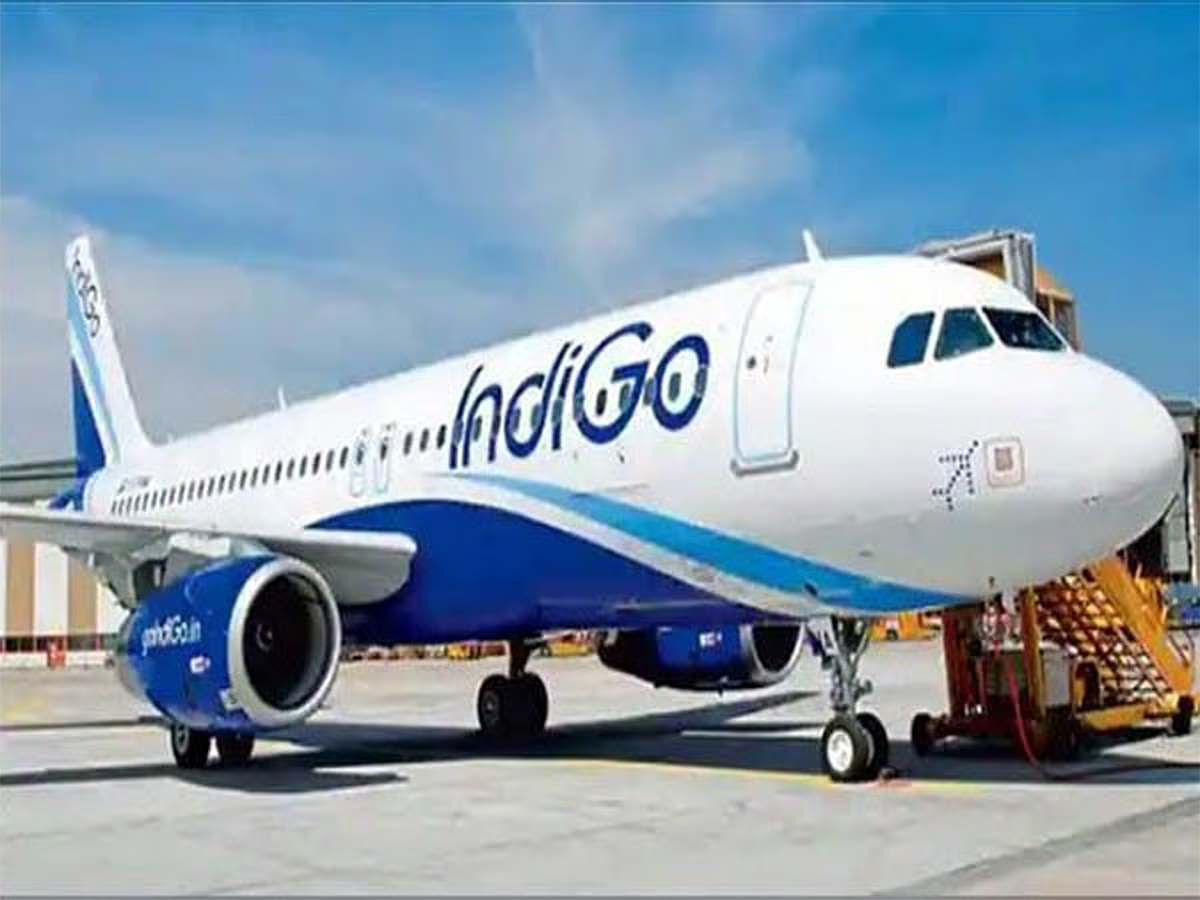

India’s Directorate General of Civil Aviation (DGCA) has imposed a significant financial penalty on IndiGo, the country’s largest airline, following a widespread disruption to its flight schedule earlier this month. The airline cancelled over 2,500 flights and delayed nearly 1,900 more, impacting more than 300,000 passengers. This IndiGo flight cancellations event triggered a formal investigation revealing systemic operational failures, and a comprehensive reform plan is now underway.
The disruptions, which occurred over a three-day period, led to severe overcrowding at Indian airports and lengthy delays for travellers. The Ministry of Civil Aviation (MoCA) intervened, directing the DGCA to investigate the root causes of the chaos. The fallout extends beyond passenger inconvenience, raising concerns about the airline’s ability to manage its operations effectively.
Investigation Reveals Systemic Issues Behind IndiGo Flight Cancellations
The DGCA’s investigation pinpointed several key areas of operational weakness at IndiGo. The report indicates a lack of adequate manpower planning, particularly in relation to crew scheduling, contributed significantly to the cancellations. This was compounded by insufficient fatigue-risk management protocols, potentially jeopardizing flight safety.
Additionally, the investigation highlighted deficiencies in the airline’s digital systems and overall operational resilience. These shortcomings hindered IndiGo’s ability to respond effectively to unexpected events, such as crew shortages or aircraft maintenance issues, leading to a cascading effect of delays and cancellations. The airline’s internal communication during the crisis also came under scrutiny.
Reform Plan and Financial Guarantee
To address these issues, the DGCA has mandated a new reform framework for IndiGo, known as the IndiGo Systemic Reform Assurance Scheme (ISRAS). This plan is backed by a substantial Rs500 million (approximately $6 million USD) bank guarantee, designed to ensure the airline implements lasting changes. The guarantee will be released in stages, contingent upon independent verification by the DGCA.
The ISRAS is structured around four core pillars. The first, focused on leadership and governance, requires certification within three months and is tied to a Rs100 million release. The second pillar, concerning manpower planning, rostering, and fatigue-risk management, has a Rs150 million release linked to sustained compliance over six months. The third, addressing digital systems and operational resilience, requires system upgrades accepted within nine months for a Rs150 million release.
Finally, the fourth pillar emphasizes board-level oversight and sustained compliance, with a Rs100 million release dependent on adherence over a 9–15 month period. The Ministry of Civil Aviation will provide oversight throughout the verification process, aiming to prevent superficial improvements. This multi-stage approach is intended to drive fundamental and long-term changes within the airline.
Passenger Compensation and Regulatory Scrutiny
IndiGo has acknowledged the need to compensate affected passengers, and the airline is reportedly processing claims for refunds and alternative travel arrangements. However, the DGCA is also reviewing the adequacy of the airline’s compensation policies and whether they fully comply with existing regulations regarding flight disruptions.
The DGCA has issued warnings to senior management at IndiGo, holding them accountable for the operational failures. While no immediate personnel changes have been announced, the ministry said the airline’s leadership is expected to demonstrate a commitment to implementing the required reforms. The severity of the penalties reflects the scale of the disruption and the importance of maintaining a reliable air travel system in India.
Beyond the specific actions against IndiGo, the MoCA has initiated a broader review of regulatory frameworks governing airline operations in India. This review aims to identify potential weaknesses in the system and implement measures to prevent similar incidents from occurring in the future. The focus is on enhancing oversight and ensuring all airlines adhere to robust operational standards.
The incident has also sparked debate about the impact of rapid growth on airline efficiency and safety. IndiGo has experienced significant expansion in recent years, becoming a dominant player in the Indian aviation market. Some analysts suggest that this growth may have outpaced the airline’s ability to maintain adequate infrastructure and staffing levels. The airline’s response to these concerns will be closely watched.
The current situation highlights the increasing complexity of airline operations and the challenges of managing a large-scale network. Factors such as global supply chain issues, aircraft maintenance schedules, and unexpected weather events can all contribute to air travel delays. However, the DGCA’s investigation suggests that IndiGo’s problems were primarily internal, stemming from inadequate planning and execution.
Looking ahead, the DGCA will continue to monitor IndiGo’s progress in implementing the ISRAS. The release of the bank guarantee is contingent upon successful completion of each phase of the reform plan. The next key deadline is within three months, when the airline must achieve certification for improvements in leadership and governance. The effectiveness of these reforms in preventing future disruptions remains to be seen, and the aviation industry will be watching closely to assess the long-term impact.