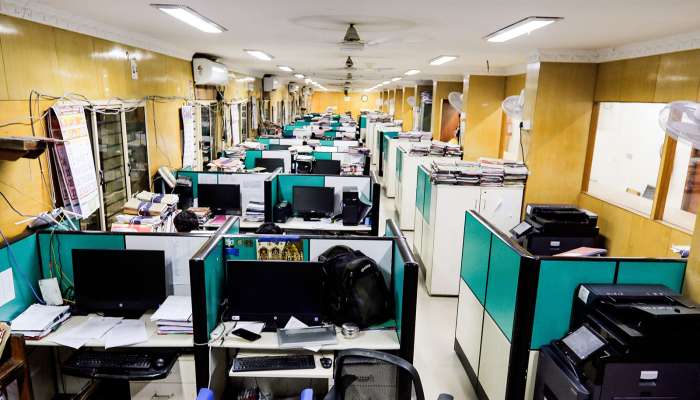

New Delhi is rapidly transforming into a global tech powerhouse, and this shift is fueling a significant surge in leadership hiring across India’s Global Capability Centres (GCCs). No longer viewed as mere back-office operations, these centres are evolving into strategic nerve centres, driving innovation and attracting top-tier talent. A recent report by Quess Corp highlights this dramatic change, revealing a substantial increase in demand for senior leaders as enterprises increasingly entrust India with global mandates in critical areas like product development, engineering, data science, AI, cybersecurity, and digital operations.
The Rise of GCCs and the Demand for Senior Talent
The report paints a clear picture: GCCs are experiencing the strongest growth among all segments, increasing their share of overall hiring demand from around 15% in 2024 to an estimated 27% in 2025. This expansion is directly linked to global enterprises establishing and scaling innovation and engineering centres within India. This isn’t just about quantity; it’s about quality. Companies are actively seeking experienced professionals to lead these initiatives and build robust, future-proof capabilities.
A Thriving Ecosystem of Innovation Hubs
India’s advanced engineering ecosystem is bolstered by a network of 77 hubs, with the majority (between 5,000-20,000 employees) forming the core of this growth. Product and SaaS organizations are leading the charge, experiencing a 15% growth since 2024, driven by renewed investments in Artificial Intelligence, cloud computing, and cutting-edge digital platforms. This creates a ripple effect, increasing the need for skilled professionals at all levels.
Resurgent IT Hiring and the Mid-Career Sweet Spot
Overall, India’s IT sector is witnessing a resurgence, with a projected 1.8 million job openings in 2025 – a 16% increase compared to 2024. This signifies a renewed confidence in tech investment and a positive outlook for the industry. However, the composition of this demand is shifting.
While leadership roles are growing steadily, the bulk of the demand – 65% – lies with mid-level professionals (4-10 years of experience), up from 50% in 2024. These individuals are highly valued for their ability to quickly contribute to fast-paced digital projects, possessing a blend of technical expertise and practical industry knowledge. Entry-level hiring, conversely, has decreased to 15%, indicating a preference for productivity-ready talent. This trend underscores the importance of continuous skill development and upskilling initiatives.
Geographical Trends and Emerging Tech Hubs
Despite the nationwide growth, IT hiring remains heavily concentrated in Tier-1 metropolitan areas. Bangalore continues to dominate, followed by Hyderabad, Pune, Chennai, Mumbai, and the Delhi NCR region. However, Tier-2 and Tier-3 cities are gradually gaining traction, accounting for 10-12% of hiring, with modest gains observed even during the 2024 slowdown.
Cities like Ahmedabad, Kochi, Jaipur, and Coimbatore are emerging as key secondary hubs, offering a cost-effective and increasingly skilled talent pool. This decentralization is a positive sign, promoting regional economic development and reducing the strain on major metropolitan centres. The growth of tech talent in these areas is crucial for sustained industry expansion.
The Skills in Demand: AI, Cloud, and Cybersecurity Reign Supreme
The demand for specific skills is undergoing a significant transformation. AI/ML, cloud computing, and cybersecurity have seen a remarkable surge of 30-42% since 2024, far outpacing traditional core development roles. Legacy skills are rapidly declining, now representing less than 10% of overall demand.
This shift highlights the critical importance of embracing emerging technologies and investing in relevant training programs. The combination of Cloud, AI, and Cybersecurity now accounts for over 46% of all new job creation between 2024 and 2025, solidifying their position as the anchors of India’s technology demand. This focus on specialized skills is driving the need for experienced professionals capable of navigating these complex landscapes.
Startup Hiring and the Future Outlook
While the overall IT hiring landscape is positive, startup hiring has experienced a 10-20% decline from 2023-24 levels, attributed to funding moderation and more selective scaling strategies. However, late 2025 shows early signs of improvement, particularly within AI-first and fintech models, although this segment still represents a smaller portion of overall demand.
Looking ahead, the trend of global capability centres expanding their scope and influence in India is expected to continue. The demand for skilled professionals, particularly those with expertise in AI, cloud, and cybersecurity, will remain strong. The ability to attract, retain, and develop talent will be a key differentiator for companies seeking to establish a competitive advantage in this rapidly evolving market. Hybrid work models are also gaining prominence, with remote hiring increasingly utilized for niche roles requiring specialized skills not readily available in Tier-1 cities.
In conclusion, India’s transformation into a global tech hub is well underway, driven by the growth of GCCs and a surging demand for skilled professionals. The focus on emerging technologies, the rise of mid-career talent, and the emergence of secondary tech hubs all point towards a dynamic and promising future for the Indian IT sector. Businesses looking to capitalize on this growth must prioritize talent acquisition, skill development, and a flexible work environment to remain competitive in this evolving landscape.