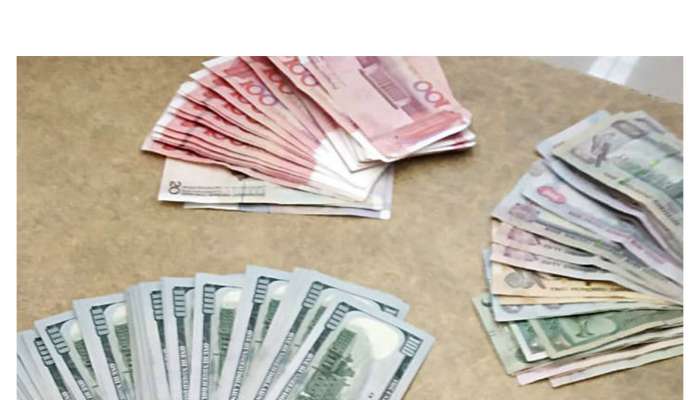

India’s foreign exchange reserves experienced a notable increase in the third week of December, bolstering the nation’s financial stability. The Reserve Bank of India (RBI) reported a rise of nearly $4.4 billion, bringing the total reserves to a substantial $693.3 billion. This positive development coincides with the RBI’s announcement of a significant liquidity infusion measure through a long-term dollar-rupee swap, designed to further strengthen the financial system and manage rupee volatility.
RBI Boosts Forex Reserves with $10 Billion Swap Auction
The recent uptick in foreign exchange reserves is a welcome sign for the Indian economy, particularly as it navigates global economic uncertainties. The RBI’s proactive approach to liquidity management is a key factor contributing to this growth. On Wednesday, the central bank unveiled plans for a USD/INR Buy/Sell swap auction totaling $10 billion with a three-year tenor. This move is strategically aimed at easing liquidity conditions within the Indian financial system.
Understanding the Swap Mechanism
The core of this operation involves banks selling US dollars to the RBI now (the “near leg”) and simultaneously agreeing to repurchase the same amount of dollars at a predetermined rate in three years (the “far leg”). This doesn’t represent a permanent outflow of dollars from the banking system; rather, it’s a temporary exchange designed to increase rupee liquidity. The near-leg settlement is scheduled for January 15, 2026, with the far-leg maturity set for January 16, 2029.
This mechanism is a powerful tool for the RBI to manage both the availability of rupees and the level of dollar reserves without fundamentally altering the overall reserve position. It allows for short-term adjustments to address specific market needs.
Auction Details and Participation Criteria
The auction will be conducted on January 13, 2026, between 10:30 am and 11:30 am. Banks participating in the auction will submit bids based on the “swap premium” – the difference between the forward rate and the spot rate for the dollar-rupee exchange. This premium will be quoted in paisa, up to two decimal places.
The auction will utilize a multiple-price format. This means that successful bidders will receive allocations based on the premium they quoted, subject to a cut-off premium determined by the RBI. This ensures a competitive bidding process and allows the RBI to select the most favorable terms.
Eligibility and Bid Size
Participation in this crucial auction is restricted to Authorised Dealer Category-I banks. This ensures that only institutions with the necessary expertise and regulatory standing are involved in the transaction. The minimum bid size has been set at $10 million, with subsequent bids allowed in increments of $1 million. This structure caters to both large and medium-sized banks, encouraging broad participation.
The RBI has also clarified that once undertaken, these swaps cannot be cancelled or modified. Furthermore, participating banks will be exempt from the standard ISDA (International Swaps and Derivatives Association) documentation requirements, streamlining the process and reducing administrative burdens.
Implications for Rupee Exchange Rate and Market Liquidity
The RBI’s intervention through this swap auction is expected to have a stabilizing effect on the rupee exchange rate. By increasing the supply of rupees in the market, the central bank aims to moderate any excessive volatility and prevent undue depreciation of the Indian currency.
Additionally, the infusion of liquidity will benefit banks, enabling them to extend more credit to businesses and consumers. This, in turn, can stimulate economic activity and support growth. The move is particularly timely given the global economic slowdown and the potential for capital outflows from emerging markets.
The timing of the auction, with settlement in January 2026, suggests the RBI is anticipating continued, though potentially manageable, pressure on the rupee over the next year. This proactive approach demonstrates a commitment to maintaining financial stability and fostering a conducive environment for economic growth.
Broader Context: India’s Economic Resilience
The increase in foreign exchange reserves and the proactive liquidity management by the RBI are indicative of India’s growing economic resilience. Despite global headwinds, the Indian economy has demonstrated strong growth potential, attracting foreign investment and maintaining a relatively stable macroeconomic environment.
The RBI’s strategy of building up reserves and utilizing innovative tools like the dollar-rupee swap is crucial for navigating future challenges and ensuring the long-term health of the Indian financial system. This latest move reinforces the central bank’s commitment to safeguarding the economy and promoting sustainable growth.
In conclusion, the rise in India’s foreign exchange reserves, coupled with the RBI’s $10 billion swap auction, represents a significant step towards strengthening the nation’s financial position. This proactive measure will likely bolster market liquidity, stabilize the rupee, and contribute to India’s continued economic resilience. Investors and market participants will be closely watching the auction results and the subsequent impact on the Indian financial landscape. For further insights into India’s economic policies, explore the latest reports from the Reserve Bank of India.