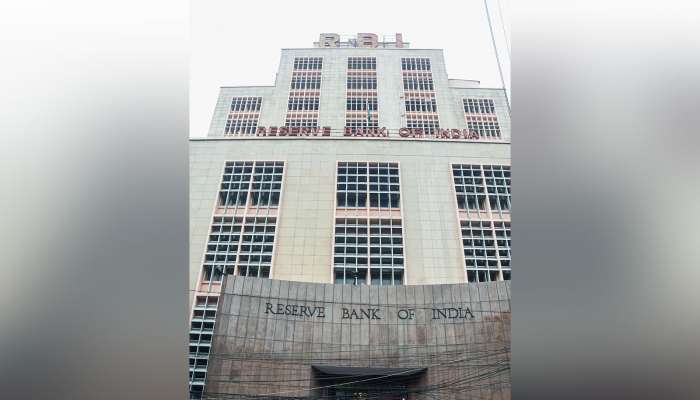

India’s foreign exchange reserves surged by $3.293 billion in the week concluding December 26th, reaching a substantial $696.610 billion. This notable increase, reported in the Reserve Bank of India’s (RBI) latest ‘Weekly Statistical Supplement,’ signals continued strength and resilience in India’s external financial position. The growth was driven by significant gains in both gold reserves and foreign currency assets, bolstering the nation’s capacity to weather global economic fluctuations and manage its financial obligations.
Understanding India’s Rising Foreign Exchange Reserves
The steady climb of India’s foreign exchange reserves is a key indicator of its economic health. These reserves aren’t simply piles of cash; they represent a crucial buffer against external shocks like volatile global markets, sudden shifts in capital flows, and increased import costs. A healthy reserve level also enhances investor confidence in the Indian economy.
The current reserves are hovering near the all-time high of $704.89 billion achieved in September 2024, demonstrating a consistent upward trend throughout much of 2024 and continuing into the end of the year. This positive momentum is a testament to effective economic management by the RBI and the underlying strength of the Indian economy.
Components of the Forex Kitty
The composition of India’s foreign exchange reserves is diverse, but dominated by specific asset classes. Let’s break down the key components:
- Foreign Currency Assets (FCA): This constitutes the largest portion, currently at $559.612 billion – a rise of $184 million for the reported week. FCAs typically include holdings in US dollars, Euros, Japanese Yen, and Pound Sterling.
- Gold Reserves: Holding a significant position as a safe-haven asset, India’s gold reserves experienced a substantial increase of $2.956 billion, bringing the total to $113.320 billion. This rise reflects the global trend of increasing gold prices amidst geopolitical uncertainties.
- Special Drawing Rights (SDR): These are reserve assets created by the International Monetary Fund (IMF).
- Reserve Tranche Position (RTP) with the IMF: This represents India’s quota with the IMF.
While SDR and RTP contribute to the overall reserves, they are relatively smaller compared to FCA and gold holdings. The recent surge is primarily attributable to these two key assets.
RBI’s Role in Managing Forex Reserves
The Reserve Bank of India plays a pivotal role in managing and maintaining the country’s forex reserves. This involves active intervention in the foreign exchange market to stabilize the Indian rupee and ensure sufficient liquidity.
The RBI’s strategy revolves around buying US dollars when the Rupee is strong and selling them when it weakens. This aims to prevent excessive appreciation or depreciation of the Rupee, which could negatively impact both exports and imports. This intervention isn’t constant, but rather a tactical response to market dynamics, ensuring a balanced approach to managing the country’s external finances. Furthermore, the central bank focuses on maintaining adequate cover for import needs.
Historical Trends and Future Outlook
Looking back, the growth of India’s foreign exchange reserves has been dynamic. In 2023, the country added around $58 billion to its reserves, a strong recovery after a cumulative decline of $71 billion in 2022. While 2023 showed significant growth, 2024 saw a more moderate, yet still positive, increase of just over $20 billion. Now, in 2025, the increase of approximately $56 billion highlights a resurgence in reserve accumulation.
The RBI recently stated that current reserves are sufficient to cover more than 11 months of merchandise imports, showcasing a comfortable margin for external financing. This signifies sustained confidence in India’s ability to meet its international obligations.
However, the global economic landscape remains uncertain. Factors like geopolitical tensions, fluctuating commodity prices, and potential shifts in global trade patterns could influence the future trajectory of India’s reserves. The RBI will likely continue its proactive management approach, adapting to these evolving conditions to maintain the stability of the Indian economy. The strength of the Indian Rupee is also a key factor to watch, as it directly impacts the value of the reserves.
Implications for the Indian Economy
The consistent growth in foreign exchange reserves has several positive implications for India:
- Enhanced Economic Stability: A larger buffer against external shocks provides greater stability to the Indian economy.
- Improved Credit Rating: Robust reserves enhance India’s creditworthiness, attracting foreign investment.
- Rupee Support: The RBI can utilize reserves to intervene in the market supporting the Rupee’s value.
- Import Financing: Adequate reserves ensure the country can comfortably finance essential imports, even during challenging times.
In conclusion, the recent increase in India’s foreign exchange reserves is a positive development, reflecting the country’s economic strength and capable financial management. While the global economic environment presents ongoing challenges, India is well-positioned to navigate these uncertainties, thanks to its substantial and growing forex kitty. To stay abreast of these changes and understand their impact on your financial planning, consider following RBI announcements and economic reports from reputable sources.