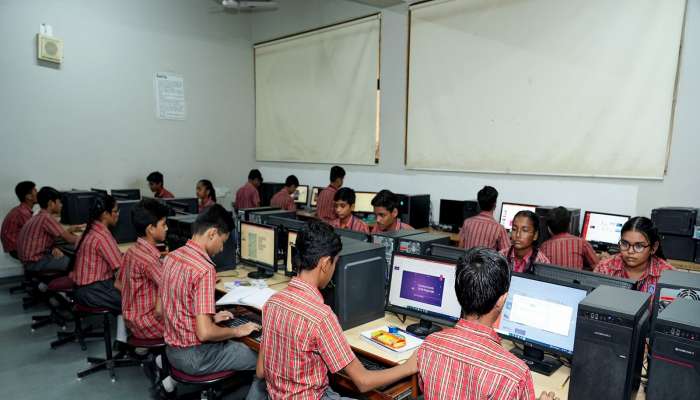

New Delhi is witnessing a remarkable surge in its digital economy, expanding at nearly double the rate of India’s overall GDP. This rapid growth isn’t isolated to India; it’s a defining trend across the entire Asia-Pacific region, fueled by technological advancements and a shift towards digitally-led economic models. A recent research report by India Exim Bank underscores this transformation, highlighting the pivotal role of digital innovation in shaping the future of the region.
The Asia-Pacific’s Digital Leap
The report paints a compelling picture of an Asia-Pacific region at a crucial turning point. Global economic structures are in flux, but within Asia, economic integration is increasing, not slowing down. Over the past four decades, intra-regional trade has grown by an impressive 43%, with over half of Asia’s total trade now occurring within its borders. This trend extends to foreign direct investment (FDI), as Asian economies increasingly invest in each other’s markets, fostering a cycle of growth and interdependence.
Digital Transformation as a Growth Engine
Digital transformation is no longer a future prospect; it’s the present reality driving economic expansion. The India Exim Bank report explicitly states that digital transformation is “one of the most powerful drivers of growth in Asia-Pacific.” This is evidenced by the rise of regional e-commerce giants like Japan’s Rakuten, China’s Alibaba Group, India’s Flipkart, and Indonesia’s GoTo Group. These companies are not merely local players; they are now formidable competitors to global behemoths like Amazon and Walmart.
This growth in e-commerce is a key indicator of the broader digital shift, impacting everything from retail to financial services.
Strengthening Regional Supply Chains
However, the path to seamless regional integration isn’t without its obstacles. The report identifies fragmentation, regulatory differences, and concentration risks as significant challenges to robust supply chain integration. To overcome these hurdles, the report advocates for strategic policy reforms.
Policy Recommendations for Resilience
These reforms center around three key areas: regulatory harmonization, increased digitalization, and the development of stronger financial tools. Harmonizing regulations across the region would reduce friction and streamline trade. Further digitalization of supply chain processes would enhance transparency and efficiency. And bolstering financial tools would provide businesses with the resources they need to navigate potential disruptions.
Additionally, the report emphasizes the critical need for strengthened regional infrastructure. Interoperable transport networks – linking ports, rail systems, and inland logistics hubs – are essential for supporting integrated and resilient supply chains. Coordinated investments, aligned regulations, and sustainable financing are crucial for building infrastructure that fosters durable and inclusive economic integration.
The Rise of the Service Sector & the Role of AI
While manufacturing has historically been the cornerstone of the Asia-Pacific’s economic success, a global shift towards services is reshaping future growth patterns. This necessitates a proactive approach from governments, focusing on investing in education and skills development tailored to the demands of the service sector. Improving regulatory frameworks and promoting innovation in service delivery are also paramount.
The adoption of artificial intelligence (AI) is poised to accelerate this transformation. AI has the potential to significantly boost productivity, efficiency, and competitiveness across all sectors, unlocking new opportunities for growth and innovation.
India’s Digital Public Infrastructure as a Model
India’s success in building a robust Digital Public Infrastructure (DPI) serves as a compelling example for other Asia-Pacific nations. Initiatives like Aadhaar for identity verification, UPI for real-time payments, and ONDC for open e-commerce demonstrate the power of digital infrastructure to drive economic inclusion and efficiency. The report suggests that these models can be readily shared and adapted by other countries in the region. This focus on DPI is a crucial element in fostering a thriving digital economy.
Navigating the Future: Digital Readiness and Regional Cooperation
The future of growth in the Asia-Pacific region hinges on several key factors. Digital readiness – the ability of nations to embrace and leverage digital technologies – is paramount. Equally important is regional cooperation, fostering collaboration and breaking down barriers to trade and investment.
Ultimately, the report concludes that a unified strategy is needed, one that seamlessly integrates services, technology, and infrastructure. This holistic approach will be essential for unlocking the full potential of the Asia-Pacific region and ensuring sustainable, inclusive economic development. The continued expansion of the digital economy will be central to this success, requiring ongoing investment, innovation, and a commitment to regional collaboration.