
The Indian Ministry of Defence received a significant boost with the recent approval of defence acquisitions worth approximately ₹79,000 crore (USD $8.78 billion). This substantial investment, authorized by the Defence Acquisition Council (DAC) chaired by Defence Minister Rajnath Singh on December 29, 2025, will modernize the capabilities of the Indian Army, Navy, and Air Force. Crucially, this defence procurement focuses on enhancing both technological advancements and operational readiness across all three services, with particular emphasis on countering emerging threats.
Strengthening Army Capabilities with New Defence Procurement
A considerable portion of the approved defence procurement will directly benefit the Indian Army. Several key acquisitions aim to bolster its artillery, surveillance, and counter-drone capabilities.
Precision Strike and Enhanced Surveillance
The AoN (Acceptance of Necessity) granted for the Loiter Munition System represents a significant leap in the Army’s ability to conduct precise strikes against tactical targets. These “loitering munitions” or “kamikaze drones” offer a cost-effective and highly accurate method for engaging adversaries. Alongside this, the procurement of Low Level Light Weight Radars will be pivotal in detecting and tracking small, low-flying Unmanned Aerial Systems (UAS). This is a critical capability in the current geopolitical landscape, where drone warfare is increasingly prevalent.
Boosting Firepower and Counter-Drone Defence
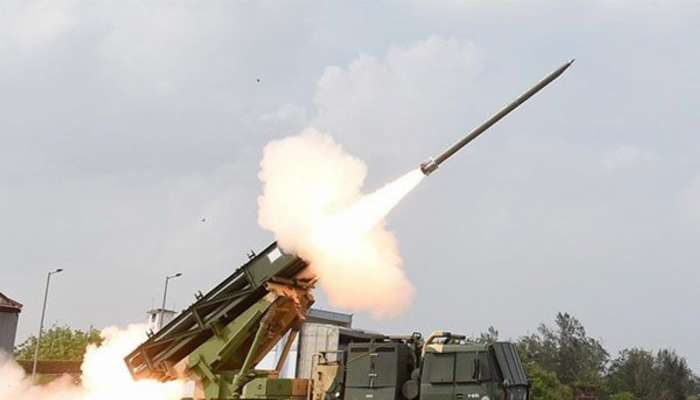
Further enhancing firepower, the longer-range and more accurate Guided Rocket Ammunition for the Pinaka Multiple Launch Rocket System (MRLS) will allow the Army to effectively target high-value assets at greater distances. Simultaneously, recognizing the growing threat posed by drones, the Integrated Drone Detection & Interdiction System Mk-II will provide a layered defence, protecting vital infrastructure both in tactical battle areas and inland locations. The enhanced range of this system marks a definite improvement over previous iterations.
Modernizing the Indian Navy’s Fleet
The Indian Navy’s modernization program also received a shot in the arm with the approved defence procurement. Focusing on support systems and intelligence gathering, these acquisitions are designed to ensure seamless maritime operations and enhance situational awareness.
Improved Harbour Operations and Communication
Procurement of Bollard Pull (BP) Tugs will significantly improve the Navy’s ability to assist ships and submarines during berthing, unberthing, and maneuvering, particularly in the challenging environments of confined waters and harbors. This is about enhancing logistical efficiency and safety. Adding to this operational improvement is the acquisition of High Frequency Software Defined Radios (HF SDR) Manpack. These radios will provide secure, long-range communication essential for boarding operations and other maritime security tasks.
Expanding Maritime Domain Awareness
Perhaps most importantly, the Navy secured approval for leasing High Altitude Long Range (HALE) Remotely Piloted Aircraft Systems (RPAS). This move underlines the commitment to continuous Intelligence, Surveillance, and Reconnaissance (ISR) in the Indian Ocean Region, enabling the Navy to maintain a credible Maritime Domain Awareness. This is especially critical for monitoring sea lanes and responding to potential threats.
Enhancing Air Force Capabilities for Future Warfare
The Indian Air Force (IAF) will benefit from additions designed to improve flight safety, enhance strike capabilities, and bolster pilot training. The diverse suite of acquisitions points to a holistic approach towards improving the force’s overall combat effectiveness.
Aerospace Safety and Precision Guided Munitions
The Automatic Take-off Landing Recording System is a vital addition to the IAF’s aerospace safety infrastructure. Offering high-definition, all-weather recording of crucial flight phases, it ensures thorough investigation capabilities in the event of an incident. Similarly, the Astra Mk-II missiles, boasting an extended range, will dramatically increase the IAF’s ability to neutralize enemy aircraft from a safe distance – a critical advantage in modern aerial combat. The inclusion of SPICE-1000 Long Range Guidance Kits further amplifies the IAF’s precision strike capabilities, allowing for effective engagement of targets at extended ranges.
Training for Tomorrow’s Pilots
Recognizing the importance of continuous training, the AoN also approved the procurement of a Full Mission Simulator for the Light Combat Aircraft Tejas. This simulator offers a cost-effective and safe environment for pilots to practice complex scenarios and hone their skills, contributing to greater operational readiness. The defence procurement is aimed to enhance training efficacy with tools that reflect real-world combat conditions.
In conclusion, the approval of this ₹79,000 crore defence procurement plan by the DAC demonstrates India’s resolute commitment to strengthening its national security. By focusing on advanced technologies like loiter munitions, counter-drone systems and long-range precision strike capabilities, combined with vital support and surveillance assets for all three services, this investment positions India to effectively address evolving threats and maintain a strategic advantage in the region. This strategic move demonstrates a proactive approach towards modernization. For further insights into India’s defence initiatives, explore the Ministry of Defence website and related news sources.