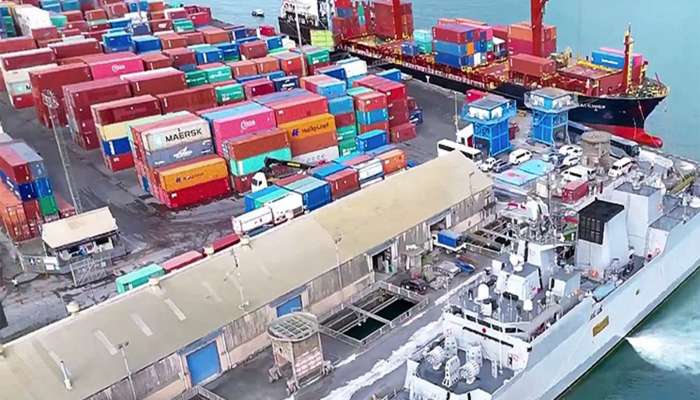

India’s current account deficit is projected to rise in the coming fiscal year, a trend fueled by persistent global trade challenges despite some mitigating factors. A recent report from Union Bank of India forecasts the deficit to reach 1.7% of GDP in FY26, up from an earlier estimate of 1.2%. This increase signals a complex economic landscape navigating international pressures and domestic demand. Understanding the dynamics driving this shift is crucial for investors, policymakers, and anyone interested in the health of the Indian economy.
Understanding India’s Rising Current Account Deficit
A current account deficit (CAD) signifies that a nation is importing more goods, services, and capital than it is exporting. This results in more capital flowing out of the country than flowing in. While not inherently negative, a widening CAD can create economic vulnerabilities. The Union Bank of India report highlights that sustained global trade tariff pressures are the primary culprit behind the projected increase, keeping the trade deficit elevated even with moderating commodity prices and relatively subdued demand.
Key Drivers of the CAD Increase
The report specifically points to ongoing tariffs and trade barriers as the key obstacle. These barriers increase the cost of Indian exports and the cost of imports for Indian businesses, widening the gap. Simultaneously, seasonal factors are at play. The approaching festive season in India is expected to drive up demand, putting additional pressure on the trade deficit.
However, the picture isn’t entirely bleak. Lower commodity prices, particularly the price of crude oil, are expected to offer some relief.
The Impact of Oil Prices on India’s External Balance
India’s economic health is acutely sensitive to fluctuations in crude oil prices. The Union Bank of India report emphasizes this, stating that every $10 per barrel change in oil price impacts the annual current account balance by approximately $15 billion. This sensitivity means that even with inflationary pressures elsewhere, lower oil prices have a significant “salutary effect” on India’s trade dynamics and potentially can lessen the severity of the expanding current account deficit.
Commodity Price Volatility: A Persistent Risk
While lower oil prices currently offer a buffer, commodity price volatility overall remains a significant risk. Unexpected spikes in oil prices or other essential commodities could quickly reverse the positive impact and exacerbate the current account deficit. This ongoing uncertainty necessitates careful monitoring of global market trends and proactive policy adjustments.
The US-India Trade Deal and Export Potential
A potential bright spot on the horizon is the nearing finalization of the India-US Bilateral Trade Agreement (BTA). Expected potentially by late November, this agreement aims to reduce tariffs from 50% to a range of 15-16%.
Boosting India’s Export Base
While the immediate benefits might be modest, the BTA is anticipated to strengthen India’s export base over time. By reducing trade barriers with a major economic partner like the United States, the agreement could gradually help offset some of the pressures contributing to the trade imbalance. Strengthening export capabilities is vital for long-term improvement in the current account deficit situation.
Recent Trade Data and Gold Imports
Recent data paints a concerning picture of the current trade situation. India’s merchandise trade deficit reached a record high of $41.68 billion in October 2025, a substantial increase compared to the $32.15 billion recorded the previous month. This jump significantly surpassed market expectations, indicating a sharp deterioration in the trade balance.
Adding to the pressure, gold imports surged to record levels in October, driven by festive and wedding season demand and pent-up buying. Although November imports are expected to moderate, the value is likely to stay high due to strong investment demand despite elevated gold prices. The stabilization of gold demand after the festival season is anticipated, but it’s still projected to be higher than previous months.
Looking Ahead: Navigating Challenges and Opportunities
The projected rise in India’s current account deficit to 1.7% of GDP in FY26 presents challenges but isn’t insurmountable. The interplay of factors – global trade policies, commodity prices (especially oil), and trade agreements – will be crucial in shaping the trajectory.
Successfully finalizing the US-India BTA and leveraging its potential to boost exports will be vital. Remaining vigilant about commodity price volatility and adapting policies accordingly is equally important. The Indian economy’s resilience will be tested in the coming year, requiring a balanced approach to manage risks and capitalize on available opportunities.
For further insights into India’s economic performance, stay updated on trade data releases and policy announcements from the Reserve Bank of India and other leading financial institutions.