
The Indian Rupee is currently experiencing a sustained period of weakness against the US Dollar, a trend keenly felt in countries with significant Indian expatriate populations like Oman. As of Wednesday, the Rupee had depreciated further, trading at 90.22 against the dollar following a 33 paise drop on Tuesday and subsequently a 35 paise decline. This continuous fall is prompting both opportunities and concerns for individuals and businesses connected to the Indian economy, particularly in the Gulf region.
Rupee Depreciation: Current Situation and Contributing Factors
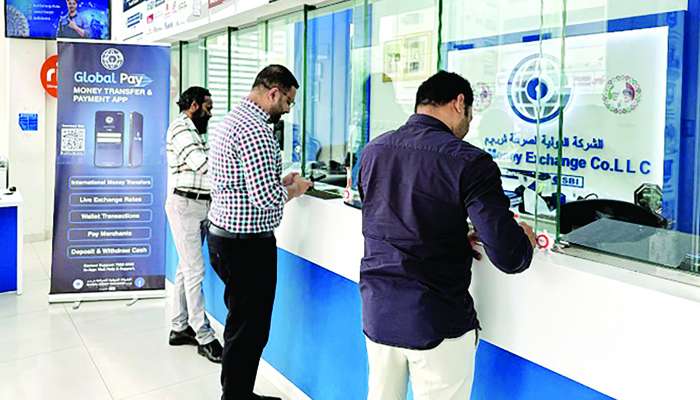
Exchange houses in Muscat are responding to the downward trend by offering over Rs234 for one Omani Rial, reflecting the increased value of the Rial and other currencies relative to the Indian Rupee. This isn’t an isolated incident; the Rupee has depreciated by over 4.7% throughout 2025, outstripping the depreciation seen in other East Asian currencies.
Understanding the Pressures on the INR
Financial expert R. Madhusoodanan, based in Muscat, attributes the Rupee’s struggles primarily to substantial foreign outflows and ongoing global trade uncertainties. These outflows represent investments leaving India, increasing demand for US Dollars and consequently driving down the Rupee’s value. The uncertain global trade environment contributes to investor caution, further exacerbating the issue.
Additionally, Madhusoodanan points to several domestic and international factors amplifying the pressure. These include increased dollar demand from Indian corporates, a shift of investments from cryptocurrency to the US Dollar as a perceived safe haven, and surprisingly, the robust 8.2% GDP growth in the second quarter failing to provide a positive boost to the forex market. The recent decision by the Bank of Japan (BOJ) to hike policy rates has also played a role; this action typically strengthens the Yen and, by extension, the US Dollar.
Winners and Losers of a Weaker Rupee
The impact of a depreciating Indian Rupee isn’t uniform. While some benefit, others face increased financial strain. One group celebrating the current situation is Non-Resident Indians (NRIs) in Oman. A weaker Rupee translates to a higher value for their remittances when converted back to Indian Rupees, effectively increasing their purchasing power.
Many blue-collar workers in Oman are also finding relief. They have the opportunity to settle debts and financial obligations in India more quickly and affordably than before. This is a significant benefit for those supporting families back home or managing loans in their native country.
Challenges for Importers and Businesses
Conversely, importers in India are facing increased costs as goods priced in US Dollars become more expensive. This can lead to inflationary pressures within the Indian economy. Corporates with foreign exchange exposure, specifically those holding USD-denominated loans, are also concerned. Repaying these loans now requires a greater number of Rupees, impacting their profitability.
The increased cost of imports extends to crucial commodities like crude oil, a significant import for India. Furthermore, analysis reveals a surprising jump in both gold and silver imports, often seen as a safe-haven asset during times of economic uncertainty. This increased demand for precious metals adds another layer of strain on India’s current account deficit (CAD).
Impact on India’s Trade and Current Account Deficit
The depreciation of the Indian Rupee presents a mixed bag for India’s trade balance. Exporters generally benefit from a weaker currency, as their products become more competitive in international markets. However, the beneficial impact of this is being countered by retaliatory tariffs imposed by the US administration, which are negatively affecting Indian exports.
Significant concerns are rising about the potential worsening of India’s current account deficit. The combined effects of expensive crude oil imports, increased gold and silver purchases, and dampened export growth due to tariffs are creating a challenging economic outlook. The CAD is a key indicator of a country’s economic health, and a widening deficit can lead to further pressure on the Rupee.
Future Outlook & RBI Intervention
The prevailing sentiment suggests the Indian Rupee will likely remain weak against the US Dollar in the near future. The unresolved issues in trade negotiations, coupled with ongoing U.S. tariffs on Indian exports and continued foreign investment outflows, are major headwinds. However, there are some positive factors to consider.
A slight drop in the dollar index (DXY) and a potential decrease in crude oil prices could offer some relief. The Reserve Bank of India (RBI), with its comfortable foreign exchange reserves of $688 billion, has the capacity to intervene in the forex market, although the extent of such interventions remains limited. Any substantial intervention would deplete these reserves.
The Monetary Policy Committee (MPC) is scheduled to meet on December 3rd and 5th, 2025, with the outcome to be announced on Friday, December 5th. This meeting is closely watched, as the MPC’s policy decisions could significantly influence the Rupee’s trajectory. According to R. Madhusoodanan, the MPC’s announcement will likely offer a clearer indication of the Rupee’s future movement. Monitoring the broader economic indicators and global market trends will be crucial in understanding the evolving situation of the Indian Rupee and its impact on Oman and the wider world.