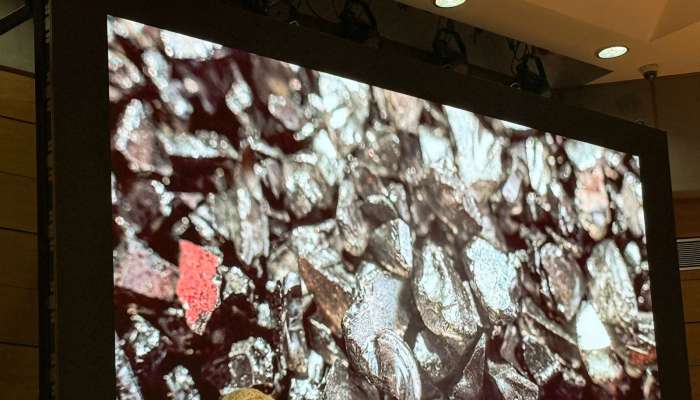

India is poised to become a significant player in the global rare earth magnet landscape, aiming for self-reliance in the production of these critical components within the next three to four years. This ambitious goal is underpinned by a newly approved Rs 7,280 crore scheme designed to bolster domestic manufacturing of rare earth permanent magnets (REPM). The move signals a strategic shift towards reducing import dependence and strengthening India’s position in key industries reliant on these powerful magnets.
Boosting Domestic REPM Production: A Game Changer for India
The Union Cabinet, under the leadership of Minister Ashwini Vaishnaw, recently greenlit the scheme to promote the manufacturing of sintered rare earth permanent magnets (REPM). This initiative isn’t just about producing magnets; it’s about creating a fully integrated ecosystem. The plan encompasses the entire value chain, from converting rare earth oxides into metals, to crafting those metals into alloys, and finally, to producing finished REPM products.
This comprehensive approach is crucial. Currently, India heavily relies on imports to meet its demand for these vital materials, primarily from countries like Japan, China, and Australia. The new scheme aims to drastically alter this dynamic, potentially reducing import dependence to near zero.
Why are Rare Earth Magnets so Important?
Rare earth permanent magnets (REPM) are not just “strong magnets.” They are the strongest type of permanent magnet available, possessing unique magnetic properties that make them indispensable in a wide range of modern technologies. Their applications are diverse and rapidly expanding, including:
- Electric Vehicles (EVs): Essential for high-efficiency motors.
- Renewable Energy: Used in wind turbine generators.
- Electronics: Found in hard disk drives, speakers, and various sensors.
- Aerospace: Critical for aircraft engines and navigation systems.
- Defence: Employed in missile guidance systems and other advanced weaponry.
As the world transitions towards cleaner energy and increased electrification, the demand for REPMs is projected to surge. India anticipates its own consumption to double between 2025 and 2030, making domestic production a national priority.
The Scheme Details: Incentives and Capacity Building
The Rs 7,280 crore scheme is structured to provide both financial incentives and facilitate the necessary infrastructure for establishing a robust REPM manufacturing base. It comprises two key components:
- Sales-Linked Incentives: A substantial Rs 6,450 crore will be distributed as incentives based on the volume of REPM sales over a five-year period.
- Capital Subsidy: Rs 750 crore is allocated as a capital subsidy to support the setup of integrated manufacturing facilities with a combined capacity of 6,000 metric tons per annum (MTPA).
The government plans to allocate this production capacity to five beneficiaries through a competitive global bidding process. Each selected company will be granted up to 1,200 MTPA of capacity, fostering a diversified manufacturing landscape. The entire scheme is designed to run for seven years, including a two-year gestation period for facility construction and five years for incentive disbursement.
A Strategic Move Towards Atmanirbhar Bharat & Net Zero
This initiative aligns perfectly with the Indian government’s “Atmanirbhar Bharat” (Self-Reliant India) vision and its commitment to achieving Net Zero emissions by 2070. By securing the supply chain for rare earth magnets, India reduces its vulnerability to global market fluctuations and geopolitical uncertainties.
Furthermore, the development of a domestic REPM industry will generate significant employment opportunities and enhance the nation’s competitiveness in global markets. The government anticipates strong industry participation, drawing parallels with the success of the semiconductor chips manufacturing program. Interestingly, there’s a synergy between the two sectors, with some companies and technologies overlapping.
Leveraging India’s Rare Earth Reserves
India possesses some of the world’s largest reserves of rare earth elements, ranking among the top three globally. However, simply having the raw materials isn’t enough. The key lies in developing the capabilities to process these elements into high-value products like rare earth magnets. This scheme directly addresses that gap, fostering the necessary technological expertise and infrastructure.
The government is also open to collaboration with countries like Australia and Japan, particularly in areas where technology transfer can accelerate the development of the domestic industry. Both government and private companies are encouraged to participate, with interest already expressed by players in the electronics, steel, and automotive sectors.
Rapid Implementation and Future Outlook
Minister Vaishnaw emphasized the government’s commitment to swift execution, promising that guidelines for the REPM program will be released promptly. He also highlighted the strategic importance of the sector, stating that a robust domestic REPM industry is essential for sustaining manufacturing activities across numerous industries.
The locations for the five proposed manufacturing units will be determined by the participating companies themselves. This decentralized approach allows for optimal resource allocation and regional development. The successful implementation of this scheme will not only secure India’s future in critical technologies but also position it as a potential global hub for rare earth magnet production, contributing significantly to a more resilient and sustainable industrial base – a cornerstone of the “Viksit Bharat @2047” (Developed India @2047) vision.
This initiative represents a pivotal moment for India’s manufacturing sector. Stay informed about the progress of this scheme and its impact on the future of technology and sustainability in India by following updates from the Ministry of Heavy Industries and related industry publications.