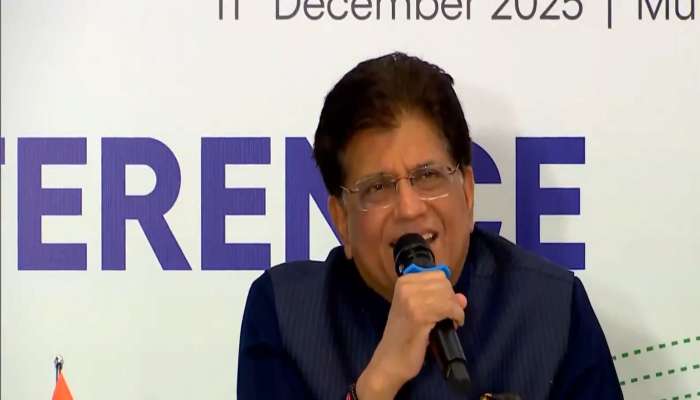

Negotiations between India and the United States for a significant trade deal are showing promising momentum, according to recent statements from India’s Commerce and Industry Minister, Piyush Goyal. The discussions, currently underway in Mumbai, are focused on achieving a mutually beneficial agreement, with both nations carefully considering various aspects to ensure a sustainable and equitable partnership. This positive outlook signals a potential strengthening of India-US trade relations, a development keenly watched by global markets.
Progressing Towards a Bilateral Trade Agreement
Minister Goyal addressed the media in Mumbai on Thursday, highlighting the substantive progress made during several rounds of negotiations. While acknowledging that five formal negotiation rounds have already taken place, he clarified that the current visit by the new Deputy United States Trade Representative (USTR), Jamieson Greer, is primarily an introductory one.
“We’re getting to know each other…We had very good substantive discussions,” Goyal stated, emphasizing the importance of building rapport and understanding each other’s positions. This visit marks Greer’s first to India since assuming office three months ago, providing a crucial opportunity for direct engagement and a deeper dive into the complexities of the potential agreement.
The focus remains on a comprehensive deal that addresses key areas of concern for both countries. These areas likely include market access for agricultural products, intellectual property rights, and the reduction of tariff barriers. The minister reiterated India’s commitment to a constructive dialogue, aiming for a resolution that fosters long-term economic growth for both nations.
The Importance of Mutual Benefit and Avoiding Deadlines
A central theme throughout Goyal’s statements was the necessity of a mutually beneficial outcome. He firmly stated that a deal will only be finalized when both India and the United States perceive a clear advantage. This cautious approach underscores India’s commitment to protecting its domestic industries and ensuring fair trade practices.
He also cautioned against setting arbitrary deadlines for the negotiations. “We should never negotiate with deadlines because you tend to make mistakes then,” Goyal explained. This sentiment reflects a desire to avoid rushed decisions that could potentially compromise the long-term interests of either country. A deliberate and thorough process, he believes, is essential for crafting a robust and sustainable trade agreement.
USTR’s Positive Remarks and India’s Response
Responding to reports of positive comments from USTR Jamieson Greer regarding the potential for a “best ever trade deal” from India, Goyal welcomed the sentiment. However, he playfully suggested that such enthusiasm should translate into concrete action. “The happiness of the United States Trade Representative (USTR) is very much welcome. I do believe that if they are very happy, they should be signing on the dotted line,” he remarked.
This response, while lighthearted, subtly reinforces India’s position that a deal requires more than just positive rhetoric; it demands tangible commitments and a willingness to address India’s concerns. It also highlights India’s confidence in the value it brings to the negotiating table.
Diversified Angles and Connecting the Dots
Prior to his Mumbai address, Goyal expressed optimism on Wednesday during the Rajasthani Pravasi Divas, noting that discussions were “progressing well.” He described the negotiations as a complex process involving “many diversified angles” and the need to “connect many dots.”
This analogy illustrates the intricate nature of the bilateral trade negotiations, encompassing a wide range of issues and requiring careful consideration of their interconnectedness. The minister emphasized that the recent exchanges have facilitated a better understanding of each other’s priorities and concerns, paving the way for more focused and productive discussions.
Furthermore, Goyal highlighted the importance of a steady and consistent approach to the negotiations. While a specific timeline remains elusive, the commitment to continued dialogue suggests a strong desire to reach a mutually agreeable outcome. The focus on trade policy is crucial for both economies.
Looking Ahead: A Promising Future for India-US Economic Ties
The ongoing negotiations between India and the United States represent a significant opportunity to strengthen economic ties and foster greater collaboration. While challenges undoubtedly remain, the positive signals emanating from both sides suggest a growing convergence of interests.
The emphasis on mutual benefit, the avoidance of artificial deadlines, and the commitment to a thorough and constructive dialogue are all encouraging signs. A successful trade agreement would not only boost bilateral trade but also send a positive message to the global community about the importance of open and fair trade practices.
Ultimately, the future of India-US trade relations hinges on the ability of both nations to navigate complex issues and forge a partnership that is both economically advantageous and strategically aligned. Continued engagement and a willingness to compromise will be key to unlocking the full potential of this vital relationship.