
India and the United Arab Emirates (UAE) are forging a path into the future of digital diplomacy, recently agreeing to explore the establishment of digital embassies. This groundbreaking initiative, announced following UAE President Sheikh Mohamed bin Zayed Al Nahyan’s visit to New Delhi, signifies a deepening strategic partnership and a proactive approach to data security in an increasingly interconnected world. The concept represents a significant shift in how nations protect their sensitive information and maintain sovereignty in the digital realm.
Understanding the Concept of Digital Embassies
The idea of a digital embassy, also referred to as a data embassy, is relatively new and gaining traction globally. It essentially involves creating a secure, sovereign space for a nation’s critical data hosted on servers located in another country. This isn’t simply about storing data elsewhere; it’s about extending a country’s cloud infrastructure beyond its physical borders while maintaining control and legal protection.
According to the Data Security Council of India, these embassies aim to ensure digital continuity for nation-states. They offer a shield against both cyberattacks and physical threats, crucially operating with immunity from the host country’s local laws. This immunity is the core of the concept, ensuring the data remains under the jurisdiction of the originating nation.
Why Now? The Geopolitical Context
The timing of this agreement is no accident. Current geopolitical developments have highlighted the vulnerability of data and the importance of safeguarding national interests in cyberspace. Increased cyber warfare threats and concerns about data privacy are driving nations to seek innovative solutions. Establishing digital embassies is seen as a proactive measure to mitigate these risks and strengthen diplomatic ties through a shared commitment to data security.
India-UAE Collaboration: A Strategic Partnership
The UAE’s interest in collaborating with India on this initiative underscores the strength of the bilateral relationship. Sheikh Mohamed’s visit – his third as President and fifth in the last decade – demonstrates the frequency and intensity of high-level engagement between New Delhi and Abu Dhabi. This isn’t just about technology; it’s about building trust and establishing a framework for future cooperation in the digital sphere.
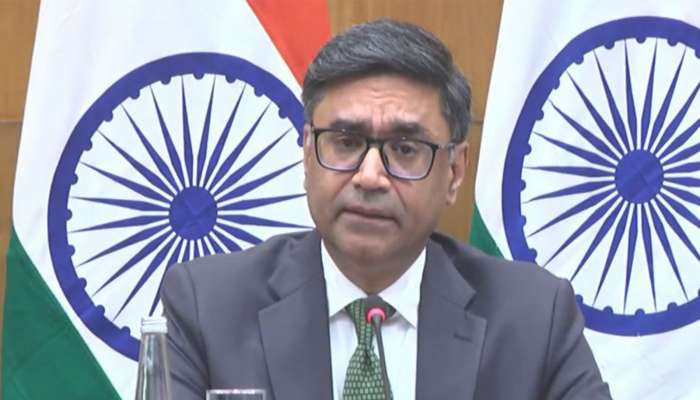
Foreign Secretary Vikram Misri emphasized that while the concept is novel, both nations are committed to working through the complexities. A key challenge will be establishing a robust regulatory framework that addresses data sovereignty concerns and ensures the secure operation of these digital embassies. He noted that only a handful of countries have successfully implemented similar models, making this a pioneering effort.
Expanding Cooperation Beyond Digital Embassies
The agreement extends beyond just digital embassies. Both countries also pledged to strengthen collaboration in science, technology, and innovation, with a particular focus on artificial intelligence (AI) and emerging technologies. This includes plans to establish a supercomputing cluster in India and explore the potential for setting up data centres within the country.
Furthermore, the UAE President expressed support for India’s upcoming AI Impact Summit, scheduled for February 2026, signaling a shared vision for leveraging AI for economic and social development. This broader collaboration highlights a commitment to fostering innovation and technological advancement across multiple sectors. Data centres will be crucial infrastructure for supporting these initiatives.
The Role of AI and Emerging Technologies
The focus on AI and emerging technologies is particularly significant. These technologies are rapidly transforming the global landscape, and both India and the UAE recognize the need to invest in research and development to remain competitive. Collaboration in this area will not only drive economic growth but also enhance national security capabilities. The development of secure and reliable AI systems is paramount, and the establishment of data embassies can play a vital role in protecting the sensitive data used to train and operate these systems.
Navigating the Challenges of Data Sovereignty
The success of this initiative hinges on navigating the complex issue of data sovereignty. While the concept of a digital embassy aims to extend a nation’s jurisdiction over its data, it’s crucial to respect the laws and regulations of the host country. Finding a balance between protecting national interests and fostering international cooperation will be essential.
Misri acknowledged this challenge, stating that both countries will need to “work through these issues” to establish a mutually acceptable framework. This will likely involve negotiating agreements that clearly define the scope of immunity and establish mechanisms for resolving disputes. Data security will be at the forefront of these discussions.
In conclusion, the agreement between India and the UAE to explore digital embassies represents a bold step towards securing national data and strengthening diplomatic ties in the digital age. While challenges remain, the commitment to collaboration and innovation suggests a promising future for this groundbreaking initiative. This partnership sets a precedent for other nations seeking to navigate the complexities of data sovereignty and build a more secure and resilient digital world. Further updates on the regulatory framework and implementation details will be closely watched by the international community.